A groper's condemnation with 自業自得
Idiom Explanation: Reaping what you sow with 自業自得
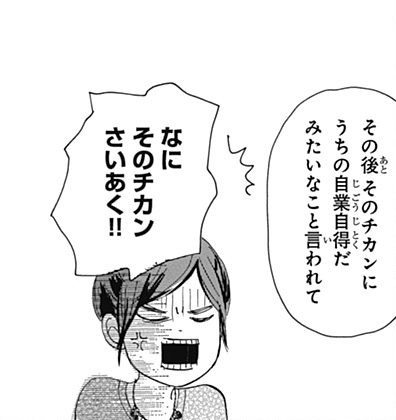
Rinko tells Saijou how she first met Takeo through her encounter with a groper on the train. It was Takeo who came to her rescue.
- 凛子:
- 「その後 そのチカンにうちの自業自得だみたいなこと言われて」
- “After that, the groper essentially told me it was my own fault.”
- Literal: “After that, the groper said something like it was my self-work, self-gain.”
- 西城:
- 「なに そのチカン さいあく!!」
- “What?! That groper is the worst!”
Key Points
1自業自得だ = “it’s your own fault”
- In this context, 自業自得 means “you brought this on yourself” or “it’s what you deserve”.
- The groper is cruelly blaming Rinko, saying she deserved the harassment.
- Though 自業自得 is neutral (can be used for negative or positive consequences), it’s most often used for negative outcomes.
2〜みたいなこと言われて = “was told something like…”
- みたいな here means “something like” or “essentially”; Rinko is paraphrasing what the groper said.
- 言われる is the receptive form of 言う (“to say”), meaning “to be told” or “to have something said to oneself”.
3Casual te-form ending: 〜言われて
- The sentence ends with the te-form 言われて, leaving the thought incomplete.
- This creates a trailing effect, implying “…and then (something else happened)” or inviting the listener to imagine the situation.
- This is common in conversational storytelling to maintain narrative flow.
Vocabulary
うち (I)
うち can mean “I” or “me”, especially in Kansai speech and in casual speech among women. It also has other meanings, including “home” and “inside”.
言う (To say)
言う means to say or tell. It can also mean to call something by a particular name.
See Also
- Idiom: Reaping what you sow with 自業自得
- Grammar: Likening things with 〜みたい
- Grammar: Receptive verbs with 〜れる
- Grammar: Connecting actions with 〜て・〜で
- Kanji: Work and vocation with 業
俺物語!! © its respective creators. It is used here for educational commentary.