Far from being helpful with 〜どころか
Grammar Explanation: Completely opposite to with 〜どころか
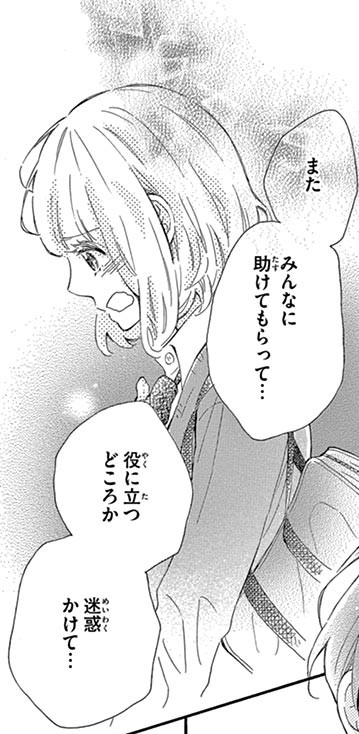
Fujiwara catches Hitsuji writing inspirational messages with his signature on wristbands. Hitsuji explains that female classmates requested she get Fujiwara to sign them, but she couldn’t find the right time to ask him, so she took on the task herself. Fujiwara vetoes the idea, but when he sees Hitsuji apologize to their classmates, admitting that she wrote them herself, Fujiwara tells the classmates to pretend as if he wrote them. After the wristbands are handed out, Hitsuji thanks Fujiwara and the council.
- ヒツジ:
- 「また みんなに助けてもらって…」
- “Again, everyone came to my rescue...”
- 「役に立つどころか迷惑かけて…」
- “Far from being helpful, I caused you trouble...”
- Literal: “Far from being useful, I caused trouble...”
Key Points
1役に立つどころか rejects the expected positive
- Hitsuji expected or hoped to be useful.
- 〜どころか flips that idea: far from helping, she caused trouble.
2みんなに marks who did the helping
- With 〜てもらう, the helper is commonly marked by に.
- Here, みんなに助けてもらって means “having everyone help me” or more naturally “everyone helped me”.
3助けてもらって presents Hitsuji as receiving help
- 助ける is the action: to help or rescue.
- もらう makes Hitsuji the person who received that help.
4The sentence trails off because she is apologizing
- The 〜て ending connects her first thought to the apology that follows.
- She does not need to say ありがとう directly; the grammar already frames the action as something she received from others.
5The actual result follows after the pattern
- 迷惑かけて gives the real negative outcome.
Vocabulary
迷惑 (Trouble)
迷惑 means trouble, annoyance, or inconvenience caused to someone else.
See Also
- Grammar: Completely opposite to with 〜どころか
- Grammar: Having someone do something with 〜てもらう
- Grammar: Connecting actions with 〜て・〜で
藤原くんはだいたい正しい © its respective creators. It is used here for educational commentary.