Knowing her, it's probably nothing with 〜のことだから
Grammar Explanation: Referring to a person with 〜のこと
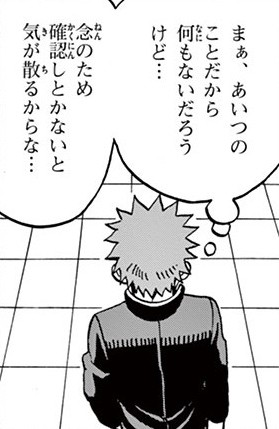
Kenji is staying after school for a study session with Hibino, the girl he likes, but his little sister Kyoko has seemed off all day. On the way, he tells Hibino to go ahead while he stops by the restroom.
- ケンジ:
- 「まぁ、あいつのことだから何もないだろうけど…」
- “Well, knowing her, it's probably nothing, but...”
- 「念のため確認しとかないと、気が散るからな…」
- “I'd better check just in case, or I'll be too distracted...”
Key Points
- Person + のことだから bases a guess on what that person is like. Kenji knows his sister, so he guesses it’s nothing.
- あいつ is a casual “that one” for someone the speaker knows well.
- だろう marks a guess, and けど sets up a contrast: “it’s probably nothing, but…”
- しとく is a casual しておく, “do in advance”. 〜ないと is short for ないといけない, “have to”.
- 念のため means “just in case”, and 気が散る means “get distracted”. からな gives the reason in a self-talk tone.
Vocabulary
あいつ (That guy)
あいつ refers to a person who is not part of the conversation, or sometimes to a thing. It is casual and can sound rough or familiar.
こと (Thing)
こと is an abstract thing, matter, or fact, as opposed to a physical object. It also turns a verb phrase into a noun, as in 見たことがある. It is also written 事.
何 (What)
何 asks what something is. It is read なに, or なん before certain sounds.
ない (Not)
ない means something does not exist or someone does not have it. After a verb, it makes the verb negative. It is also written 無い.
する (To do)
する is to do or perform something. It also turns many nouns into verbs, as in 勉強する.
おく (To do in advance)
おく after a て-form verb means doing something now so it’s done or ready for later. In casual speech, 〜ておく contracts to 〜とく. On its own, it is 置く, “to put”.
See Also
- Grammar: Referring to a person with 〜のこと
- Grammar: Presuming with 〜だろう and 〜でしょう
- Grammar: Doing in advance with 〜ておく