Quoting a reward with って
Grammar Explanation: Quoting and reporting with と and って
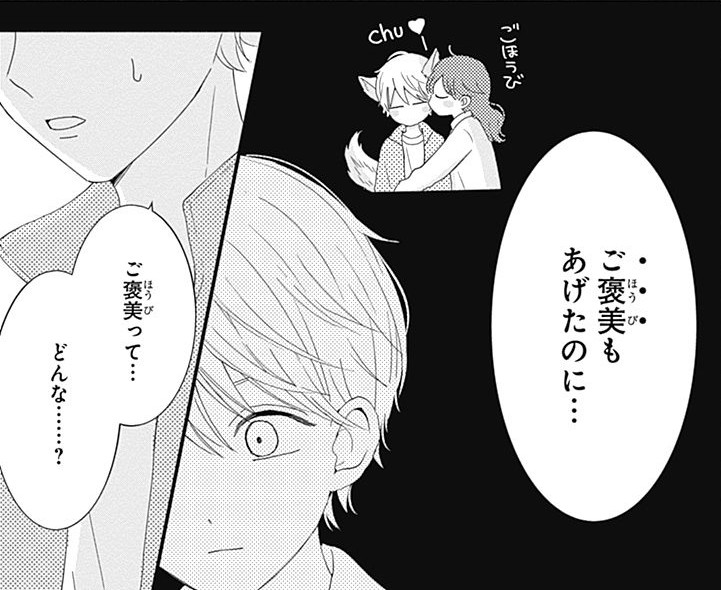
Ayumu tries to throw a basketball into the basket, only to have it bounce back and hit her in the face. After waking in the infirmary, she learns from her friend that Luna carried her there. When Luna denies it, Ayumu says she would have been happy if he did.
- 歩:
- 「ご褒美もあげたのに…」
- “I would have even given you a reward...”
- 月:
- 「ご褒美って… どんな……?」
- “A reward... What kind?”
- Literal: “Reward, you say...? What kind...?”
Key Points
1って quotes the word Luna is reacting to
- Luna repeats ご褒美 with って to mean something like “When you say ‘a reward’…”
- This is conversational って, the casual counterpart of quotative と, used here to pick up Ayumu’s exact word before asking about it.
2あげたのに sets up “I would have given it, though…”
- あげた is “gave” from Ayumu’s point of view, with Luna as the implied receiver.
- のに leaves a disappointed or wistful contrast hanging: if Luna had admitted helping her, she would have given him the reward.
3どんな……? asks “what kind?”
- Luna omits the noun after どんな, so the full idea is どんなご褒美? “What kind of reward?”
Vocabulary
どんな (What kind of)
どんな asks what kind of person or thing something is.
See Also
- Grammar: Quoting and reporting with と and って
- Future entry: Even though with 〜のに
- Future entry: Past tense with 〜た・〜だ
- Grammar: Marking the topic with は and も
月のお気に召すまま © its respective creators. It is used here for educational commentary.