You like me, don't you with 〜のこと好き
Grammar Explanation: Referring to a person with 〜のこと
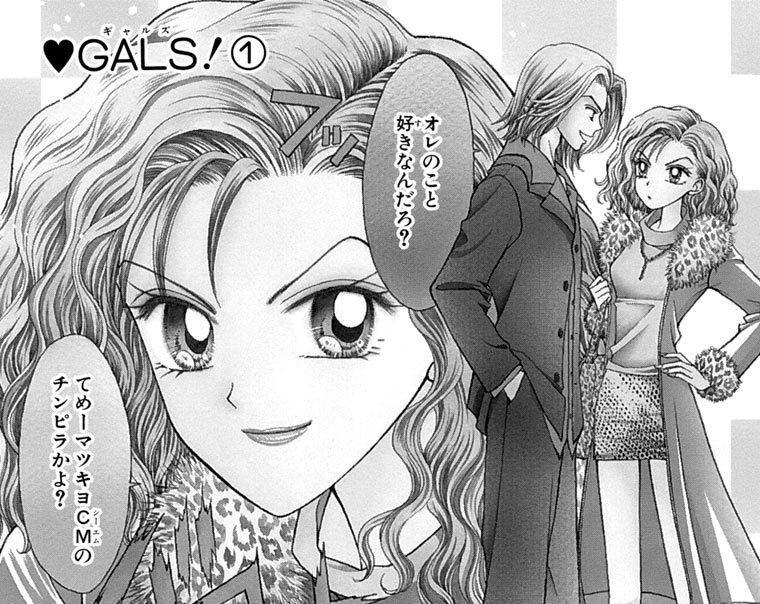
Ran is walking through town. A smug young man in a sharp suit has fallen into step beside her.
- 男:
- 「オレのこと好きなんだろ?」
- “You like me, don't you?”
- 蘭:
- 「てめーマツキヨCMのチンピラかよ?」
- “What are you, some punk out of a Matsukiyo commercial?”
Key Points
1オレのこと好き
- のこと after オレ makes him the person the liking is aimed at. オレのこと好き means “you like me”.
- The full form is オレのことが好き. In casual speech, the が often drops.
- With 好き, のこと is optional. オレが好き means the same thing, but the のこと version is common in conversation.
2なんだろ presses for agreement
- なんだろ is a casual なのだろう. な links the na-adjective 好き to んだ, and だろ with a rising tone asks the listener to confirm: “You like me, don’t you?”
- The question assumes the answer, which is what makes it so presumptuous.
3Ran’s rough reply
- てめー is a hostile “you”. かよ at the end of a question adds scorn: “What are you, some…?”
- マツキヨ is short for Matsumoto Kiyoshi, a drugstore chain, and CM is a TV commercial. チンピラ is a small-time punk.
Vocabulary
てめえ (You (rough))
てめえ is a rough, hostile word for “you”, used in anger or to pick a fight. It is often written てめー.
オレ (I)
オレ is a katakana spelling of おれ, a casual, masculine word for “I”. It is also written 俺.
こと (Thing)
こと is an abstract thing, matter, or fact, as opposed to a physical object. It also turns a verb phrase into a noun, as in 見たことがある. It is also written 事.
好き (Liked)
好き describes something you like or someone you love.
チンピラ (Punk)
チンピラ is a small-time thug or a young hoodlum who acts tough.
See Also
- Grammar: Referring to a person with 〜のこと
- Grammar: Presuming with 〜だろう and 〜でしょう
GALS! © its respective creators. It is used here for educational commentary.