After doing with 〜てから
Grammar: Time and Sequence » 〜てから
〜てから places one action after another and stresses that the first must finish before the second begins. It often appears in instructions, habits, and timelines.
Usage Notes
〜てから is used when the order matters and the first action must finish before the second starts.
If the order is a loose sequence, plain て may be enough. 〜てから makes the completion point clearer.
Examples
Congratulations after touching with 〜てから
Grammar Explanation: After doing with 〜てから

Chino doesn’t have much luck with animals other than her rabbit Tippy. However, she’s able to successfully touch the always-still rabbit at Chiya’s family’s café.
- ココア:
- 「やったよチノちゃん!おめでとう!!」
- “At last, Chino-chan! Congrats!!”
- リゼ:
- 「ちゃんと触ってから祝ってやれよ」
- “After she properly touches the rabbit, congratulate her.”
Leaving the zoo quickly after entering with 〜てから
Grammar Explanation: After doing with 〜てから
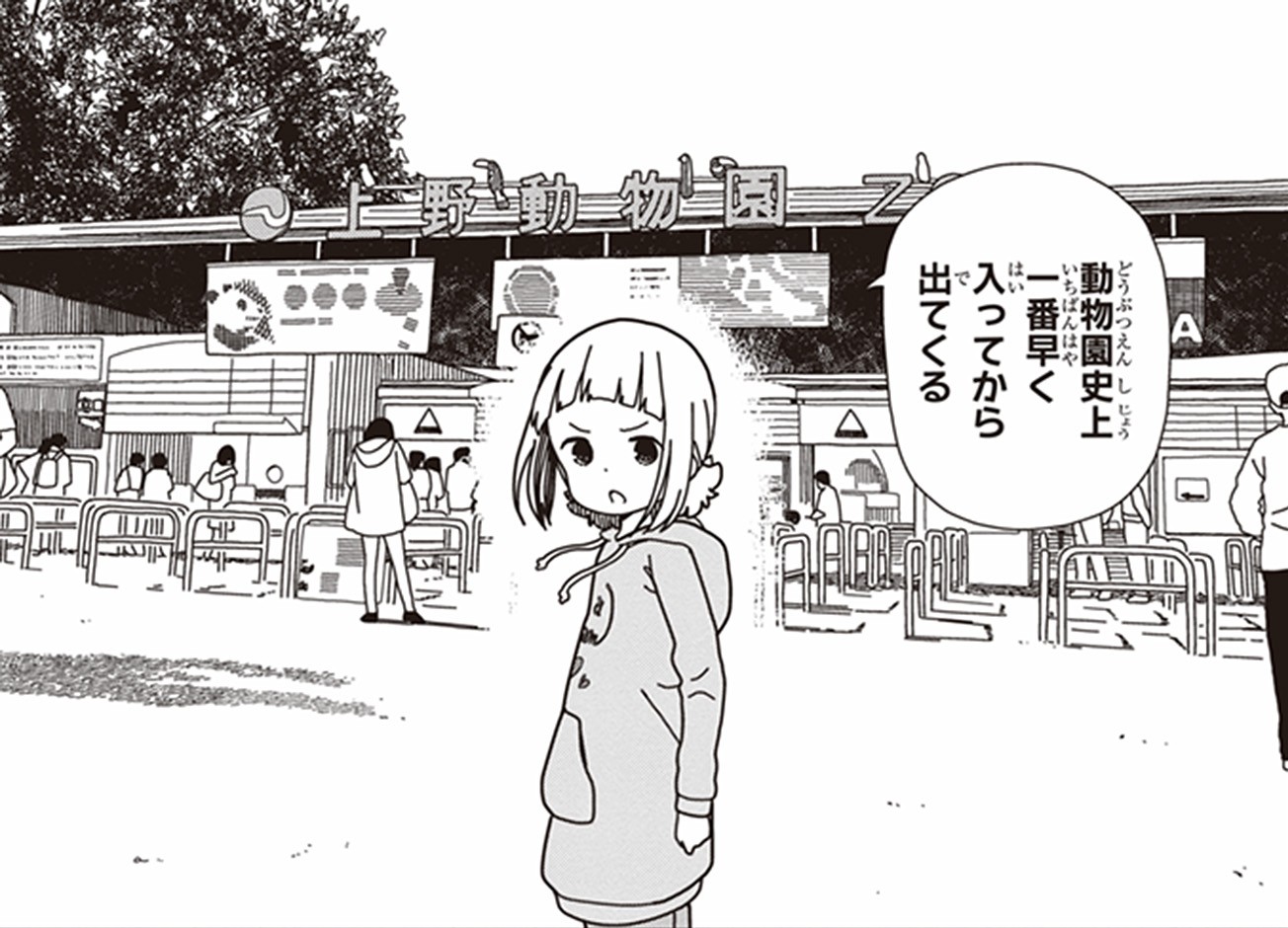
While trying to find something to do, Sacchan and her friends pass by the zoo, which is free for children to enter. Yui asks if Sacchan plans to enter the zoo.
- さっちゃん:
- 「動物園史上一番早く入ってから出てくる」
- “The fastest in zoo history to enter and then leave.”