After a complete clause, けど means “but”. 高いけど、おいしい means “it’s expensive, but it’s good”. It does the same job as が, and it’s the form you’ll hear most in conversation. けれど and けれども are longer, more careful versions of the same word.
Not every けど is a contrast. Speakers use it to set up a question or a request, and they often stop right after it and let the listener fill in the rest.
Usage Notes
けど follows a complete clause in plain or polite form. Verbs and い-adjectives take it directly. Nouns and な-adjectives need だ or です first, as in 雨だけど and 静かだけど. Unlike のに, it never takes な: 静かなけど is wrong. 静かなんだけど is fine, because that な comes before the explanatory ん.
けれども, けれど, and けど sound more conversational in that order. けど is the everyday form, and ですけど and ますけど are normal in polite conversation. が does the same job in writing and formal speech. Contrasting with 〜が〜 compares the two.
Compared with のに, けど is neutral. It states a contrast without surprise or complaint, and the clause after it can be anything, including a suggestion, a command, or a question.
Many lines put ん before けど, as in 頼みたいことがあるんだけど. The ん gives background, and when the sentence stops there, けど hands the conversation to the listener.
けど often picks up a sentence-ending particle, as in けどね, けどさ, and けどな. The particle adds its own tone, and けど keeps its meaning. In Kansai speech, やけど replaces だけど.
Formation
View formation details
Verb + けど
電話したけど、出なかった
"I called, but nobody picked up."
Verb (polite) + けど
日曜も開いてますけど、混みますよ
"We're open Sundays too, but it gets crowded."
い-adjective + けど
この部屋は狭いけど、明るい
"This room is small, but it's bright."
Noun + だけど・ですけど
日曜だけど、仕事に行く
"It's Sunday, but I'm going to work."
Note: Bare 日曜けど is wrong. The polite form is 日曜ですけど.
な-adjective + だけど・ですけど
便利だけど、高い
"It's convenient, but it's expensive."
Note: Not 便利なけど.
〜んだけど before a question or request
聞きたいことがあるんだけど、今いい?
"I want to ask you something. Is now OK?"
Ending a sentence with けど
ちょっと手伝ってほしいんだけど…
"I could use a little help..."
Note: The listener fills in the rest, such as "can you?"
だけど at the start of a sentence
疲れた。だけど、楽しかった
"I'm tired. But it was fun."
Note: けど and けれども can also open a sentence.
Joining Two Contrasting Clauses
The clause before けど could end the sentence on its own. The clause after it pulls the other way. Like が, けど just states the contrast. It doesn’t add surprise or blame the way のに does.
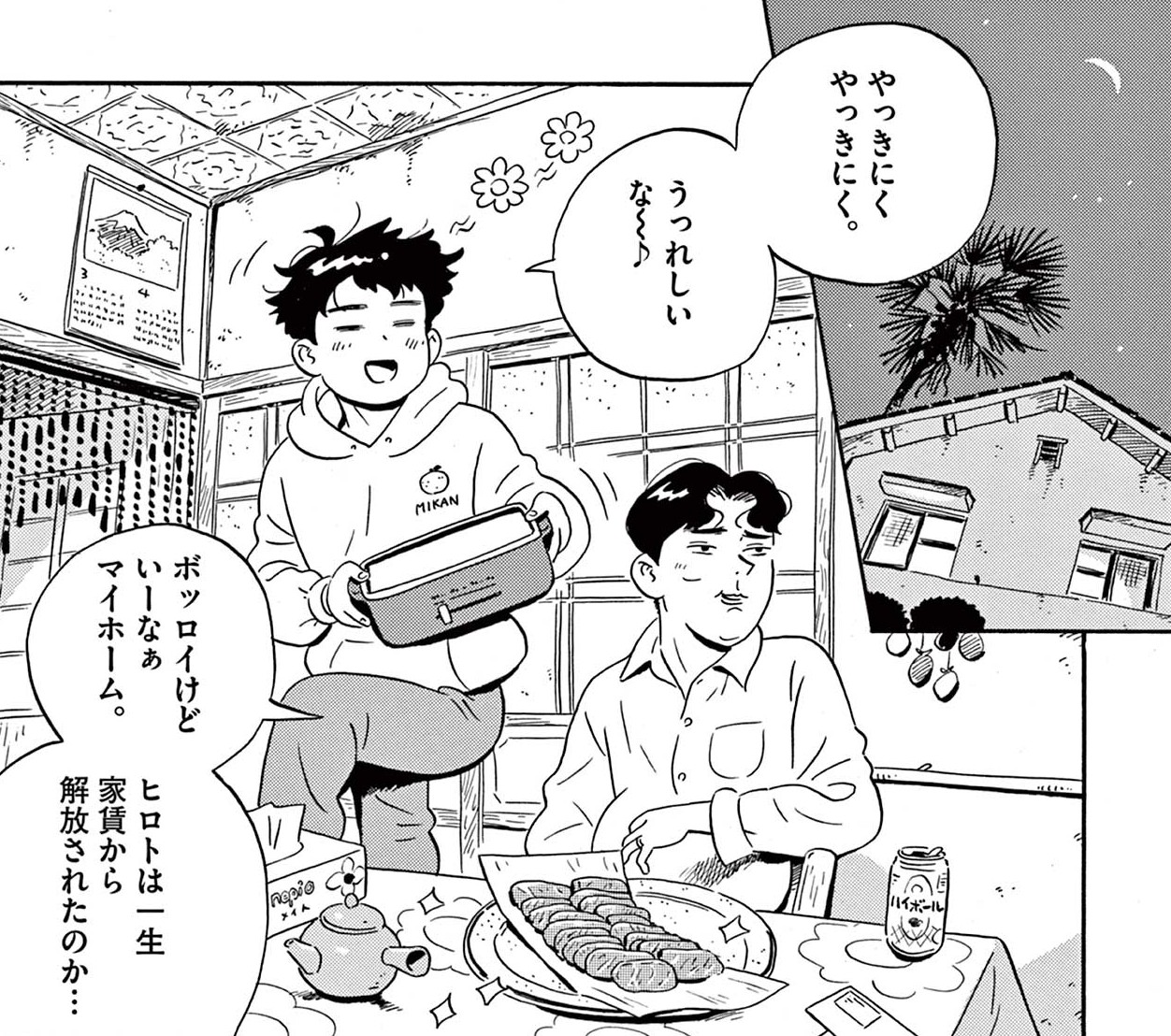
Example 1 of 4: Liberated from a life of paying rent with 解放
Hideki sees the old house Hiroto lives in. ボッロイ is an emphatic ボロい, “beat-up”. The house is run-down, but it’s Hiroto’s own, and いーなぁマイホーム, “must be nice, a home of your own”, is the half Hideki cares about. An い-adjective takes けど directly.
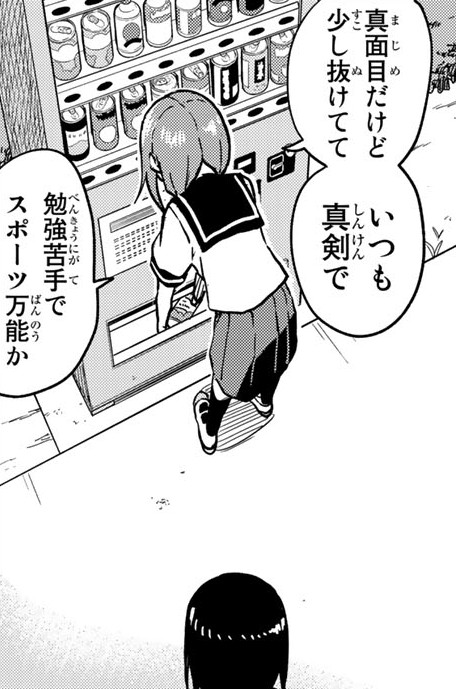
Urushi sums up what Rin has told her about Ayumu in middle school. 真面目だけど少し抜けてて means “serious, but a bit absent-minded”. 真面目 is a な-adjective, so it needs だ before けど. Only this first pair is joined with けど. The rest of the list runs on with て and で, even where the English adds another “but”.
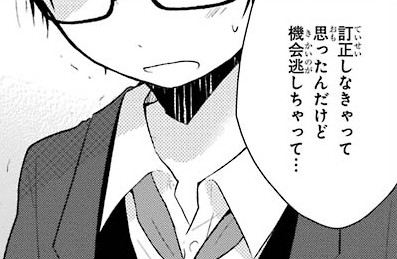
Example 3 of 4: Correcting a case of mistaken identity with 訂正
While Sana is away with her other friends for a moment, Ayumu leaves to use the restroom. Shun takes off his glasses to rub something from his eye, only for Sana to return and mistake him for Ayumu. He doesn’t correct her, but when Sana asks where Shun is, Shun says the restroom, and goes that way himself to wash his eye. In the restroom, Shun finds Ayumu and is about to explain what happened, but stops himself. Ayumu says it’s better not to hold back, and that Shun can say anything to him. Shun finally explains that Sana mistook him for Ayumu.
駿:
「訂正しなきゃって思ったんだけど機会逃しちゃって…」
“I thought I should correct it, but I missed the chance…”
Shun tells Ayumu that Sana mistook him for Ayumu. 訂正しなきゃって思った, “I thought I should correct her”, is what he meant to do. After けど comes what actually happened: he missed his chance. 〜と思ったんだけど is a common way to start an admission like this.
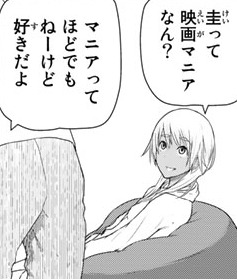
Example 4 of 4: Not quite a movie buff with ってほどでもない
Akane asks her cousin Kei whether he’s a movie buff. The clause before けど, マニアってほどでもねー, turns down the label. The clause after it, 好きだよ, pulls the other way: he does like movies.
Granting a Point First
Often the first clause admits something, and the second says what the speaker actually cares about. 〜のはいいけど, “Ⓐ is fine, but”, and 〜のはわかるけど, “I get Ⓐ, but”, are set ways to grant a point before pushing back.
Syaro has to stay the night at Chino’s house and has borrowed a pair of Chino’s pajamas. 借りたのはいいけど grants that borrowing them was fine. Her real point comes after けど: the pajamas are too cute for her. Her next line, いつもはジャージなのに, uses のに instead, and that one does complain.
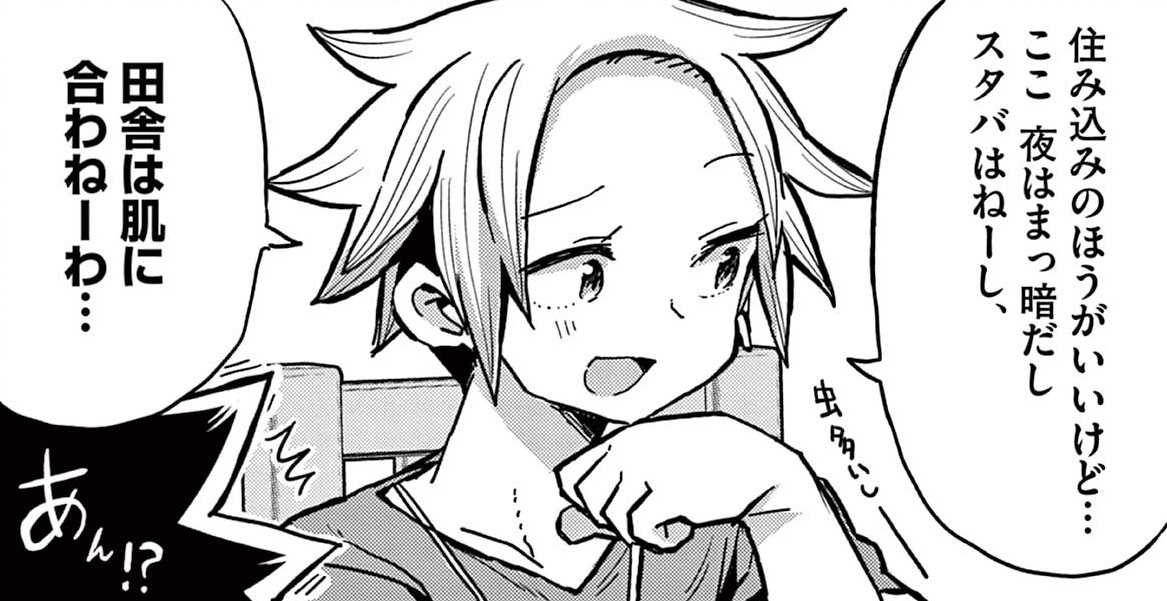
Example 2 of 3: Unsuitable conditions for live-in work with 住み込み
Sami answers a phone call from her uncle. He thinks his friend’s son Nishi would be a good assistant for Sami’s father. Since her father’s busy trying to meet a deadline, Sami accepts on her father’s behalf. When the assistant arrives, he’s completely unwilling to adjust to Sami’s father’s workstyle, then he stays overnight in their bed and wears Sami’s father’s clothes. After all this, Sami’s father is still willing to take Nishi on, but not as a live-in assistant.
西:
「住み込みのほうがいいけど… ここ 夜はまっ暗だしスタバはねーし、(虫多いしーーー)」
“A live-in arrangement would be better, but... it gets pitch dark here at night, there's no Starbucks, and there are tons of bugs...”
Sami’s father will take Nishi on as an assistant, but not as a live-in one. Nishi grants that living in would suit him better. After けど comes everything wrong with the place: it’s pitch dark at night, there’s no Starbucks, and there are bugs everywhere. ねー is a rough ない.
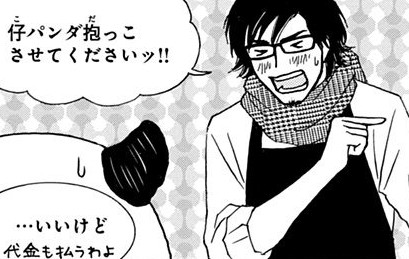
Example 3 of 3: Please let me hold the baby pandas with 〜させてください
Rin Rin loves pandas such that when he makes a delivery to Panda’s home, he can’t resist the cuteness of the younger siblings. Panda Mama takes out her purse to cover the cost of the delivery, but Rin Rin refuses to accept payment.
Rin Rin won’t take payment for his delivery and begs to hold the baby pandas instead. Panda Mama’s いいけど grants the request. After けど comes what she insists on anyway: she’ll pay the bill too.
Asking, Suggesting, or Telling After けど
Unlike のに, けど freely allows a suggestion, a command, or a question after it. Even though with 〜のに explains のに’s limits and the exceptions to them.
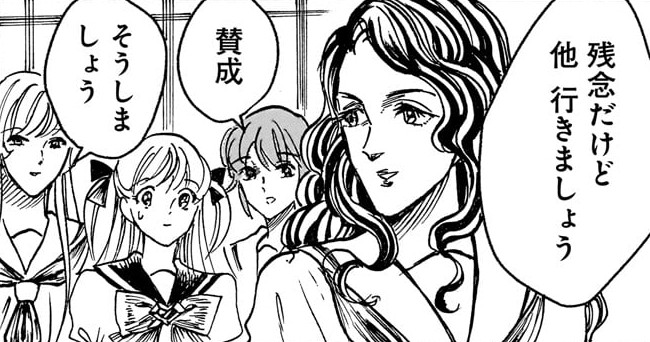
Example 1 of 3: Agreeing to go somewhere else with 賛成
After moving and transferring schools, Lulu has finally made some friends in class. Following some after-school shopping, they stop by the group’s favorite café, only to find it filled to the brim with hoodlums.
Lulu and her friends find their favorite café packed with hoodlums. Kyouko’s 残念だけど admits it’s a shame. The second half, 他行きましょう, “let’s go somewhere else”, is a suggestion. 残念 is a な-adjective, so it takes だ.
Chiya wants to play chess with Chino. 初めてだけど admits she’s never played. Then she checks her guess with a question: it’s like shogi, right? 初めて works as a noun here, so it takes だ before けど.
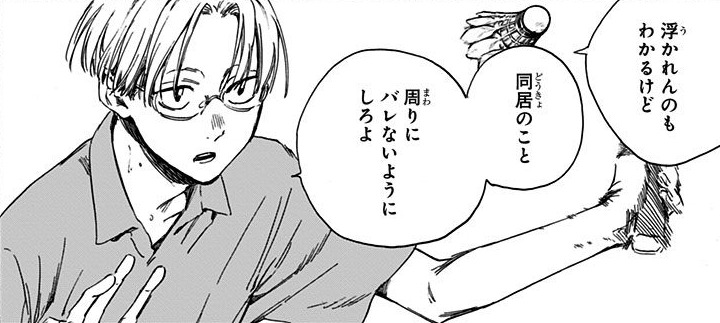
Example 3 of 3: Not letting anyone find out with 〜ないようにしろ
Chinatsu has moved into Taiki’s family’s house. At badminton practice the next day, he’s in high spirits. His friend Kyo is aware of the living arrangement.
匡:
「浮かれんのもわかるけど」
“I get why you're walking on air, but...”
「同居のこと周りにバレないようにしろよ」
“...make sure nobody around here finds out you two live together.”
Taiki is walking on air because Chinatsu has moved into his family’s house. His friend Kyo grants that first. 浮かれんの is a casual 浮かれるの, and 〜のもわかるけど grants a point like the examples above. After けど comes an order: バレないようにしろよ, “make sure nobody finds out”.
Setting Up the Main Point
Sometimes nothing after けど goes against what came before. The first clause gives background, and the second is the point: a question, a request, or the news itself. English often drops “but” here or uses “so”. けど can also just add a second fact, where English uses “and”.
Example 1 of 4: Don't want you to misunderstand with 〜ないでほしい
Takagi’s prank on Nishikata has failed, and she asks whether he dislikes her teasing. 勘違いしないでほしいんだけど, “I don’t want you to get the wrong idea”, prepares him for what she says next. Nothing in her explanation goes against it. けど just leads into the main point.
Example 2 of 4: Might have similar tastes with 〜かもしれない
Cocoa thinks she’s figured out which book Chino is looking for. 今まで気付かなかったけど, “I never noticed before”, leads into her discovery: maybe they have the same taste in books. The second half is a guess with かもしれない, which のに couldn’t introduce.
Example 3 of 4: Expecting the residence to be around here with はず
Cocoa is lost and stops in at a café. Both of her lines contain んだけど. The first stops there and explains why she came in: she meant to rest while asking for directions. The second says the Kafuu house should be nearby, then goes on to the question 知ってる? Neither けど marks a contrast.
Rize explains Chino’s coffee fortune-telling to Cocoa. 頼まれたらやってる, “she does it when people ask”, and よく当たる, “her readings come true a lot”, barely clash. けど simply adds the second fact, so the English uses “and”.
Stopping at けど
A sentence can stop at けど. The speaker gives the background and leaves the rest to the listener. This softens requests and answers, and it can hand the conversation over.
Example 1 of 4: Want to ask a favor with 〜たい+ことがある
Grizzly is deep into his winter hibernation when his phone starts ringing. He answers, knowing only Polar Bear would be calling him during hibernation.
Polar Bear calls Grizzly in the middle of his hibernation. 頼みたいことがあるんだけど, “there’s something I want to ask you”, stops before the favor itself. Grizzly is expected to answer “what is it?” Ending on んだけど is the standard casual way to open a request.
Tetsuhiro asks Ayako if she has a radio. Her あ、ありますけど… means “oh, we do, but…”. It answers yes and stops before the “but” goes anywhere. Conan’s でも picks it up and says the problem: the game isn’t on the radio.
Example 3 of 4: Cute latte art like yours with 〜みたい
Chiya brings tea with art on top, copying the latte art Cocoa made for her. Before anyone sees it, she lowers expectations: she can’t draw anything as cute as theirs. けど leaves the rest unsaid, something like “but here it is anyway”.
At the sleepover, Chiya starts her scary story. 実話なんだけど…, “it’s a true story…”, sets up the tale and pauses for effect.
Hinting at Doubt or Disagreement
Ending on けど also lets a speaker disagree or raise a doubt without saying so outright. 〜と思うけど offers a different view and stops there. 〜はずだけど states what should be true and hints that it isn’t.
Example 1 of 2: Distracted by test scores with 気が散る
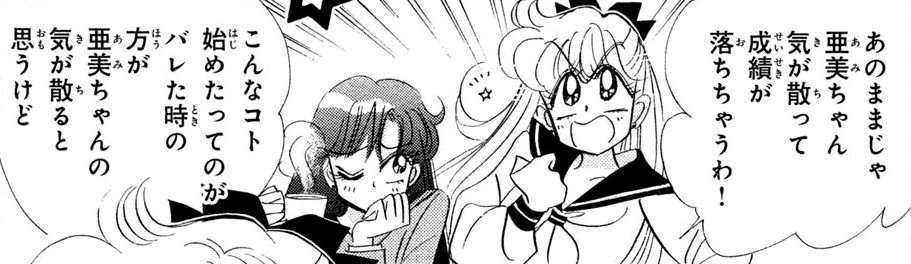
Ami is used to getting the top grade on mock exams, but when another name starts tying her scores, she begins to get flustered. Her friend Minako suggests they investigate the person behind the name, but Rei isn’t so sure.
美奈子:
「あのままじゃ 亜美ちゃん気が散って成績が落ちちゃうわ!」
“The way things are, Ami-chan'll be distracted, and her grades will drop!”
レイ:
「こんなコト 始めたってのがバレた時の方が亜美ちゃんの気が散ると思うけど」
“I think Ami-chan will be more distracted when she finds out we've started something like this.”
Minako wants to look into whoever is behind the name that keeps tying Ami’s scores. Rei disagrees: if Ami found out about the investigation, it would distract her more. 思うけど states Rei’s view and stops. The unsaid half is roughly “so maybe we shouldn’t”.
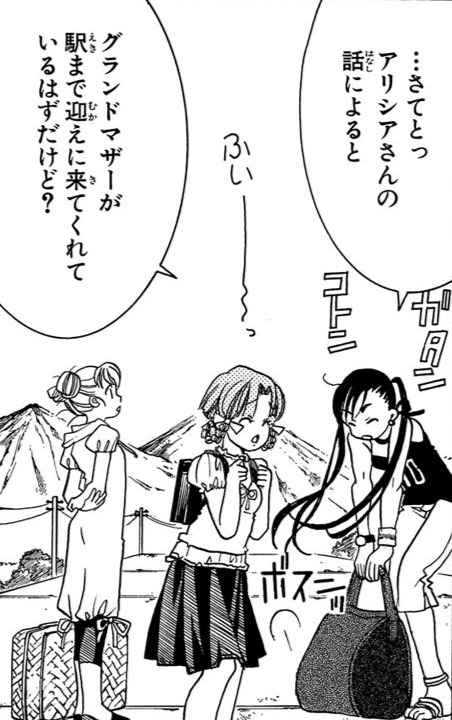
Aika, Akari, and Alice step off the train. Alicia told them Grandmother would meet them at the station. 〜はずだけど? states what should be happening, and the question mark shows Aika can’t see her yet.
When Things Didn’t Go as Planned
〜と思ったんだけど, 〜たかったんだけど, and 〜てほしかったんだけど name a plan or a wish, and けど hints that it didn’t work out. Often the reason is out of the speaker’s hands.
Example 1 of 2: Lunch duty today of all days with 〜に限って
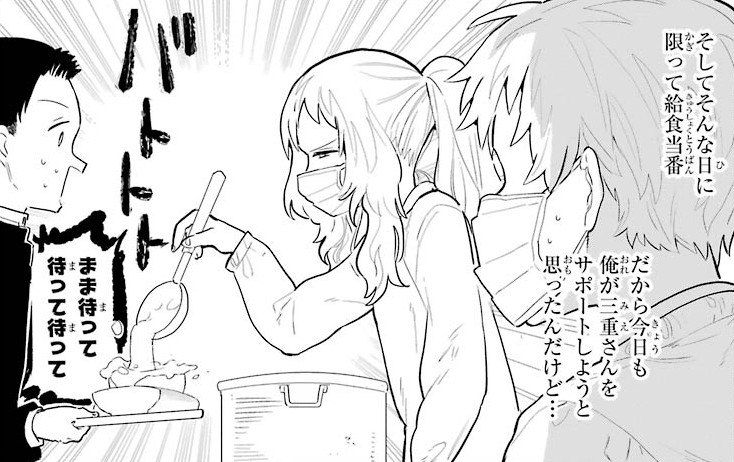
Komura and Mie have serving duty in the cafeteria. Normally this wouldn’t be an issue, except today Mie accidentally stepped on her glasses and broke them, and can barely see without them.
小村:
「そしてそんな日に限って給食当番」
“Thus, on a day such as that (of all days), she has lunch duty.”
「だから今日も俺が三重さんをサポートしようと思ったんだけど…」
“Therefore, I thought I'd support Mie today as well, but...”
Mie has broken her glasses, and she and Komura have lunch duty. Komura planned to help her again today. His 思ったんだけど… trails off, and another boy’s 待って待って待って shows the plan is already going wrong.
Example 2 of 2: Wanted to you taste-test with 〜てほしかった
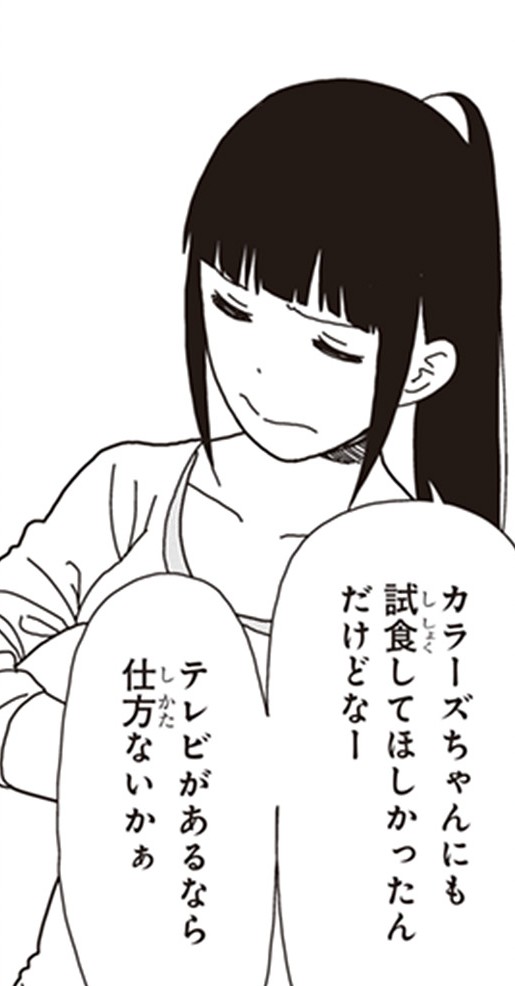
Momoka notices the trio Colors pestering a television cameraman. She intervenes to help him, telling the girls that she is heading to her family’s bakery to have taste-testing of her new type of rice ball.
ももか:
「カラーズちゃんにも試食してほしかったんだけどなー」
“I wanted you all to do some taste-testing as well, but...”
Momoka wanted the Colors to taste-test her new rice balls, but they’d rather stay with the TV crew. 〜てほしかったんだけど states the wish, and なー stretches out the disappointment. Her next line, 仕方ないかぁ, “oh well”, accepts it.
Hoping, with a Worry
〜といいけど and 〜といいんだけど hope for something while admitting it might not happen. けど leaves the doubt unsaid.
Example 1 of 2: Hoping baked bread is tasty with 〜といい
Cocoa has baked a special bread for her friends, and they’ve started tasting it. おいしく出来てるといいんだけど means “I hope it turned out tasty”. The けど carries a little worry that it didn’t.
Example 2 of 2: Limited amusement park admission with 入場制限
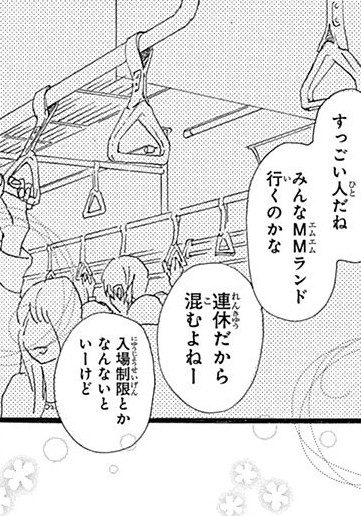
On the crowded train to MM Land, Ai hopes the park won’t limit admission. なんない is a casual ならない, and いーけど is a stretched いいけど.
Starting a Sentence with だけど
だけど can open a sentence. It points back at what was just said, like “but” or “still”. It doesn’t need a noun before it. けど and けれども work the same way, and でも is another casual choice.
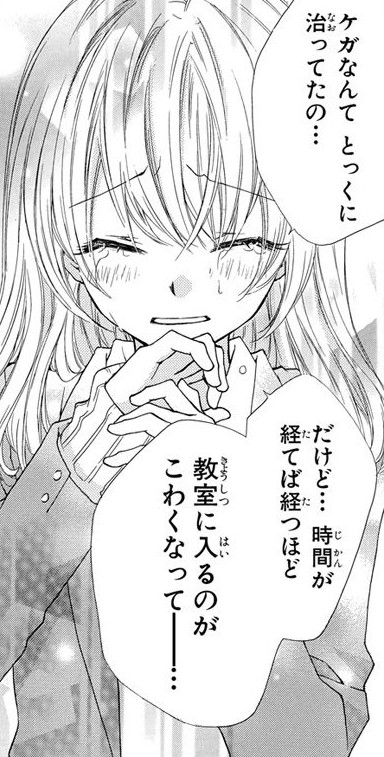
After a traffic accident sends Hiyori to the hospital, she misses the first few months of the school year. Once she’s finally able to attend, an embarrassing situation occurs, and she runs out of the classroom and hides. Yuushin tracks her down, and Hiyori tells him she should never have come to school.
ひより:
「ケガなんて とっくに治ってたの…」
“I'd already healed from my injuries.”
「だけど… 時間が経てば経つほど教室に入るのがこわくなってーー…」
“But, the more time passed, the more scary it became to return to class.”
Hiyori missed the start of the school year after an accident. Her first line says her injuries healed long ago. だけど opens the next one, where she explains why she still stayed away: the longer she waited, the scarier the classroom got.
All of these mean the same thing and attach the same way. The difference is register. They rank from けれども, the least conversational, through けれど to けど, the most conversational. けども is another casual form.
In manga, けど outnumbers けれど about 30 to 1. The longer forms sound more careful or formal, but they don’t make plain speech polite. Politeness comes from what’s in front: ですけど and ますけど are polite, and 高いけれど is still plain.