〜てくる and 〜ていく attach 来る, “come”, and 行く, “go”, to the て-form of another verb. The basic idea is direction. 〜てくる points toward the speaker’s side, and 〜ていく points away from it: 走ってくる is “come running”, and 走っていく is “go running”.
The same pair also works on a timeline. 〜てきた traces a change or an activity up to now, as in 寒くなってきた, “it’s been getting colder”. 〜ていく carries it forward from now, as in これからも頑張っていく, “I’ll keep at it”.
Usage Notes
“Toward the speaker” means toward the speaker’s side of the scene. That can be where they’re standing, their home, their school, or a place they’re talking about as “here”. The listener’s position doesn’t count unless the speaker takes it on.
After a て-form, くる and いく can be written in kana or as 来る and 行く. Both conjugate as usual: 来る is irregular (きた, きて, こない, こい), and 行く has the past 行った and the て-form 行って.
In casual speech, 〜ていく drops its い: 持っていく becomes 持ってく, and 持っていった becomes 持ってった. 〜てくる has no such short form.
The uses overlap. 雨が降ってきた can describe rain coming down toward you, or rain that has just started. Pick the reading that fits the scene.
Formation
View formation details
Verb (て-form) + くる
犬が走ってくる
"The dog comes running."
Verb (て-form) + いく
鳥が飛んでいく
"The bird flies away."
Verb (て-form) + きた
ジュースを買ってきたよ
"I went and bought some juice."
Verb (て-form) + いった
友達は先に帰っていった
"My friend went home first."
Verb (て-form) + きて
水を持ってきて
"Bring some water."
Verb (て-form) + いこう
これからも頑張っていこう
"Let's keep working hard from here on."
い-adjective (〜く) + なってくる・なっていく
寒くなってきた
"It's been getting colder."
〜てく・〜てった・〜てって (casual)
傘、持ってって
"Take an umbrella with you."
Note: These are 〜ていく, 〜ていった, and 〜ていって with the い dropped.
Coming Toward or Going Away
With a verb of movement, 〜てくる says the movement heads toward the speaker, and 〜ていく says it heads away. 降りる is just “come down” or “go down”. 降りてくる is “come down to where we are”. 帰ってくる is “come back home”, and 出ていく is “go out” or “leave”.
The verb before くる or いく carries the meaning. くる and いく only add the direction. Things that can’t walk can still “come”, as in ボールが飛んできた, “the ball came flying at me”.
The speaker’s side doesn’t have to be their exact location. It can be their home, their school, or whatever place they treat as “here” in the story they’re telling.
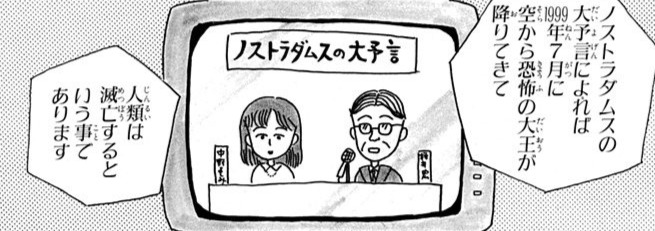
Example 1 of 4: According to Nostradamus with 〜によれば
Maruko learns about Nostradamus and his predictions from a classmate. She tells her family about it, leading to them watching a TV show about it that night.
アナウンサー:
「ノストラダムスの大予言によれば1999年7月に空から恐怖の大王が降りてきて」
“According to Nostradamus's great prophecy, in July 1999 a great king of terror will descend from the sky...”
A TV announcer reads out Nostradamus’s prophecy. 降りる alone is “descend”. 降りてくる says the king of terror comes down from the sky toward us, the people on the ground. きて is the て-form of くる, which links to the next line: humanity will perish.
Cocoa lists her bad luck for the day. 落下する is “fall”. 落下してくる points the fall at her: Anko came down on top of her. たり marks it as one item in a list of things that happened.
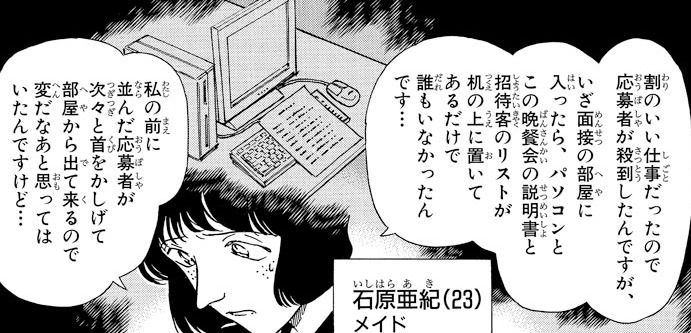
Example 3 of 4: Nobody in the interview room with いざ入ったら
Kogoro, Ran, and Conan have arrived at a remote mansion whose owner has invited several famous detectives to dinner. The maid who greets them admits she has never met the owner. Asked about the guest list, she says she was given it at her job interview, and that the interview was a strange one.
“It paid well, so applicants came flooding in. But when I actually went into the interview room, there was just a computer, instructions for this dinner party, and the guest list on the desk. Nobody was there…”
「私の前に並んだ応募者が次々と首をかしげて部屋から出て来るので変だなあと思ってはいたんですけど…」
“The applicants in line ahead of me came out of the room one after another, looking puzzled, so I did think it was odd…”
Aki waited in line outside the interview room, and the applicants ahead of her came out one after another, looking puzzled. 出て来る describes them coming out toward her side of the door. If she had been inside watching them leave, she would say 出ていく.
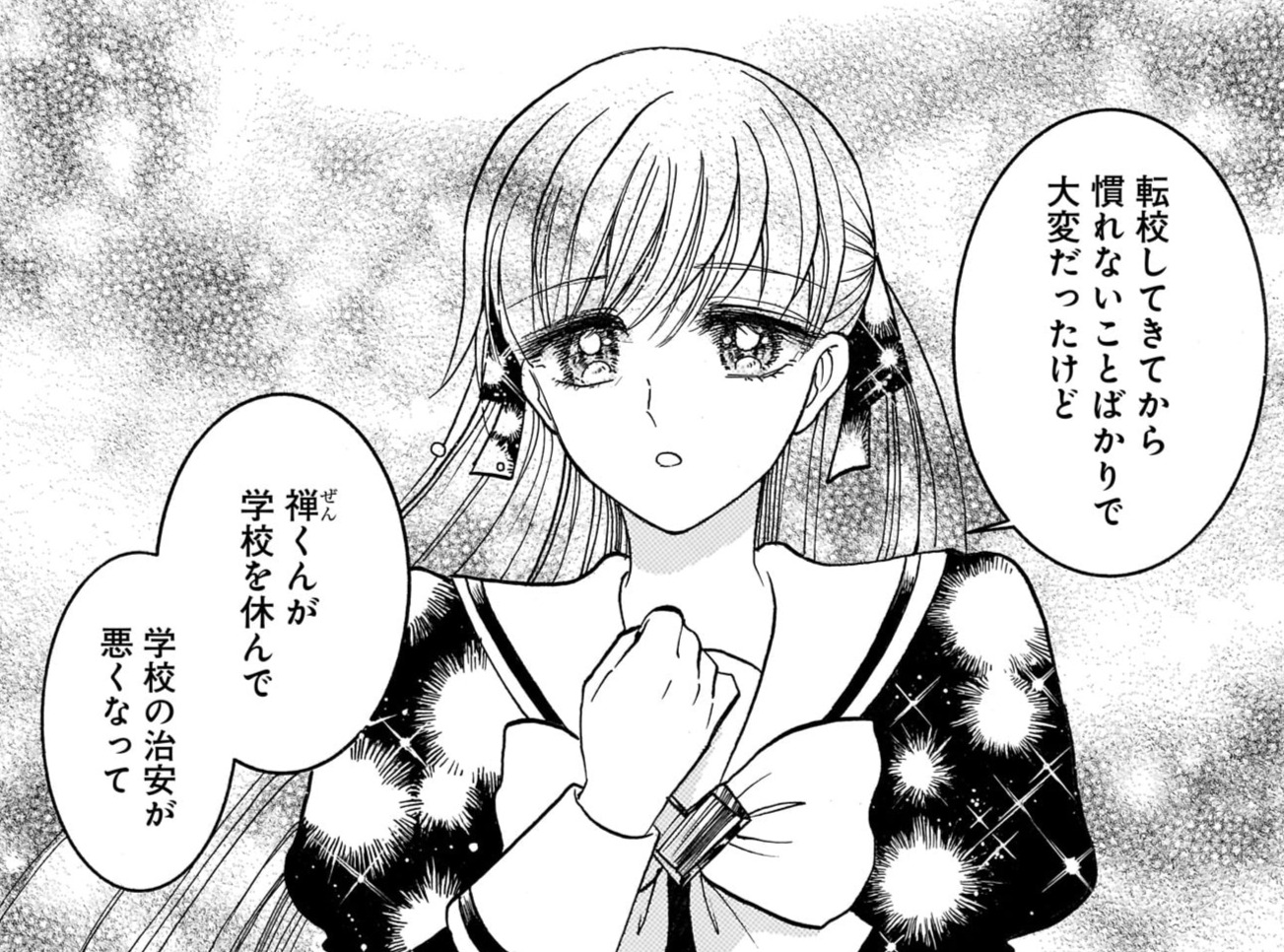
Example 4 of 4: A loss of public order at school with 治安
Following Zen’s absence from school for a while, fights and disobedience have taken over the school grounds. When Lulu learns Zen hasn’t been at home either during this time, she travels to the mountains in search of him. After finding him, she explains the situation at school.
ルル:
「転校してきてから慣れないことばかりで大変だったけど禅くんが学校を休んで学校の治安が悪くなって」
“Since I transferred to this school, everything has been unfamiliar and difficult, but ever since you've started missing school, the school's security has gotten worse...”
Lulu has tracked Zen down in the mountains to tell him what’s happening at school. 転校する is “transfer schools”. 転校してくる is “transfer in”, to the school that she and Zen share. They’re nowhere near it, but it’s still her “here”. てから is “since”.
Ways of Moving and Bringing Along
The て-form can also say how someone comes or goes, or what they’re doing on the way. 歩いてくる is “come on foot”, and 傘をさしていく is “go with an umbrella up”. The person is doing both at once.
The most common pairs bring something or someone along:
Toward
Away
Meaning
持ってくる
持っていく
bring / take (a thing)
連れてくる
連れていく
bring / take (a person or animal)
乗せてくる
乗せていく
give someone a ride here / there
You should learn these as words rather than working them out each time. English “bring” and “take” don’t always match the Japanese choice. English says “I’ll bring it to your place”, but Japanese uses 持っていく there, because the thing moves away from the speaker.
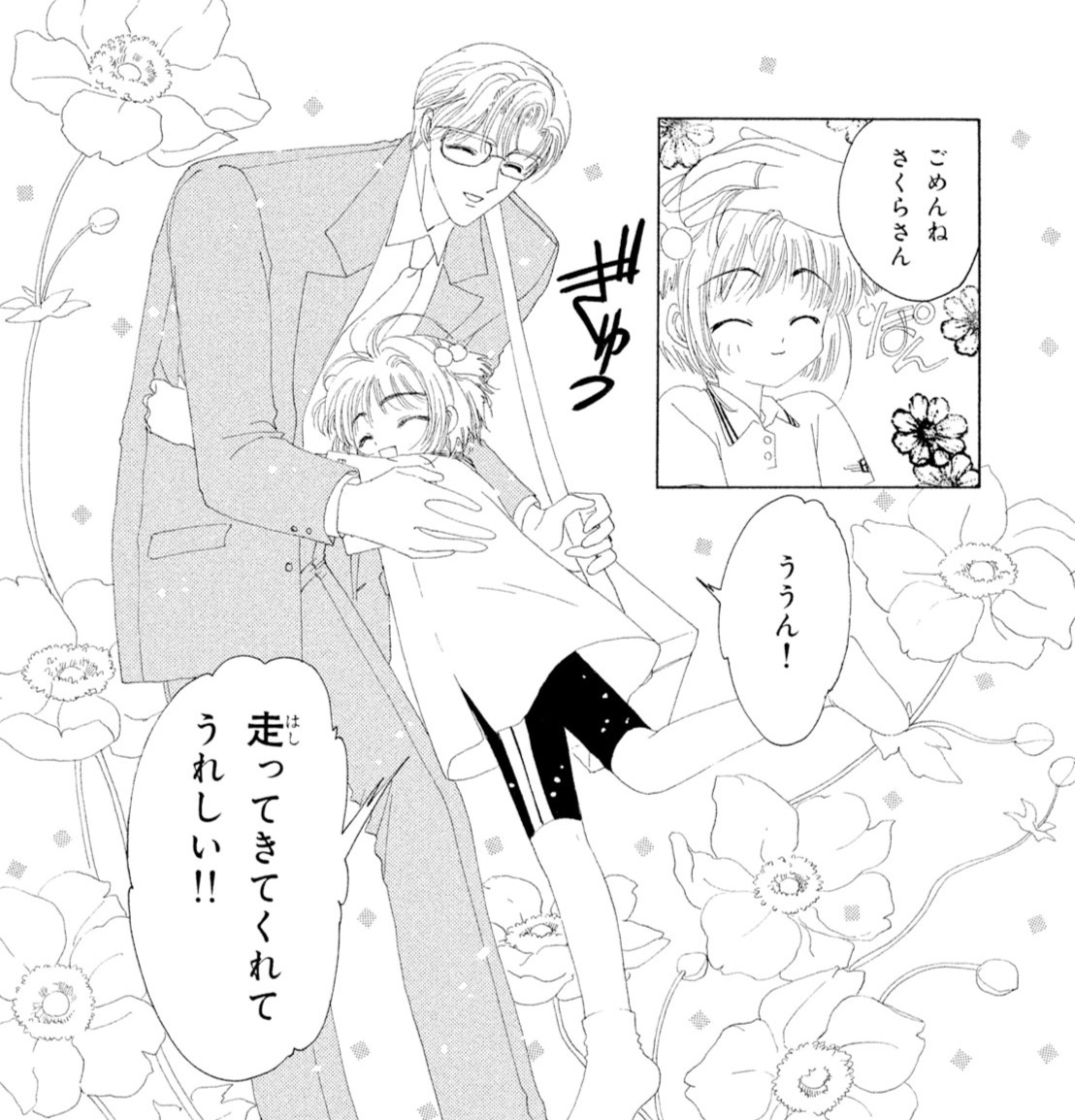
Example 1 of 5: Happy you came running over for me with 〜てくれる
Sakura’s older brother and his friend show up for her school’s sports day event. During their picnic lunch, Sakura’s father runs up to the group and apologizes for missing the cheerleading event Sakura participated in. Tomoyo assures him she recorded it on video, and Yukito says he took photographs.
Sakura’s father missed her cheerleading event and runs up to apologize. 走ってくる is “come running”. 走って says how he came, and くる says he came toward Sakura. くれて adds that she’s grateful he did.
Example 2 of 5: Went and brought the wrong textbook with 〜ちゃう
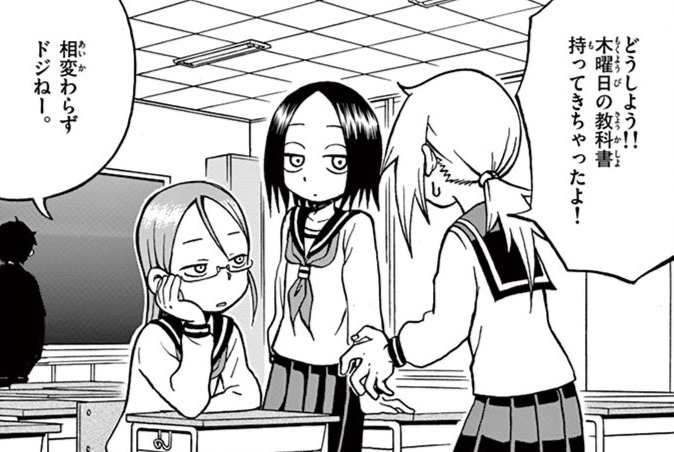
Mina has just found out it’s Friday. 持ってくる is “bring”: she had the textbook with her when she came to school. きちゃった is きてしまった, so she brought it by mistake.
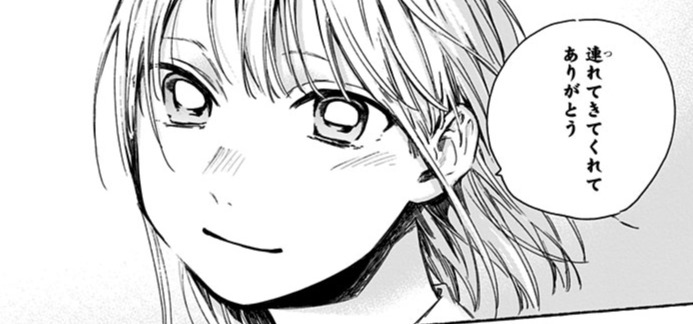
Example 3 of 5: Thank you for bringing me to the beach with 連れてきてくれてありがとう
Chinatsu tells Taiki she’d like to go to the beach. A train ride later, they’re wading through the tide. After playing for a while, the two sit and watch the setting sun, and then it’s time to head back home.
Chinatsu thanks Taiki at the end of their day at the beach. 連れてくる is “bring” for a person. They’re still at the beach, so the beach is the “here” that くる points to.
Hakumei and Mikochi can’t find the café they’re looking for, and two rodents offer to carry them there. 乗せていく is “take someone along as a passenger”, toward the café and away from here. In speech, ていって shortens to てって, and あげる offers it as a favor.
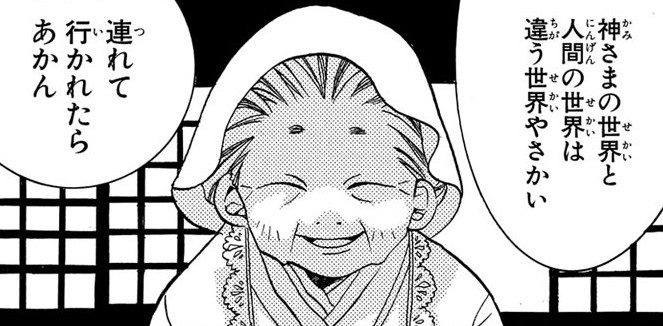
Alicia and Akari visit an island that’s modeled after part of Japan back on Earth. There, an elderly local woman tells the two of the fox spirits that visit the human world there. Akari is excited at the prospect of meeting one, but the old woman gives her a warning: on rare occasion, a fox will take a person back home with them.
おばあさん:
「神さまの世界と人間の世界は違うやさかい」
“Since the god world and the human world are different...”
An old woman warns Akari that on rare occasions, a fox spirit takes a person back to its world. 連れていく is “take someone along”, and 連れて行かれる is its passive, “be taken away”. The direction is away from the human world.
Doing Something, Then Coming
Here the て-form is something done somewhere else, and くる is coming here afterward, often back to where the person started. 買ってくる is “go buy and come back”, and 見てくる is “go look and come back”. English often leaves the return unsaid (“I’ll go get some juice”), but Japanese usually says it.
These are two cases here. In one, you leave, do something, and return, as in ちょっと聞いてきます, “I’ll go ask”. In the other, you do something first and then come here, without starting out here, as in 昼ご飯は食べてきた, “I ate lunch before I came”.
行ってくる is “go and come back”, and its polite form 行ってきます is what people say when they leave home. The reply is 行ってらっしゃい, “go and come back”.
Example 1 of 5: Want me to buy something with 〜てほしい
Chinatsu gets home from school just as her mother is heading out to buy food for dinner. Chinatsu is invited to come along, but she says she’ll stay home as there’s a TV show she wants to watch.
Chinatsu’s mother is heading out to buy food for dinner. 買ってくる is “buy and bring home”. きて is the て-form that ほしい attaches to, so 買ってきてほしい物 is “something you want me to buy and bring back”.
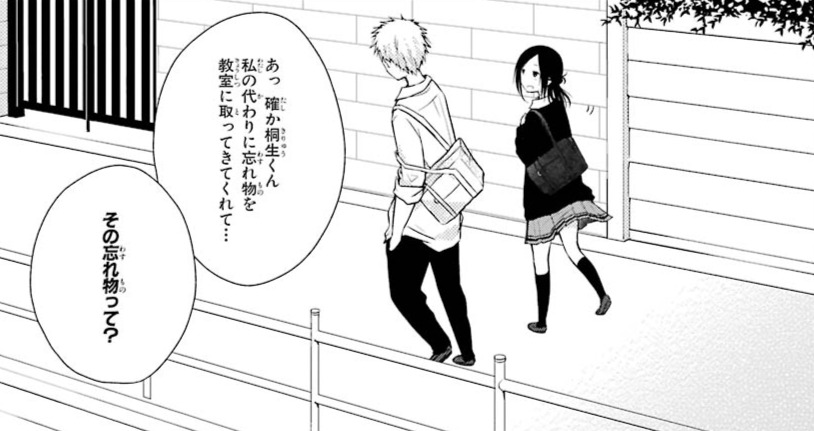
Fujimiya was able to work around forgetting her friends every Monday by using a journal to record her time spent with Hase. After Fujimiya discovers she can remember Hase’s friend Kiryuu, Hase gets jealous and reacts poorly. The following Monday, Fujimiya arrives at school with no memory of Hase or her journal, and Hase isn’t able to regain her trust. After school, Kiryuu walks with Fujimiya. Without mentioning Fujimiya eating lunch with Hase each day, he asks about how she spent her lunches last week. She isn’t certain. Without mentioning that Fujimiya previously had forgotten her journal at her desk and classmates found it, Kiryuu questions her about the after-school event.
藤宮:
「あっ 確か桐生くん私の代わりに忘れ物を教室に取ってきてくれて…」
“Ah, right… Kiryuu, you went to the classroom and picked up my forgotten item in place of me, didn't you…?”
Fujimiya recalls, a little unsure, that Kiryuu once fetched something she had left behind. 取ってくる is “go get”: he went to the classroom, picked it up, and came back with it. に marks the classroom as where he went.
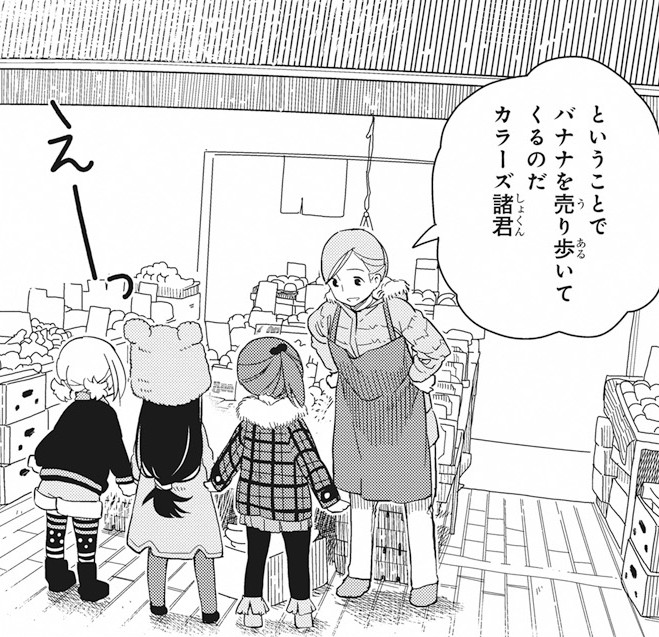
Sacchan receives an urgent message from her mother. She and her friends hurry to Sacchan’s mother’s fruit store to find out what the issue is. Sacchan’s mother explains that the store has too many unsold bananas. If they don’t sell out today, Sacchan will be eating bananas for breakfast, lunch, and dinner for a while.
お母さん:
「ということでバナナを売り歩いてくるのだカラーズ諸君」
“That said, you're going around selling the bananas for me, my dear Colors.”
Sacchan’s mother has too many bananas in her fruit shop. 売り歩く is “go around selling”. 〜てくる adds the return: the Colors go out, sell the bananas, and come back. The のだ turns it into an order.
Yotsuba and her father have their first breakfast since moving to a new house in a new town. Yotsuba takes a bite from her toast, then drinks down some milk.
よつば:
「こっちの牛乳はうめぇな!!」
“The milk here is good!”
父さん:
「(いっしょだろう…)よつば 今日は遊びに行く時 ちゃんといってきますって言えよ」
“(It tastes the same...) Yotsuba, when you go out to play today, make sure you say "I'm off", okay?”
On their first morning in the new house, Yotsuba’s father tells her to say いってきます when she goes out to play. It’s the polite form of 行ってくる, “go and come back”, the set phrase for leaving home. 遊びに行く earlier in the line is a different pattern, “go out to play”.
After Cocoa suggests if she were staying at Chiya’s place rather than Chino’s, that she’d be working for Chiya’s family’s tea house, Chiya takes to the idea.
千夜:
「じゃあ部屋を空けておくから早速荷物をまとめて来てね」
“Then I'll clear out a room in advance, so go gather your things and come right away.”
Chiya offers to clear out a room at her house so Cocoa can live there instead. 荷物をまとめて来て is “pack your things and come”. They’re at Chiya’s café right now, so this is the round trip: Cocoa would go home, pack, and come back here.
Doing Something, Then Going
〜ていく puts an action before leaving. 食べていく is “eat before going”, and 寄っていく is “stop by on the way”. The action can happen right where the speaker is, which makes this a common way to invite someone to stay a little: お茶でも飲んでいきませんか, “won’t you have some tea before you go?”
It can also be something done to get ready for where you’re going. ワインを買っていこう is “let’s buy some wine to take along”.
A mix-up has brought Cocoa and her friends to the teahouse where Syaro works. お茶する is “have tea”, and お茶していく is “have tea here before we go”. In speech, していって becomes してって. てもいいかな asks Syaro if that’s all right.
Actions Aimed at You
〜てくる can point an action at the speaker without anyone moving. 言ってくる is “say to me”, 電話してくる is “call me”, and にらんでくる is “glare at me”. Without くる, 文句を言う doesn’t say who hears the complaint. 文句を言ってくる makes the speaker the target.
These actions are often unexpected and unwelcome, like a store manager who butts in on everything. They can also be neutral, and some may be a pleasant surprises. How the speaker feels about it depends on the context, not on くる itself.
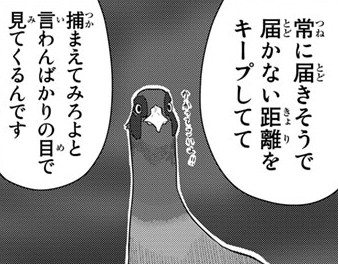
Kei and Chinatsu watch as their cousin, Makoto, chases a pheasant back and forth across the field. During a break in the chase, Makoto explains her fascination with the bird.
真琴:
「常に届きそうで届かない距離をキープしてて」
“It always keeps just out of reach, close enough that I think I can get it...”
「捕まえてみろよと言わんばかりの目で見てくるんです」
“And it gives me a look as if to say, 'Try and catch me!'”
Makoto explains why she keeps chasing the pheasant. It stays just out of reach and looks at her as if to say “try and catch me”. The bird isn’t coming any closer. 見てくる aims the look at Makoto.
Appearing and Disappearing
With verbs like 出る, 見える, and 浮かぶ, 〜てくる means something appears or comes into view. 富士山が見えてきた is “Mount Fuji came into view”, and いいアイディアが浮かんできた is “a good idea came to me”. 出てくる is also how Japanese says a character “appears” in a story.
〜ていく is the reverse, with verbs like 消える, 沈む, and 去る. 太陽が沈んでいく is “the sun sinks away”. Something disappears or stops existing, with a sense of moving away from the speaker.
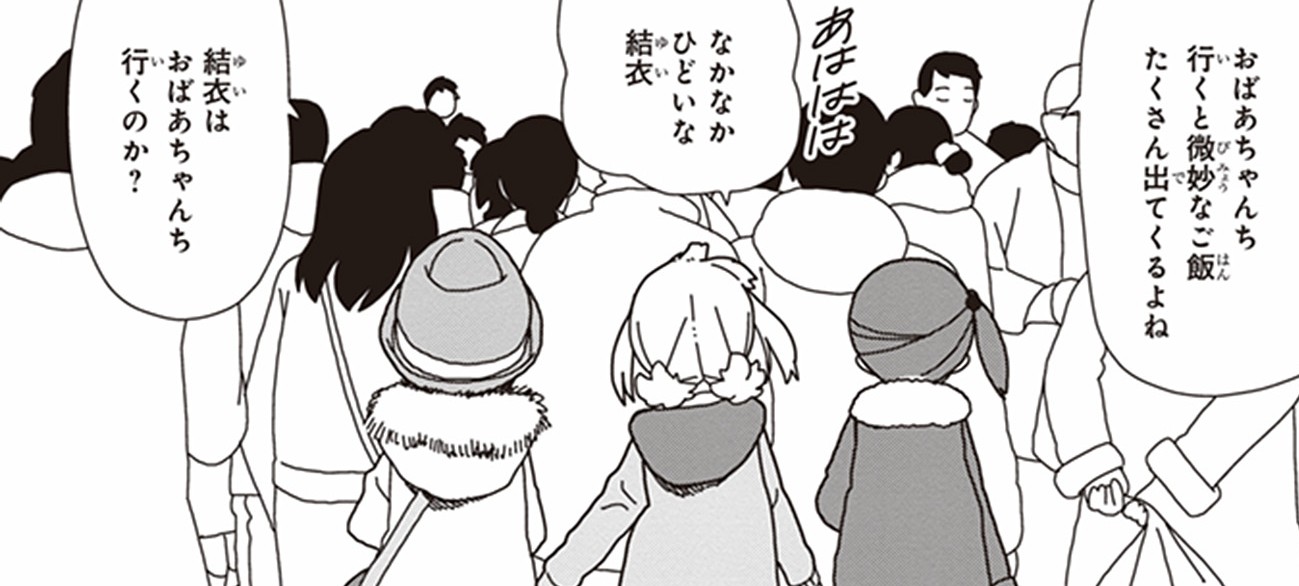
Yui and her friends compare New Year foods. At her grandmother’s, a lot of food she doesn’t care for gets served. 出てくる is “come out” or “show up”, here dishes appearing on the table in front of her.
〜てくる can mark the start of a feeling, a bodily sensation, or a change in the weather. 眠くなってきた is “I’m getting sleepy”, 疲れてきた is “I’m getting tired”, and 晴れてきた is “it’s clearing up”. Nobody decides these. They come over the speaker a little at a time.
In English, “I’m getting ~” or “I’m starting to ~” usually fits. 〜ていく doesn’t mark the start of a feeling like this. だんだん眠くなっていく, “I’ll keep getting sleepier”, belongs to the gradual change use below.
Example 1 of 2: That schoolhouse over there with あれ
Rize thinks Chino and Cocoa just made up after a fight, but Syaro and Chiya say they always act like that. Now Rize can’t tell whether Syaro and Chiya are oblivious or she’s reading too much into it. わからなくなる is “lose track” or “stop being able to tell”, and 〜てくる has the confusion setting in as she thinks about it.
With verbs of change like なる, 増える, and 変わる, the pair splits a gradual change at a reference point, usually now. 〜てきた looks back at the change up to now: 人口が減ってきた, “the population has been falling”. 〜ていく looks ahead: 減っていく, “it will keep falling”.
The reference point can also be in the past, as in 発展していった, “it went on to develop”. So 〜ていく isn’t a future tense. It means “onward from the reference point”.
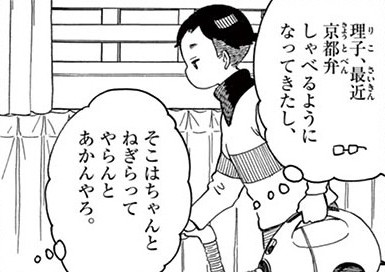
The dance teacher and the house mistress send the maiko off with おきばりやす, “keep up the good work”. Later, over a cup of tea, Tsurukoma decides the phrase sounds cool and wants to say it herself. Watching Riko, the new trainee, vacuum the room, she realizes she could say it to her own junior.
つる駒:
「理子、最近京都弁しゃべるようになってきたし、」
“Riko's started speaking Kyoto dialect lately...”
「そこはちゃんとねぎらってやらんとあかんやろ。」
“...so I really ought to give her some credit for that.”
Tsurukoma watches Riko, the new trainee, vacuuming. しゃべるようになる is “start speaking”. 〜てきた adds that the change has been building up to now. Riko has been using more and more Kyoto dialect lately.
With actions that go on over time, 〜てきた covers everything done up to now: ここで十年働いてきました, “I’ve worked here for ten years”. It sums up a history, often with ずっと or 今まで, so the action has to be one that went on for a while or happened again and again. It doesn’t say whether the action has stopped.
〜ていく carries an action on from now: これからも続けていく, “I’ll keep it up”.
〜ていく can also show steps done one after another, with no one going anywhere. 作り方を見ていきましょう is “let’s go through how to make it”.
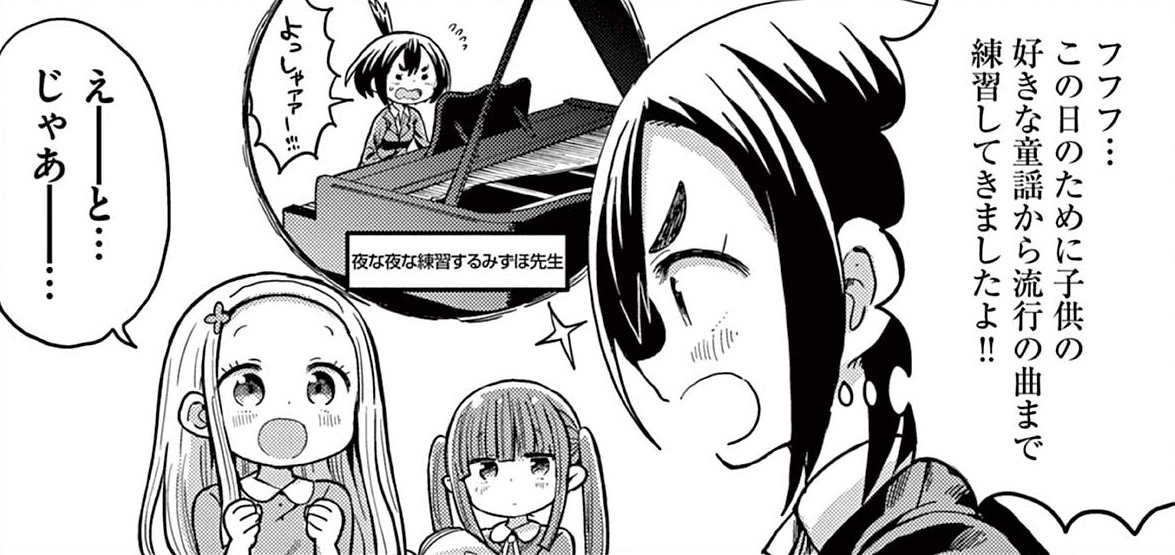
Ms. Mizuho is a new teacher. During her student teaching in Tokyo, a class survey called her lessons boring, and she wants her first graders to have fun. Today she is leading them on a school exploration. In the music room, the children crowd around the grand piano, and Sami asks whether it plays any songs. Ms. Mizuho sees her chance. She sits down at the piano, offers to play, and asks the class for requests.
みずほ先生:
「フフフ… この日のために子供の好きな童謡から流行の曲まで練習してきましたよ!!」
“Heh heh heh... For this day, I've practiced everything from the nursery rhymes kids love to the latest hits!!”
Ms. Mizuho sits down at the piano in the music room. 練習してきました sums up all her practice leading up to today. The aside shows her practicing night after night.
Example 2 of 4: Being strict with oneself and one's student with 心を鬼にする
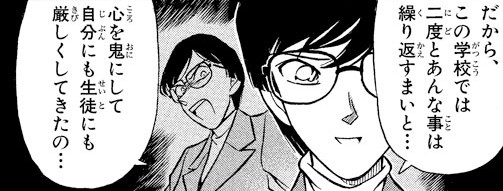
Conan’s classmates aren’t fond of their new teacher’s strict attitude. Ms. Kobayashi explains how at her last school, she couldn’t bring herself to be strict, and it allowed her students to get so out of control that students were injured in a fight.
小林:
「だから、この学校では二度とあんな事は繰り返すまいと…」
“So, determined never to let anything like that happen again at this school...”
「心を鬼にして自分にも生徒にも厳しくしてきたの…」
“I hardened my heart and have been strict with myself and my students ever since...”
Ms. Kobayashi explains that at her last school, she couldn’t bring herself to be strict, and her students got so out of hand that some were hurt in a fight. 厳しくしてきた is “I’ve been strict” all this time at her new school, not a single moment of turning strict.
Example 3 of 4: Losing all that built-up friendship with 水の泡になる
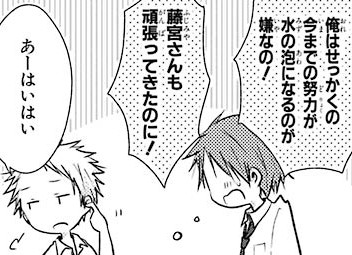
Although Fujimiya loses her memory of friends every Monday morning, she and Hase have become close enough that she feels comfortable around him when meeting him “for the first time” at school each Monday. Hase fears that progress will be lost during summer break.
長谷:
「俺はせっかくの今までの努力が水の泡になるのが嫌なの!」
“I hate seeing all my hard work up to now go down the drain!”
Hase is afraid summer break will undo the progress Fujimiya has made with him. 頑張ってきた is all the effort she has made up to now. のに adds his frustration that it could go to waste.
Example 4 of 4: Grocery shopping plan understood with 了解
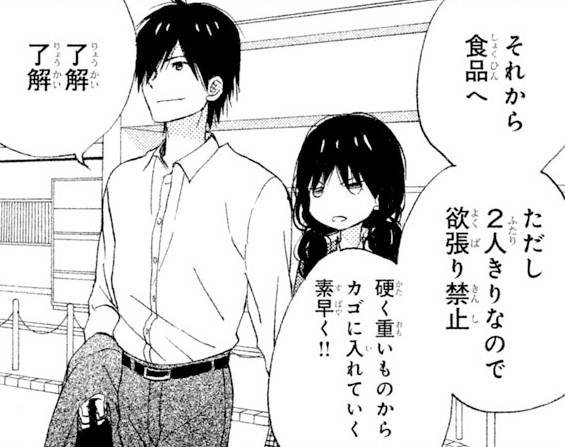
Mao needs Hiro to go grocery shopping with her due to a sale that’s limited per customer. She tells him the plan is to start by grabbing everyday household items first.
真魚:
「それから食品へ」
“Then move on to food.”
「ただし2人きりなので欲張り禁止」
“But since it's just the two of us, no hoarding allowed!”
「硬く重いものからカゴに入れていく素早く!!」
“We'll fill the basket as we go, starting with the hard, heavy stuff. Fast!!”
Mao lays out the plan for a sale with a per-customer limit. 入れていく is “put things in one after another”, starting with the hard, heavy items. The いく here isn’t about moving away. 〜ていく moves the action forward step by step.
These are easy to mix up with similar forms. 持ってって is “take it with you”, 持ってきて is “bring it”, and 持ってて, from 持っていて, is “hold onto it”. 持ってこう is “let’s take it”, while “let’s bring it” is 持ってこよう.
くる doesn’t shorten like this. 持ってくんな, “don’t bring it”, is 持ってくるな with るな shortened, but 〜てくんない is usually 〜てくれない, “won’t you ~ for me?”
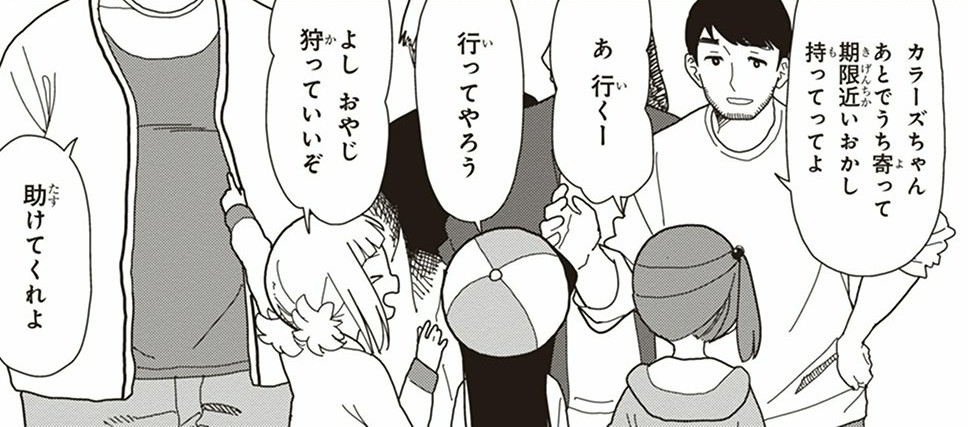
The candy-shop owner runs into the Colors while out shopping. 持っていって, “take with you”, shortens to 持ってって. あとでうち寄って asks them to stop by her shop later to pick them up.
After Yousuke finishes moving his belongings into his new home with the help of his friend Jumbo, Jumbo offers to pick up some gifts for Yousuke to give his new neighbors when he goes around the neighborhood to introduce himself.
Jumbo offers to pick up gifts for Yousuke’s new neighbors, and Yousuke tells him 持ってくんな. It’s 持ってくるな, “don’t bring”, with るな shortened to んな. The てく here is the start of てくる, not a shortened ていく.