Conjecture with 〜らしい
Grammar: Hearsay » 〜らしい
らしい reports a conclusion based on information the speaker has heard, seen, or read. It often translates as “apparently”, “it seems”, or “I hear”.
Usage Notes
らしい follows a noun, adjective, or plain-form verb. The preceding clause may be affirmative or negative and can use any tense.
Related Grammar
-
そうだ
- Differs in that it expresses a guess based on what the speaker sees, whereas らしい is based on what the speaker believes to be more reliable information.
Examples
Heard about getting along with animals with 〜らしい
Grammar Explanation: Conjecture with 〜らしい

Chino is fascinated by the rabbit at a rival tea shop, but she keeps her distance.
- ココア:
- 「触らないの?」
- “You're not going to touch it?”
- リゼ:
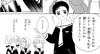
- 「チノはティッピー以外の動物が懐かないらしい」
- “It seems that animals other than Tippy don't warm up to Chino.”
Heard about the effects of the hot water 〜らしい
Grammar Explanation: Conjecture with 〜らしい

Rize and her friends visit an indoor hot spring.
- リゼ:
- 「ここのお湯は高血圧や関節痛に効果があるらしい」
- “Apparently, the hot water here is effective for high blood pressure and joint pain.”
- 千夜:
- 「ぬるま湯に浸かってるのもいいかも」
- “Maybe soaking in lukewarm water isn't so bad.”
Supplemental Examples
Try finding this grammar in the following examples: