Even with 〜だって
Grammar: Emphasis
After a noun, だって means “even” or “too”. 先生だって間違える is “even teachers make mistakes”, and 私だって行きたい is “I want to go too”.
For “even” it overlaps with でも, and for “too” with も. Either way it adds a push. だって argues that something counts, often against someone who treated it as an exception.
Usage Notes
Noun + だって belongs to conversation. It still turns up in です and ます sentences, as in そのくらいのことは私だってできます, but formal writing uses でも for “even” and も for “too”. だって sounds stronger than でも, and it often has an edge. 私だって is the classic comeback of someone who feels left out or underestimated.
だって replaces は, が, and を. Most other particles stay in front of it, as in 子供にだって, 電車でだって, 外国へだって, and 今からだって.
Formation
View formation details
- Noun + だって (even)
- 先生だって間違えることはある
- "Even teachers make mistakes sometimes."
- Noun + だって (too)
- 私だって行きたい
- "I want to go too!"
- Noun + particle + だって
- 子供にだってできる
- "Even a kid could do it."
- Note: に, へ, で, と, から, and まで usually stay in front of だって.
- Time word + だって
- 今だって好きだよ
- "I love you even now."
- Noun + だって + noun + だって
- 犬だって猫だって好きだよ
- "I like dogs and cats alike."
Saying “Even” with だって
After a noun, だって can pick out an extreme case, the one you’d least expect to fit. If even that one fits, the listener can work out that more ordinary cases do too.
Often the point is less surprise than “of course”. 先生だって間違える says teachers are only human.
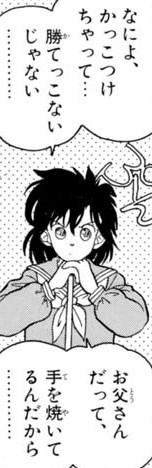
As he performs one trick after another, Kaito says he’s unbeatable at magic. Aoko says he can’t win against Kaitou Kid, the magic-using thief her police father has yet to apprehend. Kaito disregards the claim and continues disrupting class with his tricks.
- 青子:
- 「なによ、かっこつけちゃって… 勝てっこないじゃない……」
- “What's with all that showing off? There's no way he can win.”
- 「お父さんだって、手を焼いてるんだから」
- “Even Dad is having a hard time of it.”
Kaito has been showing off in class, claiming nobody can beat him at magic. Aoko knows someone he can’t beat. Kaitou Kid is a phantom thief who works with magic tricks, and her father, a police inspector, has never caught him. お父さんだって means “even Dad”. 手を焼く means having your hands full with someone. If her father, a professional, is struggling, a high school show-off has no chance.
Saying “Too” with だって
だって can also mean “too”, like も with more push behind it. It often answers someone who left the speaker out or doubted them.
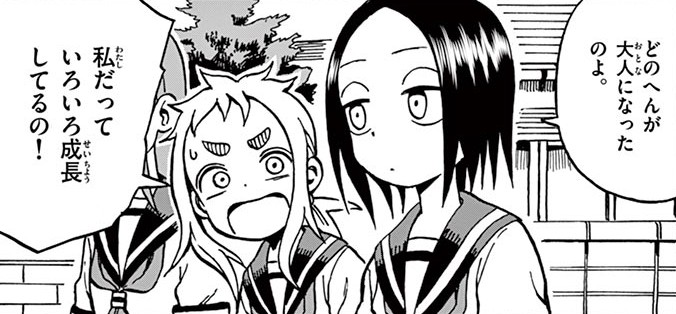
Mina buys a can of coffee, even though she’s bad at bitter drinks. When her friends question her, she says she’s grown up a bit and should be able to drink it.
- サナエ:
- 「どのへんが大人になったのよ。」
- “What part of you has grown up?”
- ミナ:
- 「私だっていろいろ成長してるの!」
- “I've grown in lots of ways!”
Mina has bought a can of coffee even though she can’t handle bitter drinks. She says she’s grown up enough to drink it now, and Sanae asks which part of her grew up. 私だって works like an insistent も. Sanae’s question treats Mina as the one who hasn’t grown up, and Mina insists she’s no exception.
私も成長してる would make the same claim more plainly. 私だって argues it.
Raising the Stakes with だって
This is the same “even”, aimed at a large amount or a high frequency. It stresses how far someone will go.
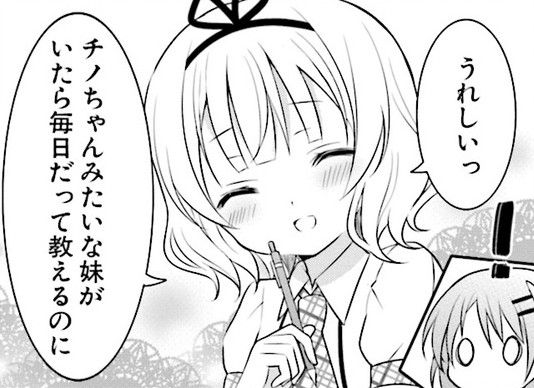
During a group study session, Chino finds Syaro a much better teacher than Cocoa.
- シャロ:
- 「うれしいっ」
- “I'm so happy!”
- 「チノちゃんみたいな妹がいたら毎日だって教えるのに」
- “If I had a little sister like Chino, I'd teach her (homework material) every day.”
Chino has decided that Syaro is a much better tutor than Cocoa, and Syaro is thrilled. With a little sister like Chino, she says, she’d teach 毎日だって, “even every day”. Tutoring now and then is what anyone might offer. 毎日だって goes past that.
今だって is a little different, because it doesn’t stretch an amount. 今だって好きだよ, “I still love you, even now”, says the present is no exception, like an insistent 今も.
Even Someone like That with いくら〜だって
いくら in front of the noun marks it as an extreme case. いくら俺だって is “even someone like me”, and the sentence says that even that case holds, or doesn’t.
- いくら俺だってモーツァルトぐらい知ってるよ。
Even someone like me knows who Mozart is.
- いくら子供だってそれくらいわかるだろう。
- Even a kid would understand that much.
With いくら, だって and でも both work, but も doesn’t. Without いくら, 俺だって and 俺も are both fine.
After a verb, as in いくら叫んだって, it’s the “no matter how much” of 〜たって instead.
Keeping the Particle Before だって
だって takes the place of は, が, and を. Most other particles stay, and だって follows them.
- 子供にだってできる。
Even a kid could do it.
- 今からだって間に合うよ。
- You can still make it, even starting now.
Things That Can Happen with 〜ことだって
To put だって on a whole action, Japanese first turns the action into a noun with こと or の. 負けることだってある is “you even lose sometimes”.
- 負けることだってある。
Sometimes you even lose.
- 毎日歩くのだって大変だ。
- Even walking every day is hard.
The most common forms are ことだってある, “it can even happen”, and ことだってできる, “you can even do that”. Don’t split ことだって into ことだ plus a quoting って. When ある or できる follows, it means “even”.
Even by Doing with 〜てだって
だって can also follow a て-form. The action is the means, and だって marks it as the way you’d least expect to work.
- 歩いてだって行ける距離だよ。
- It’s close enough to get to even on foot.
Don’t confuse it with 歩いたって, “even if you walk”, from 〜たって. With the て-form, the action is how something gets done. With たって, it’s a condition that doesn’t change the outcome.
Listing Items with 〜だって〜だって
Nouns lined up with だって are treated alike. When they’re all included, English says “X and Y alike”. When they’re alternatives, as with いい or 関係ない, it says “whether X or Y”.
- 犬だって猫だって好きだよ。
I like dogs and cats alike.
- 男だって女だって関係ない。
- Man or woman, it doesn’t matter.
Telling “Even” from a Quote
Noun + だって can also be something else. A statement ending in だ, quoted with って, reports what someone said. Quoting and reporting with と and って covers that use.
- 先生だって知らないよ。
Even the teacher doesn’t know.
- 犯人は先生だって。
- They say the culprit is the teacher.
Where だって sits doesn’t settle it. A quote can go on with a verb of saying, and an “even” or “too” phrase can be moved to the end.
- 犯人は先生だって言ってた。
They said that the culprit was the teacher.
- 行きたいよ、私だって。
- I want to go too!
Ask whether the noun has a part in the rest of the sentence. In 先生だって知らない, the teacher is the one who doesn’t know, so it’s “even”. In a quote, 先生だ stands on its own as what someone said, even as a one-word answer: 先生だって, “the teacher, they say”. A comeback like 俺だって! is still “me too”, because the statement it answers is implied.
Comparing だって with も and でも
For “too”, compare だって with も. For “even”, compare it mainly with でも.
- 私も行きたい。
I want to go too.
- 私だって行きたい。
- I want to go too!
The も line adds the speaker. The だって line pushes back, as if someone planned to leave the speaker behind.
- 子供でもわかる。
Even a child can understand it.
- 子供だってわかる。
- Even a kid gets it.
Both mean “even”. でも also fits formal writing. だって belongs to conversation and sounds stronger.
だって doesn’t go in a real question, one that asks for information. For “even” in a question, use でも. A question that expects agreement is fine, as in 君だって知ってるでしょ?
- ええっ、先生でも漢字を忘れることがあるんですか?
- What, even you forget kanji sometimes?
Further Reading
- だって, Bunpro (bunpro.jp)
- だって, デジタル大辞泉 via Weblio (www.weblio.jp)
Related Grammar
- That said with だって
- At the start of a sentence, だって gives a reason or an excuse. The spelling is the same, but the job is different.
- Anyone and always with 誰だって and いつだって
- After a question word, だって means "any" instead of "even".
- Even if with 〜たって
- After a verb or adjective, たって and だって mean "even if". With a noun the two meet, as in 雨だって行く, "I'll go even if it rains".
- Marking the topic with は and も
- も adds "too" without the push. 私も行きたい is a plain "me too".
- Offering an example with 〜でも
- This でも means "or something", as in お茶でも飲もう. だって can't replace it.
- Quoting and reporting with と and って
- After a full statement, as in 犯人は先生だって, だって is だ plus the quoting って, "they say it's ...".
- Grammar in the Kansai dialect
- Kansai speech uses かて, as in 子供かて.