Giving an example with 〜ようだ
Grammar: Choice and Selection
〜ような and 〜ように can hold up a concrete example of the kind of thing being talked about: “such as” or “like”.
Unlike the metaphor use, the example really belongs to the group it stands for. In 東京のような大きな町, “a big city like Tokyo”, Tokyo really is a big city.
Usage Notes
A noun example takes の before ような, and the noun after ような names the group it belongs to: 東京のような大きな町. A clause can also give the example. Then it describes the kind of thing meant, as in 前に話したような事件, “an incident like the one I mentioned before”.
ように does the same before a verb or adjective. It shows the model to follow: 私が言うようにやって, “do it the way I say”.
In this use, ようだ doesn’t end a sentence. It appears as ような before a noun or ように before a predicate. A sentence-final ようだ is usually a guess or a comparison.
To tell an example from a comparison, try adding a word. If たとえば (“for example”) fits, it’s probably an example. If まるで (“just like”) fits, it’s probably a comparison.
A related use opens an explanation with a set phrase such as ご存じのように, “as you know”. That one points to shared knowledge rather than giving an example. It has its own section below.
Formation
View formation details
- Noun + の + ような + noun
- 東京のような大きな町に住みたい
- "I want to live in a big city like Tokyo."
- Noun や Noun + の + ような + noun
- 都会には泥棒やスリのような犯罪が多い
- "Cities have a lot of crimes like theft and pickpocketing."
- Clause (plain form) + ような + noun
- 前に話したような事件がまた起きた
- "An incident like the one I told you about happened again."
- Clause (plain form) + ように + verb
- 私が言うようにやってください
- "Please do it the way I say."
- ご存じの + ように (opening an explanation)
- ご存じのように、明日は休みです
- "As you know, tomorrow is a day off."
Naming a Representative Example
The speaker picks one member of a group to show what kind of thing they mean. In 彼のような真面目な人, “a serious person like him”, he really is serious, and he stands for everyone like him.
Two or more examples are listed with や: 泥棒やスリのような犯罪, “crimes like theft and pickpocketing”.
Naming the group through one member also keeps the statement general. 隣のおばさんのような働き者は少ない, “hard workers like the lady next door are rare”, praises the neighbor without making the sentence only about her. The same applies in あなたのような人には会ったことがない, “I’ve never met anyone like you”.
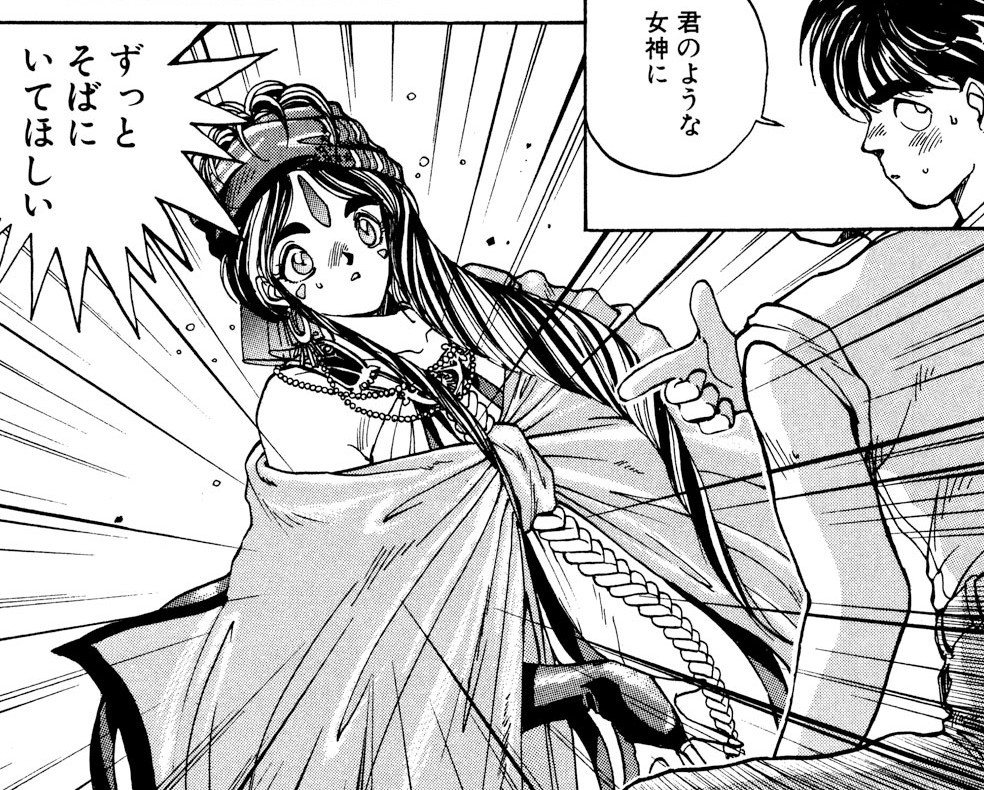
After accidentally dialing the Goddess Technical Help Line, Kei’ichi finds himself face-to-face with a Goddess offering him a wish. After a brief conversation, Kei-ichi flippantly makes a wish.
- 螢一:
- 「君のような女神にずっとそばにいてほしい」
- “I want a Goddess like you to always be by my side.”
Kei’ichi has just met Belldandy, a real goddess, and she offers him one wish. 君のような女神 means “a goddess like you”. She belongs to the group she stands for, so this is an example, not a comparison. The whole phrase, marked by に, is who he wants to stay by his side forever.
Describing the Kind of Person or Thing
A clause before ような can show what someone or something is like through a typical act or situation. 仕事を放り出すような人間 means “someone who would walk away from their job”. It sums a person up by the kind of thing they do.
The situation can also show a degree. 都会でもめったに会えないような美しい人 means “a woman so beautiful you’d rarely meet one even in the city”.
The noun is often one particular person or thing. The clause shows what type they belong to.
Example 1 of 2: Getting on one's nerves with 気に食わない

Following the death of their parents, Kanami’s big brother Kazutaka became secluded and abusive. Kanami begins to spend time with Makoto, a “rental big brother” whose advice gives her hope in restoring her brother’s former kindness. Kazutaka rebukes her attempts, suggesting that Makoto’s filling her with nonsense ideas.
- 一敬:
- 「気に食わないんだよ」
- “He gets on my nerves.”
- 「適当な甘い言葉で金を取り続けるような奴」
- “He's the kind of guy who keeps taking (rental) money while spouting alluring words.”
Kazutaka is angry that his little sister Kanami has been spending time with Makoto, a “rental big brother”. He describes Makoto by what he does: he keeps taking money while saying sweet things. 〜続けるような奴 means “the kind of guy who keeps doing that”, and it sums Makoto up as that type.
Example 2 of 2: Strange incidents on after another in Tokyo with 続出
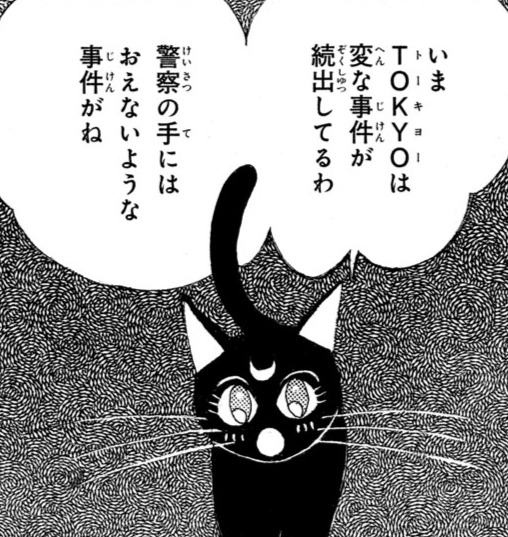
Luna introduces herself to Usagi, but Usagi thinks she’s dreaming if a cat is speaking to her. Luna gives Usagi a special brooch, then proceeds to explain the dire situation that has brought them together.
- ルナ:
- 「いまTOKYOは変な事件が続出してるわ」
- “Strange incidents are popping up all over Tokyo these days.”
- 「警察の手にはおえないような事件がね」
- “Incidents that seem beyond the police's control, you know.”
Luna, a talking cat, explains to Usagi why she needs her help. 警察の手にはおえないような事件 means “incidents of a kind the police can’t handle”. ような tells Usagi what kind of incidents these strange cases are.
Pointing to a Known Example
A clause before ような can also point to something the speaker or listener has already seen or heard. 田中君が言ったような意見 means “opinions like the one Tanaka gave”. The clause names a known case, and the noun covers anything of that kind.
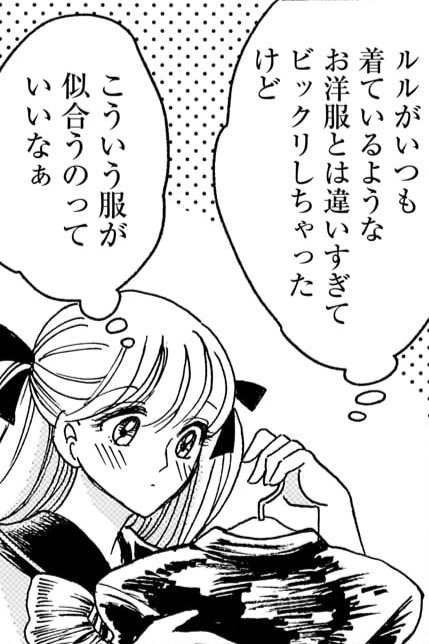
Lulu goes clothes shopping with her friends from class. The outfits at the clothing shop are glaring, but Kyouko tries one on and Lulu finds it very suited to her.
- ルル:
- 「ルルがいつも着ているようなお洋服とは違いすぎてビックリしちゃったけど」
- “They were so different from the clothes I usually wear that I was surprised, but...”
- 「こういう服が似合うのっていいなぁ」
- “It must be nice to look good in clothes like these.”
Lulu has gone clothes shopping with her classmates, and the shop is full of flashy outfits. ルルがいつも着ているようなお洋服 means “the kind of clothes I usually wear”. Her own wardrobe is the known example, and the shop’s clothes are very different from it. Lulu calls herself by name, so ルル becomes “I” in English.
Following a Model with ように
Before a verb or adjective, ように shows a model to follow. 私がやるようにやってください means “please do it the way I do”. The model can also be what someone said: 母が言ったように、早く帰ればよかった, “I should have gone home early, as my mother said.”
The model can be a person, too. In 先輩のようになりたい, “I want to be like you, senpai”, the speaker takes senpai as the model to aim for.
Opening an Explanation with ご存じのように
A few set phrases with ように open an explanation by pointing to something the listener already knows. ご存じのように and ご承知のように mean “as you know”, and 周知のように means “as is well known”. ご存じ and ご承知 are respectful words, so these phrases sound formal.
This use introduces shared knowledge rather than giving an example. さっき言ったように, “as I said earlier”, can open a remark the same way, pointing back to the speaker’s own words. When a “someone said” clause instead shows how to act, as in 母が言ったように早く帰ればよかった, it belongs to the model use above.
Related Grammar
- Metaphor with 〜ようだ
- The same ような compares figuratively when the example isn't literal.
- Evidence-based guessing with 〜ようだ
- Sentence-final ようだ usually makes a guess from evidence.
- Likening things with 〜みたい
- みたいな gives examples the same way in casual speech.
- Or something similar with 〜か何か
- か何か also gestures at a category through an example, but leaves the choice vague.