Hearsay with 〜そうだ
Grammar: Hearsay » 〜そうだ
〜そうだ after a complete plain-form clause reports information the speaker got from somewhere else: “I hear that…” or “they say that…”
The speaker presents the information as secondhand, without adding a guess of their own. It’s often news they think is worth passing on.
Usage Notes
Hearsay そうだ attaches to the plain form of a complete clause, affirmative or negative, past or nonpast. This sets it apart from appearance 〜そうだ, which attaches to a verb or adjective stem: 降るそうだ “I hear it will rain” versus 降りそうだ “it looks like rain”.
そうだ itself has no past, negative, or question form. Any tense or negation belongs to the reported clause. It does not follow だろう, みたいだ, or ようだ. The fixed pattern 〜そうじゃないか looks like a negative question, but it asks the listener to confirm and doesn’t negate the report.
Formation
View formation details
- Verb (plain form) + そうだ
- 明日は雨が降るそうだ
- "I hear it will rain tomorrow."
- Verb (plain negative) + そうだ
- 明日は雨が降らないそうだ
- "I hear it won't rain tomorrow."
- Verb (past plain form) + そうだ
- 二人は結婚したそうだ
- "I hear the two of them got married."
- い-adjective + そうだ
- あの店のラーメンはおいしいそうだ
- "They say that shop's ramen is delicious."
- な-adjective + だ + そうだ
- 彼は泳ぎが得意だそうだ
- "I hear he's good at swimming."
- Noun + だ + そうだ
- あの人は先生だそうだ
- "I hear that person is a teacher."
Passing Along News
The speaker passes on something they heard or read, from another person, the news, or a rumor.
Polite speech uses そうです. Casual speech uses そうだ, often with よ or ね. In softer casual speech, the final だ drops before the particle, as in 降るそうよ. Old men in manga often say そうじゃ.
だそうです can stand alone as a reply or remark, meaning “so I hear”. What’s being reported is clear from the conversation.
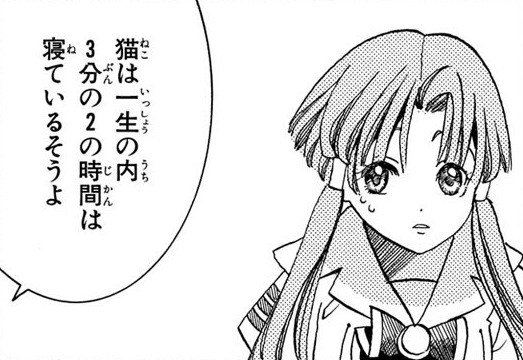
It’s the height of summer in Neo-Venezia. Akari wonders where President Aria is, and they find him sprawled out, sleeping in the one cool spot.
- アリシア:
- 「猫は一生の内 3分の2の時間は寝ているそうよ」
- “They say cats spend two-thirds of their lives asleep.”
On a sweltering summer day, Akari and Alicia find President Aria fast asleep in the one cool spot. Alicia passes on some cat trivia: 寝ているそうよ, “they say cats spend two-thirds of their lives asleep”. そう follows the plain form 寝ている, and the だ drops before よ.
Naming the Source
〜によると or 〜の話では can name where the information came from, but the source is optional. See 〜によると and 〜によれば for more on the source phrases.
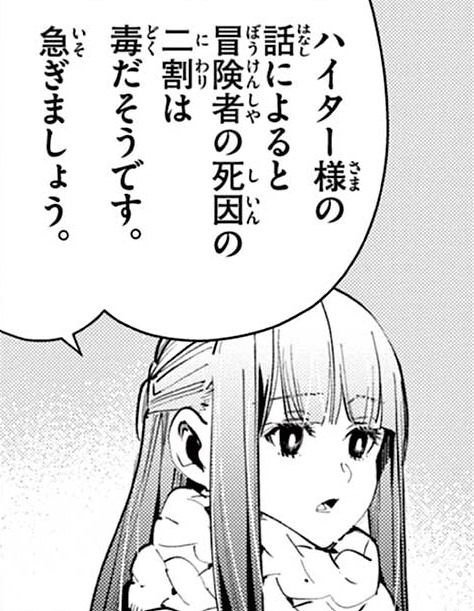
After a villager warns that the area is full of poisonous creatures, Stark gets bitten anyway. Frieren doesn’t recognize the poison and can’t treat it, so Fern and Frieren fly him back to the village. Stark insists he’s fine, since his master always said you can beat poison with guts. Frieren recalls that Eisen once shrugged off an arrow poisonous enough to knock out a dragon, which left Heiter appalled. Fern remarks that if Heiter was appalled, Eisen is the strange one.
- フェルン:
- 「ハイター様の話によると冒険者の死因の二割は毒だそうです。」
- “I heard from Lord Heiter that two in ten adventurers who die are killed by poison.”
- 「急ぎましょう。」
- “Let's hurry.”
Stark has been bitten by a poisonous creature but insists he’s fine. Fern isn’t convinced: ハイター様の話によると names Heiter as her source, and 毒だそうです reports what he told her, that poison causes two in ten adventurer deaths.
Past and Negative Reports
Tense and negation go in the reported clause, before そうだ: 降らないそうだ, “I hear it won’t rain”, and 降ったそうだ, “I hear it rained”. そうだ itself stays the same. Hearsay doesn’t use 降るそうだった, 降るそうではない, or 降るそうですか.
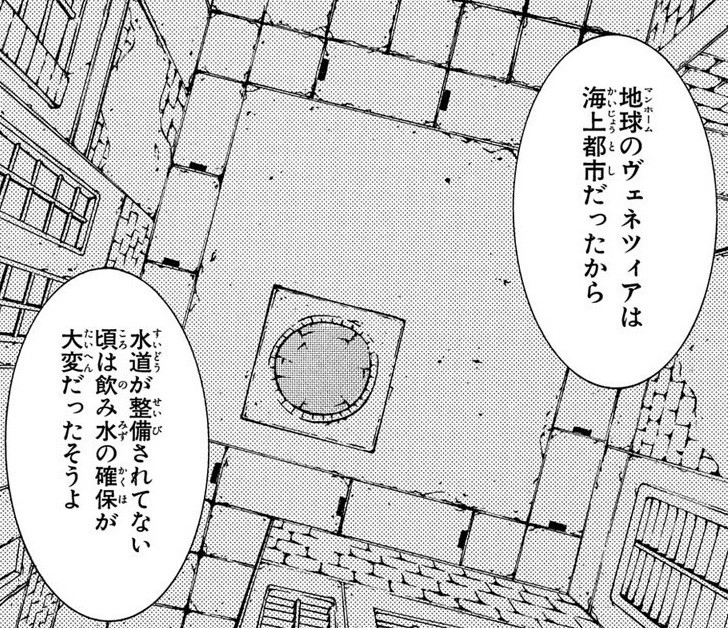
Al shows up late to meet Aika after working overtime, and the two walk the quiet streets at night. Aika climbs onto an old well in a plaza, its rotten cover gives way, and she drops in. Al reaches down to help her out and tumbles in after her. Luckily the well is dry. As Aika tries to climb the stone wall, Al remarks that the town’s wells have covers because no one uses them anymore.
- アル:
- 「地球のヴェネツィアは海上都市だったから」
- “Venice on Manhome was a city on the sea...”
- 「水道が整備されてない頃は飲み水の確保が大変だったそうよ」
- “...so I hear getting drinking water was really hard back before they had a water system.”
Aika and Al have fallen into an old dry well, and Al explains why the plazas had wells. 大変だったそうよ, “I hear it was hard”, puts the past tense in the reported clause, and そう stays as it is. The だ drops before よ.
Continuing with そうで and そうですが
そうで is the て-like form of hearsay そうだ. It links the report to what comes next: 経過がいいそうで安心した, “I heard he’s recovering well, so I was relieved”.
そうですが adds が to the polite form. The が often just leads into a question or comment rather than marking a contrast. See Contrasting with 〜が〜.
Checking What You Heard with そうじゃないか
〜そうじゃないか brings up something the speaker heard and asks the listener to confirm it: “I hear you…, is that right?” It’s usually about the listener. It can be praise, as in 手柄を挙げたそうじゃないか, “I hear you’ve made your mark!”, or a challenge, as when a detective confronts a suspect.
じゃないか here asks the listener to confirm. It doesn’t negate the report.
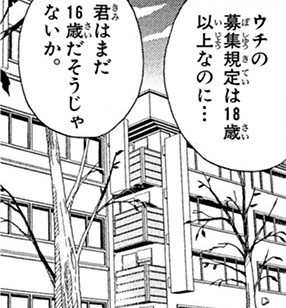
Hayate is a first-year high school student who works as a bicycle courier, even on Christmas Eve, because both his parents refuse to work. When he gets back to the office, the manager tells him he’s fired. Hayate protests that he does his job properly, and the manager agrees he’s the fastest and best courier they have. So why fire him? The manager says Hayate has been lying about his age.
- 店長:
- 「ウチの募集規定は18歳以上なのに…」
- “We only hire people eighteen and older...”
- 「君はまだ16歳だそうじゃないか。」
- “But I hear you're only sixteen.”
Hayate’s manager is firing him for lying about his age. The company only hires people eighteen and up, and 君はまだ16歳だそうじゃないか, “but I hear you’re only sixteen”, confronts Hayate with what the manager was told and presses him to admit it.
Further Reading
- そうです(伝聞), Japan Foundation (jpf.go.jp)
- そうだ/ようだ/らしい (1), Japan Foundation 日本語教育通信 (jpf.go.jp)
- そうだ, デジタル大辞泉 and 精選版 日本国語大辞典 (Kotobank) (kotobank.jp)
- Expressing hearsay using 「~そうだ」, Tae Kim's Guide to Learning Japanese (guidetojapanese.org)
- Hearsay, IMABI (imabi.org)
- そうだ, Bunpro (bunpro.jp)
Related Grammar
- According to with 〜によると and 〜によれば
- These forms name the source of the information reported with そうだ.
- Looking like with 〜そうだ
- The same そうだ after a stem gives an impression from appearance rather than reporting information.
- Conjecture with 〜らしい
- らしい can also pass along something heard, but it can rest on other clues too.
- Evidence-based guessing with 〜ようだ
- ようだ gives the speaker's own inference from evidence. そうだ passes on what someone else reported.
- Quoting and reporting with と and って
- In casual speech, 〜って and 〜んだって often do the same job as そうだ.