Hoping with 〜といい
Grammar: Hope » 〜といい
〜といいです expresses hope for a good outcome: “I hope ~”. The preceding verb uses its plain nonpast form.
The speaker has no direct control over the outcome. When hoping for their own benefit, speakers often use といいんですが or といいんですけど to sound less direct.
Examples
Hoping baked bread is tasty with 〜といい
Grammar Explanation: Hoping with 〜といい

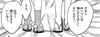
After teaching her friends how to bake bread, Cocoa surprises them with a special menu item she created.
- 千夜:
- 「食べてみましょう」
- “Let's try it.”
- チノ:
- 「もちもちしてる…」
- “It's so soft and chewy...”
- ココア:
- 「えへへーおいしく出来てるといいんだけど」
- “I hope it came out tasty, but...”
Hoping to get along well with 〜といい
Grammar Explanation: Hoping with 〜といい

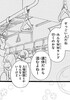
After Cocoa moves in, Chino’s father and grandfather (in the form of a rabbit) discuss their energetic new tenant.
- ティッピー:
- 「やれやれ大変になりそうじゃ」
- “Good grief. This looks like it's going to be a handful.”
- お父さん:
- 「チノ仲良くやれるといいな」
- “I hope Chino is able to get along well (with Cocoa).”
Supplemental Examples
Try finding this grammar in the following examples: