If that's the case with なら
Grammar: Condition » なら
なら expresses a hypothetical condition or introduces a topic.
Usage Notes
なら follows a noun directly, or the plain form of a clause, often as のなら (casual んなら).
Unlike たら, the なら clause doesn’t need to happen first: 「行くなら車で行け」 “if you’re going (at some point), go by car”; even though going is mentioned first, the advice applies before the going occurs.
After a bare noun, なら simply sets that noun up as the topic under discussion: 「寿司なら、あの店がいい」 “if it’s sushi (you want), that shop is good”.
Formation
View formation details
- Noun + なら
- 温泉なら、北海道がいい
- "If it's hot springs you're after, Hokkaido is good."
- Verb (plain form) + なら
- そんなに眠いなら、寝なさい
- "If you're that sleepy, go to bed."
- Clause + の + なら
- 行くのなら、早く行こう
- "If we're going, let's go soon."
- Note: In casual speech, のなら contracts to んなら.
- それなら (picking up the conversation)
- それなら心配いらないよ
- "In that case, there's no need to worry."
Responding to What Someone Said
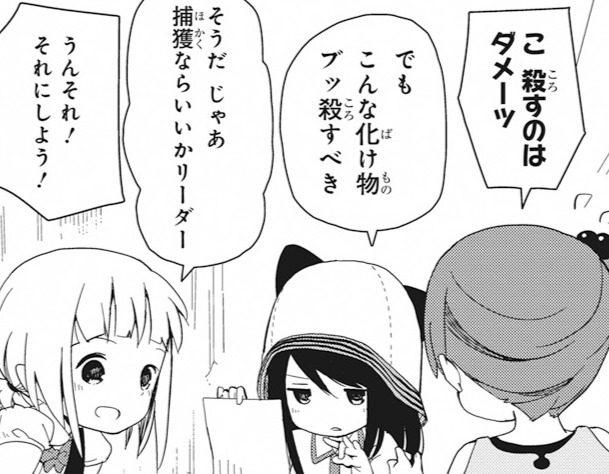
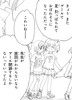
Yui, Sacchan, and Kotoha are friends who’ve formed a group called Colors to protect their neighborhood. Yui is the group’s leader.
Yui hurries to the Colors clubhouse with news of a cat she saw. She draws it on paper, but Sacchan sees it as the sketch of a monster. Kotoha looks over the drawing and asks if they’re going to kill it.
- 結衣:
- 「こ 殺すのはダメーッ」
- “K-killing it is not okay!”
- 琴葉:
- 「でも こんな化け物ブッ殺すべき」
- “But a monster like this should be killed.”
- さっちゃん:
- 「そうだ じゃあ捕獲ならいいかリーダー」
- “Right. Then is capturing it okay, Leader?”
- 結衣:
- 「うんそれ!それにしよう!」
- “Yeah, that! Let's do that!”
Sacchan responds to Yui’s ban on killing by using 捕獲なら to propose capturing the creature instead.

When Syaro is invited to study at the library with the others, she considers Rize may praise her for helping the others.
- シャロ:
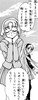
- 「そ そんなに言うなら教えてあげてもいいかなー」
- “I-if you insist that much, maybe I could teach you if that's okay.”
- ココア:
- 「そこまでは言ってないよ!」
- “I didn't say all that!”
Syaro’s そんなに言うなら turns the others’ urging into the condition for her offer, giving the line the coy sense “if you insist.”
Narrowing the Topic or Scope

Cocoa sees Syaro handing out advertisement fliers. When Syaro says she can’t go home until she’s done with them, Cocoa likens her to the fabled little match girl.
- ココア:
- 「そんなにチラシ燃やしたかった?」
- “Did you really want to burn the fliers that badly?”
- 「マッチならあるよ」
- “I've got some matches.”
- シャロ:
- 「そういう意味じゃない」
- “That's not what I meant.”
Cocoa uses マッチなら to limit her offer to the topic of matches: “if matches are what you need, I have some.”
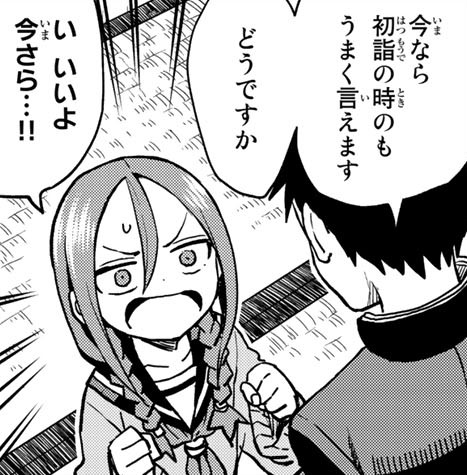
Ayumu heavily compliments Urushi on her looks wearing a sweater that’s a little too big. He quietly congratulates himself, and when Urushi questions him on it, Ayumu explains that he’s regretted his inability to find the words to compliment her outfit during their New Year’s shrine visit.
- 歩:
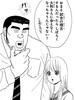
- 「今なら初詣の時のもうまく言えます。どうですか」
- “I can properly say it now for the New Year's shrine visit. How about it?”
- うるし:
- 「い いいよ。 今さら…!!」
- “It's okay. It's too late!”
Ayumu’s 今なら limits his claim to the present, when he can give the compliment he failed to express during the shrine visit.
Reasoning with それなら
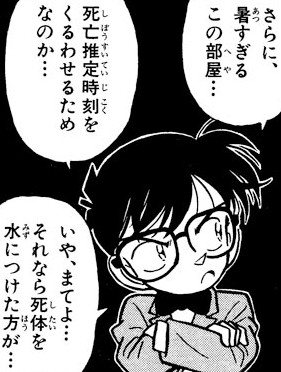
Upon walking in on a murder scene, Conan goes right to work making observations about the blood-covered body and its surroundings. He notes how the room is torn apart save for one upright chair beside the deceased.
- コナン:
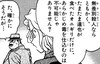
- 「さらに、暑すぎるこの部屋…」
- “Furthermore, this room is too warm...”
- 「死亡推定時刻をくるわせるためなのか…」
- “Is it to confuse the estimated time of death...?”
- 「いや、まてよ… それなら死体を水につけた方が…」
- “No, wait... If that's the case, it would be better to put the corpse in water...”
Conan uses それなら to treat the heated-room theory as a premise, then reasons that putting the body in water would work better.
Advice That Precedes the Condition

Before Cocoa teaches Rize how to swim, Syaro stops her with a suggestion.
- シャロ:
- 「泳ぐなら念のため軽くストレッチした方がいいと思うの」
- “If you're going to swim, I think you had better do some light stretching just in case.”
- ココア:
- 「さすがシャロちゃん」
- “That's Syaro for you.”
Syaro uses 泳ぐなら to make swimming the condition for her advice, even though the stretching needs to happen before anyone swims.
Casual んなら

During Jumbo’s visit, Yotsuba tells him she made pancakes earlier.
- よつば:
- 「まだちょっとのこってる!チンしてたべるか!?」
- “There's some left over! Shall I heat it up to up to eat?”
- ジャンボ:
- 「おう。よつばが作ったんなら食べなきゃな」
- “Sure. If you made them, I have to eat some.”
Jumbo’s よつばが作ったんなら reacts to Yotsuba’s news that she made the pancakes. んなら is the conversational contraction of のなら.
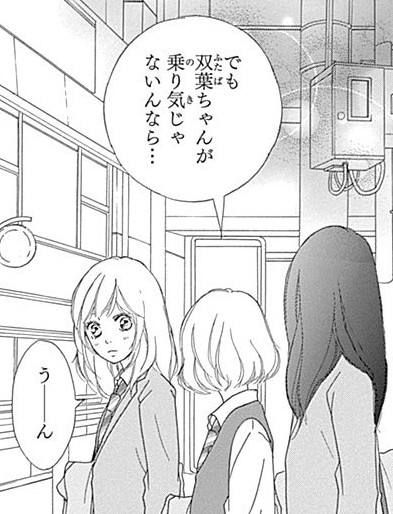
Kikuchi asks Futaba out. He says if she prefers, they can invite their friends along as well. After school, Futaba brings it up with her friends. Yuuri says she’ll go if Kikuchi’s friend Uramiya is there.
- 悠里:
- 「でも双葉ちゃんが乗り気じゃないんなら…」
- “But if you're not interested...”
- 双葉:
- 「うーーーん」
- “Mm...”
Yuuri attaches んなら to 乗り気じゃない, “not interested.” She leaves the result unstated, trusting Futaba to understand what her reluctance would mean for the outing.
Related Grammar
- If and when with 〜たら
- たら waits for its condition to actually happen; なら reasons from what's been said.
- Natural result with 〜と
- と links a condition to its automatic result.
- Hypothetical condition with 〜ば
- ば states what's needed for an outcome to hold.
- It might be one thing if with 〜ならともかく
- ならともかく sets one case aside to contrast it with another.
Supplemental Examples