Sentence-final よ delivers information the speaker thinks the listener doesn’t have: “I’m telling you”, “you know”.
It can be helpful (落ちましたよ “you dropped something”), insistent (本当だよ “it’s true, I tell you”), or pushy, depending on tone.
Usage Notes
よ attaches to complete sentences at any politeness level. After a command or request it adds urging: 早くしろよ “hurry it up, will you”.
The contrast with ね helps when reading dialogue. よ gives the listener information, while ね appeals to shared knowledge. よね combines the two: assert, then check. In stereotyped feminine speech, よ follows the plain form without だ, as in きれいよ, “it’s lovely”.
Formation
View formation details
Sentence + よ
その店、今日は休みだよ
"That shop's closed today, you know."
Command / request + よ
ちゃんと聞いてよ
"Come on, listen properly."
Noun / な-adjective + よ (feminine, without だ)
大丈夫よ
"It's all right, dear."
Note: Dropping だ before よ marks stereotyped feminine speech in fiction.
〜わよ (emphatic feminine)
知らないわよ
"How should I know!"
Telling Someone Something New
Giving news or an answer is a common use of よ. It presents the information as something for the listener to notice.
この店、日曜は休みだよ。
This shop is closed on Sundays.
Here the speaker may be helping someone plan a visit. よ makes that delivery explicit. Whether a sentence sounds natural without it depends on the conversation; a bare statement can sound abrupt in some casual exchanges.
1 source
聞き手が知らないことを教える「教示」用法
The "informing" use, which tells the listener something they do not know.
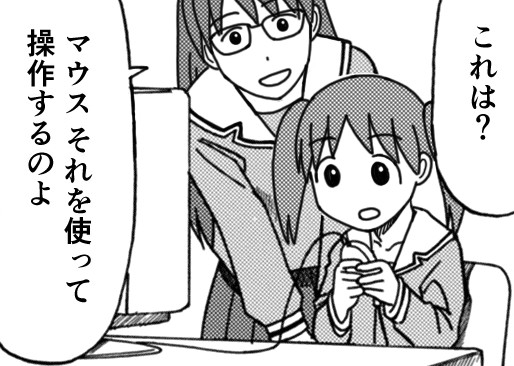
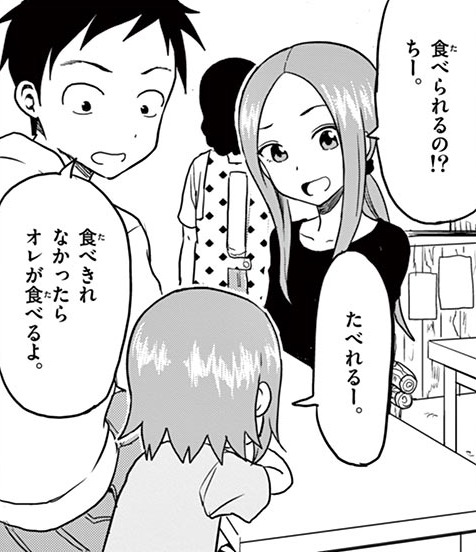
Chiyo’s new school has a computer class, and she has never used a computer. She points at the mouse, and Yomi explains: それを使って操作するよ, “you use that to control it”. よ marks it as something Chiyo needs to know.
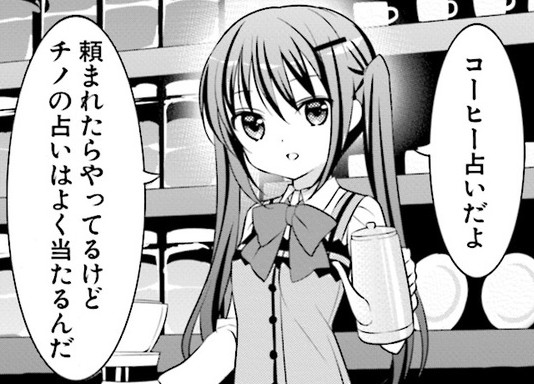
Rize and Cocoa watch Chino seem to tell a customer’s fortune, and Cocoa asks what that was. Rize tells her: コーヒー占いだよ, “it’s coffee fortune-telling”. よ hands over the answer Cocoa didn’t have.
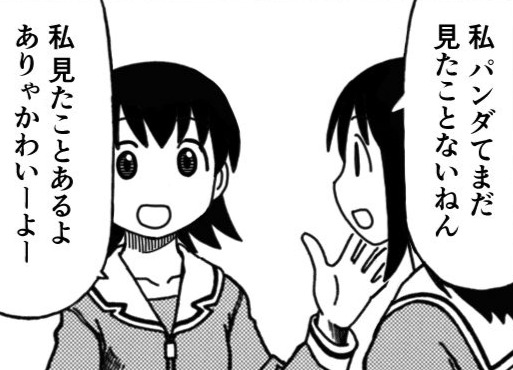
Chiyo has brought a panda picture book to class. Ayumu has never seen a real panda, but Tomo has: 見たことあるよ. She adds ありゃかわいーよー, “they’re cute!” The first よ answers Ayumu with Tomo’s experience; the second shares her enthusiastic opinion. よー stretches the ending.
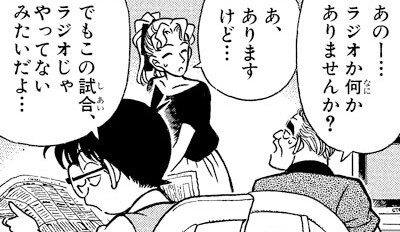
A news broadcast has interrupted the baseball game Tetsuhiro was watching, and he asks for a radio. Conan tells him that the game doesn’t seem to be on the radio either: みたいだよ, “it looks like”. みたい keeps the claim tentative, while よ draws Tetsuhiro’s attention to it.
Example 5 of 21: Cause of incidents in the pool with 原因
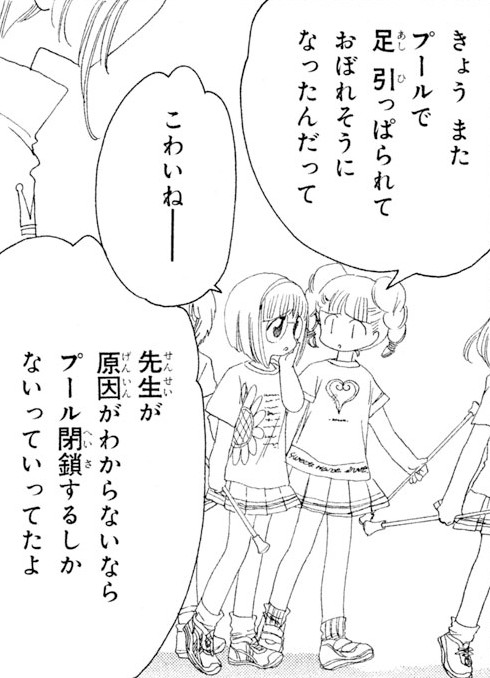
After cheerleading practice, Sakura overhears her friends talking about incidents at the school pool, where Sakura and Chiharu were among those mysteriously pulled underwater.
千春:
「きょう また プールで足 引っぱられておぼれそうになったんだって」
“I heard that today, someone got dragged under the water at the pool and almost drowned again.”
奈緒子:
「こわいねーーー」
“That's scary!”
千春:
「先生が原因がわからないならプール閉鎖するしかないっていってたよ」
“The teacher said that if they can't figure out the cause, they'll have no choice but to close the pool.”
Something keeps pulling students under at the school pool. Chiharu passes along what she heard: if they can’t find the cause, the teacher says they’ll have to close the pool. いってたよ, “(the teacher) was saying”, reports secondhand news, and よ points it at her friends.
Example 6 of 21: Chinese history lesson on talismans with 中国
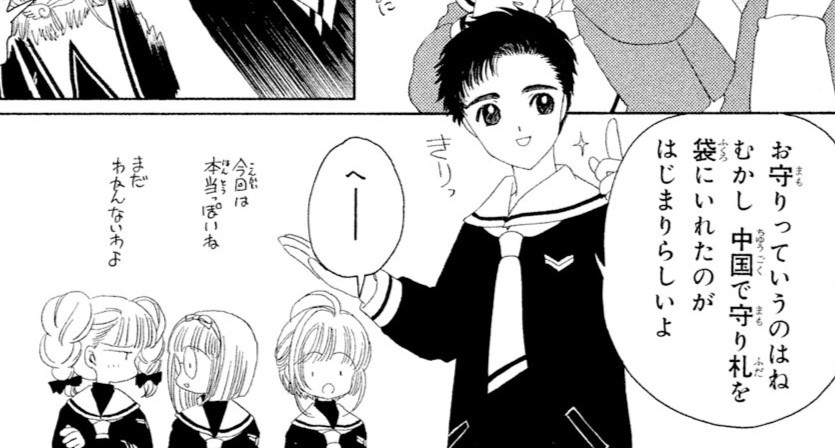
Sakura had to take a detour to get to class. She tells her friends at school about the shrine she saw along the way. Naoko says the talismans from there are popular, as they can grant wishes for things such as exams and romance.
山崎:
「お守りっていうのはね むかし 中国で守り札を袋にいれたのがはじまりらしいよ」
“You know, apparently good-luck charms began long ago in China, when people put protective talismans into bags.”
Sakura passed a shrine on the way to school, and Naoko says its charms grant wishes. Yamazaki launches into the history of charms: they began in ancient China. らしいよ, “apparently”, passes it on as something he’s heard. Yamazaki is known for tall tales, so Chiharu holds off with まだわかんないわよ.
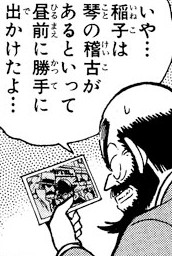
Hired to confirm whether a client’s wife is having an affair, Kogoro reveals a candid photo he took of the wife with another man. The client mentions he let his staff take a break so they wouldn’t know about Kogoro’s visit. Kogoro asks if that includes the client’s wife.
伝次郎:
「いや… 稲子は琴の稽古があるといって昼前に勝手に出かけたよ」
“No... Ineko said she had a koto lesson and went out on her own before noon.”
Kogoro is checking whether a client’s wife is having an affair, and he asks whether she’s home. The client tells him she went out before noon: 出かけたよ. よ marks it as the answer to Kogoro’s question.
Example 8 of 21: Thinking it's the motive with と思う
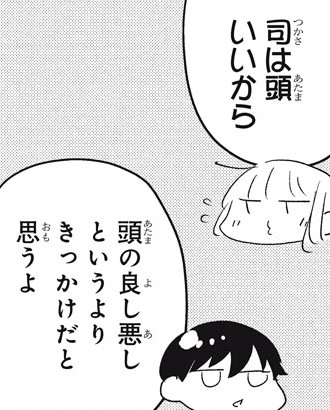
Makoto and Tsukasa meet to study for an upcoming test. When Makoto spends her study time complaining about it, Tsukasa asks if she hates studying. Makoto says it’s not that she hates it so much as it’s difficult. She asks if Tsukasa likes studying, and he says it’s fun to learn new things and connect them to his everyday life.
真:
「司は頭いいから」
“That's because you're smart.”
司:
「頭の良し悪しというよりきっかけだと思うよ」
“I think it's less about whether you're smart or not, and more about finding something that gets you interested.”
Makoto complains about studying, and Tsukasa says it’s fun to learn things and connect them to daily life. She says that’s because he’s smart. He disagrees: it’s about having a reason to care. 思うよ, “I think”, offers his opinion, and よ points it at her.
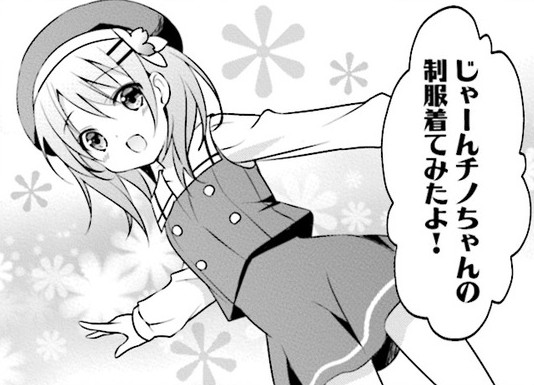
A storm has Cocoa staying in Chino’s room, and she has put on Chino’s middle school uniform. 着てみたよ!, “I tried it on!”, announces it with a flourish. よ makes it a reveal.
Example 10 of 21: Went and brought the wrong textbook with 〜ちゃう
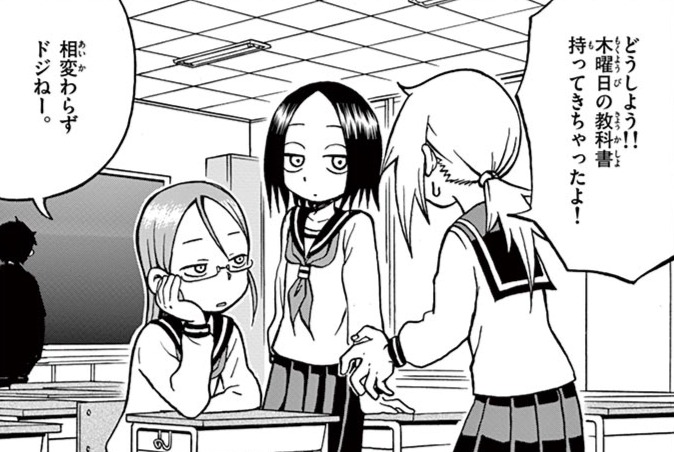
Mina has just found out that today is Friday. どうしよう, “what do I do?”, is followed by the bad news: she brought Thursday’s textbook. よ announces it to Yukari, who isn’t surprised.
Example 11 of 21: Corresponding letters of the alphabet with 相当
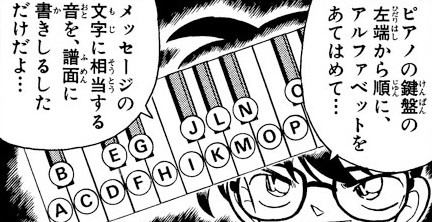
Conan explains the code hidden in the sheet music: letters assigned to the piano keys, and the notes for the message written into the score. だけだよ, “that’s all it is”, presents the trick as simple. よ is Conan telling Ran something she didn’t know.
Example 12 of 21: Did you come to get me with 〜んです
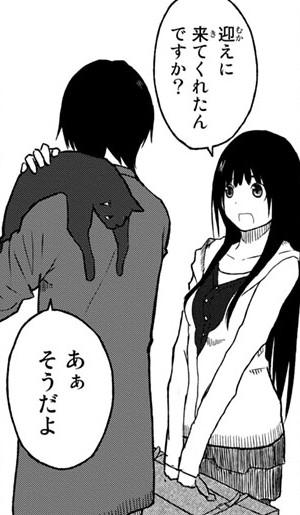
Makoto gets off the long-distance bus, and her cousin Kei is waiting. She asks if he came to pick her up, and he says yes: そうだよ, “that’s right”. よ confirms it for her.
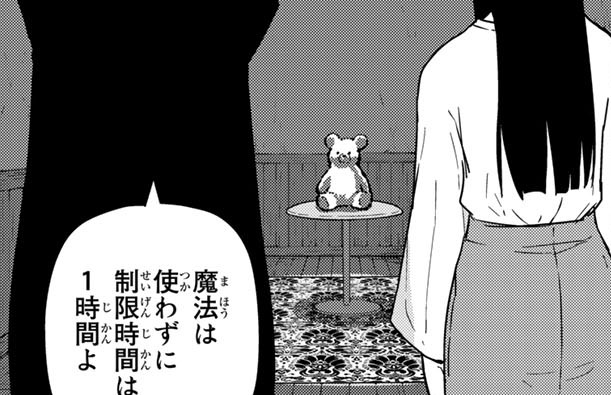
Makoto’s exam is to catch a stuffed bear that’s very good at escaping. The branch head explains the conditions: no magic and a one-hour time limit. He ends with 1時間よ, “you have one hour”. よ presents the time limit as information Makoto needs for the task.
Example 14 of 21: Securing drinking water was hard with 〜そうだ
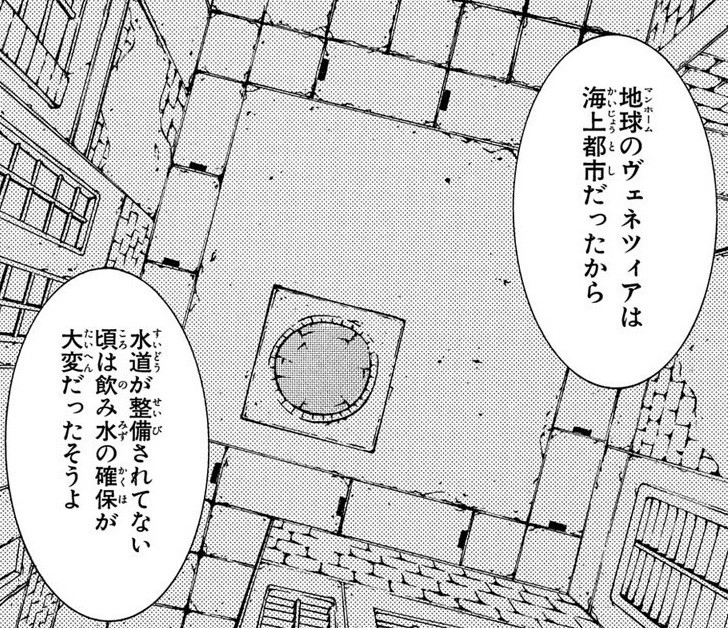
Al shows up late to meet Aika after working overtime, and the two walk the quiet streets at night. Aika climbs onto an old well in a plaza, its rotten cover gives way, and she drops in. Al reaches down to help her out and tumbles in after her. Luckily the well is dry. As Aika tries to climb the stone wall, Al remarks that the town’s wells have covers because no one uses them anymore.
アル:
「地球のヴェネツィアは海上都市だったから」
“Venice on Manhome was a city on the sea...”
「水道が整備されてない頃は飲み水の確保が大変だったそうよ」
“...so I hear getting drinking water was really hard back before they had a water system.”
Stuck in a dry well with Aika, Al has just said the town’s wells are covered because no one uses them. He adds some history she may not know: getting drinking water used to be hard. そうよ passes on what he heard, and よ hands it to Aika as news.
Example 15 of 21: No wonder it's cold with 道理で〜わけだ
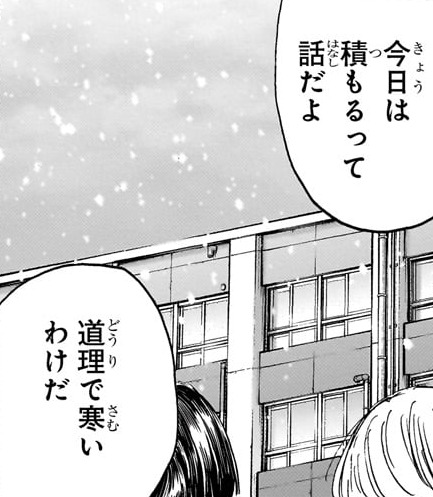
It’s December, three days before the Winter Cup, and the weather report has warned of a major cold wave with snow. As the basketball team heads to practice, snow starts to fall.
Snow starts falling as the basketball team heads to practice. One student tells her teammate the forecast: 今日は積もるって話だよ, “they say it’ll pile up today”. よ hands it over as news.
Example 16 of 21: Wanting an alluring older woman with 〜っぽい
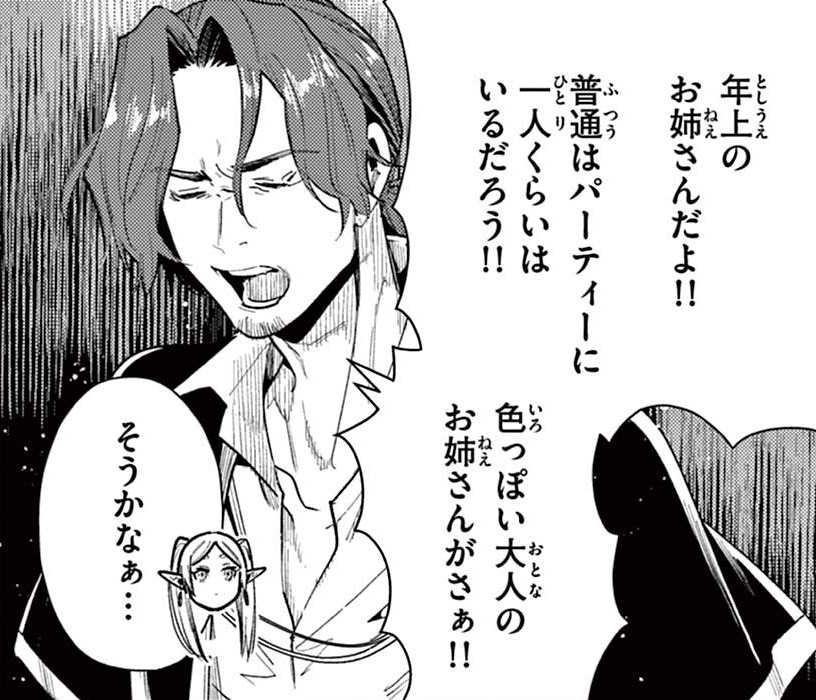
While the party walks through the hills of the northern lands, Sein says the party is missing something and asks the others what it is. Fern suggests a thief, since Frieren keeps falling for mimics, but Sein says what they lack is far more important.
Sein asks the party what it’s missing, and nobody guesses right. He gives the answer himself: 年上のお姉さんだよ!!, “an older woman!!” よ delivers the information the others didn’t have.
Example 17 of 21: Peeling a daikon Ayune's way with 皮を剥く
Mikochi’s older sister Ayune has turned up unannounced to stay. She brought a whole daikon for steamed daikon, far more than they need, and Mikochi puts her to work peeling it. Ayune agrees cheerfully, then takes a big knife to the daikon and slices it with a few hard chops.
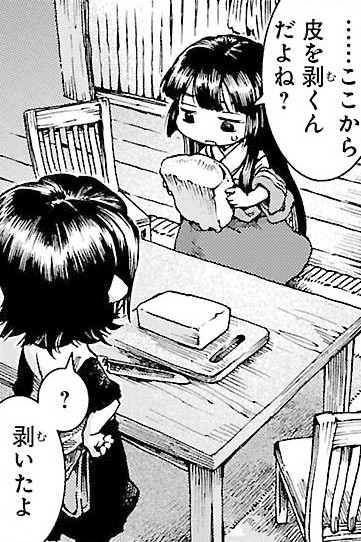
Ayune hacked thick slabs off a daikon, and her sister Mikochi asks whether she’s going to peel them next. Ayune answers 剥いたよ, “I already peeled it.” よ gives Mikochi news she didn’t expect, and Ayune’s ? shows she doesn’t see the problem.
Example 18 of 21: A matsutake that tastes of saury with 魚を焼く
A neighbor brought the family some matsutake mushrooms, and Maruko begged Mom to grill one on the stove. At dinner she takes her first bite and beams. Matsutake are a surprise, she says, delicious with a slight taste of saury.
お母さん:
「…魚を焼く網で焼いたからサンマの匂いが移っただけだよ」
“…I only grilled it on the net I use for grilling fish, so it picked up the smell of the saury.”
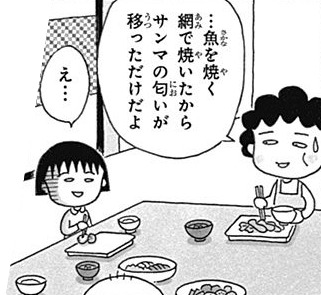
Maruko praises her matsutake for its slight saury flavor. Mom explains where it came from: she grilled it on the fish net, and the smell just rubbed off. よ gives Maruko news that spoils her compliment.
Example 19 of 21: Oden fixings fresh from the fryer with 揚げたて
Hakumei and Mikochi are showing Iwashi around the city and want to find a restaurant he’d like for dinner. Nothing works out. One place is too cramped for him, another is closed, and he wants nothing sweet for dinner. They give up and head into a busy street of food stalls.
店主Ⓐ:
「ハクメイ おでんダネ揚げたてだぜ」
“Hakumei! The oden fixings are fresh out of the fryer!”
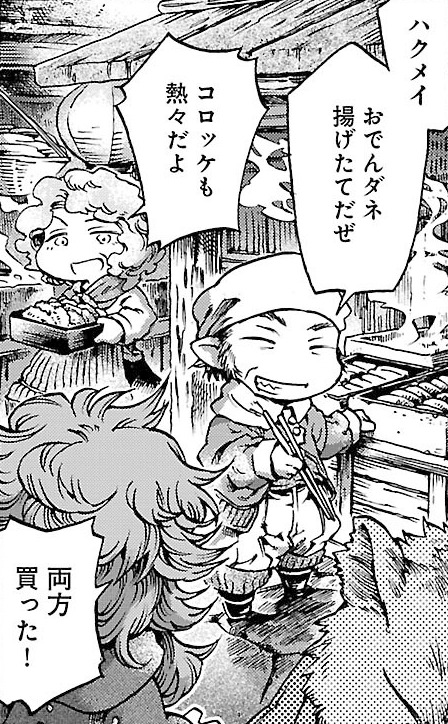
Two vendors call out to Hakumei on a street of food stalls. After the man pitches his fresh oden fixings, the woman adds コロッケも熱々だよ, “the croquettes are piping hot, too”. よ hands Hakumei news she can’t see from the street, and it works as a sales pitch.
Example 20 of 21: Passing the application screening with 書類選考
Some time ago, Sawatari photographed Meimi and sent the picture in to a cosmetics company that was looking for an image girl to promote its new shampoo. Now he runs up to her at school, calling out that he has big news about the contest.
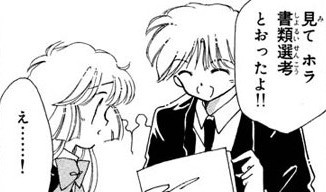
Sawatari sent Meimi’s photo in to an image-girl contest, and the result has just come. 書類選考とおったよ is “you passed the paper screening!” よ hands Meimi news she hasn’t heard yet.
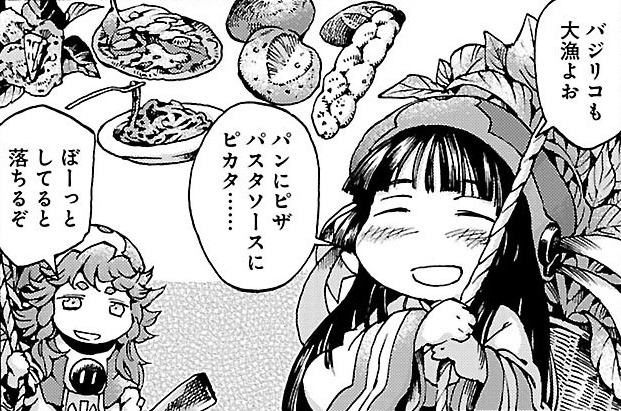
Hakumei and Mikochi are gathering wild herbs on a steep, rocky slope, climbing with ropes. When Hakumei calls over to ask how it’s going, Mikochi says she’s doing well, and the two agree that herbs from rocky hillsides have a good fragrance.
Hakumei and Mikochi are gathering wild herbs on a rocky slope. Mikochi calls out her progress: バジリコも大漁よお, “a big haul of basil, too!” よ reports the news to Hakumei, and the stretched お shows how pleased she is.
Sharing Feelings
よ can share a feeling or an evaluation, such as 嬉しいよ, “I’m happy”, or おいしかったよ, “it was delicious”. The speaker may be thanking someone, complaining, or inviting a friendly exchange.
The listener might already recognize the feeling. よ still fits when the speaker wants to express it directly. A complaint about being tired or a compliment on someone’s cooking does more than report an unknown fact.
1 source
the speaker reports his own emotion, feeling, or impression.
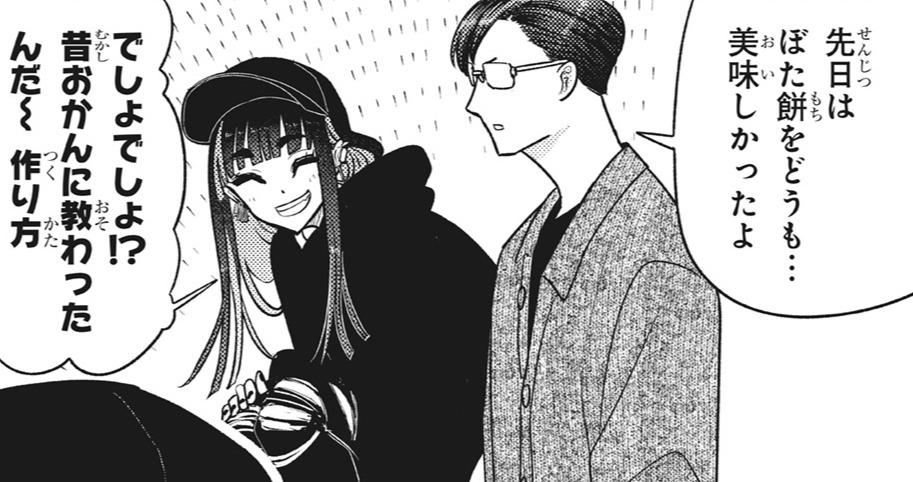
Kumada’s neighbor gave him botamochi when she made too much. Seeing her in the park days later, he tells her they were delicious. よ accompanies his appreciative report. Her でしょでしょ!?, “right?!”, shows that she already expects him to agree about their quality. He is sharing how much he enjoyed them.
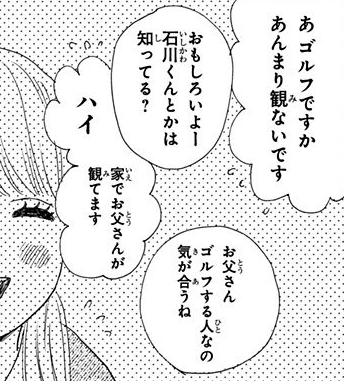
Takeo’s girlfriend Rinko visits to study with him, but Takeo’s parents take turns interrupting them to get to know her better. Takeo’s father, Yutaka, asks if she watches golf.
凛子:
「あ ゴルフですか。あんまり観ないです」
“Ah, golf? I don't watch a lot of it.”
豊:
「おもしろいよー!石川くんとかは知ってる?」
“It's fun! Do you know about Ishikawa-kun?”
凛子:
「ハイ。家でお父さんが観てます」
“I do. My father watches it at home.”
豊:
「お父さん ゴルフする人なの。気が合うね」
“So your dad's a golf guy. We're kindred spirits, eh?”
Takeo’s father, Yutaka, asks Rinko if she watches golf. She doesn’t watch much, so he recommends it: おもしろいよー!, “it’s fun!” His praise and follow-up question make this an enthusiastic attempt to get her interested. The long よー records a stretched ending.
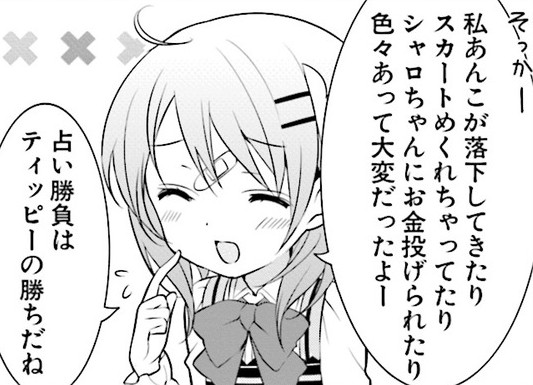
Cocoa’s fortunes for Chino and Rize didn’t come true, so she reports her own bad luck. 大変だったよー, “it was rough”, shares her reaction to the day. The list of mishaps makes it a complaint, and よー draws out the ending.
Example 4 of 5: That schoolhouse over there with あれ
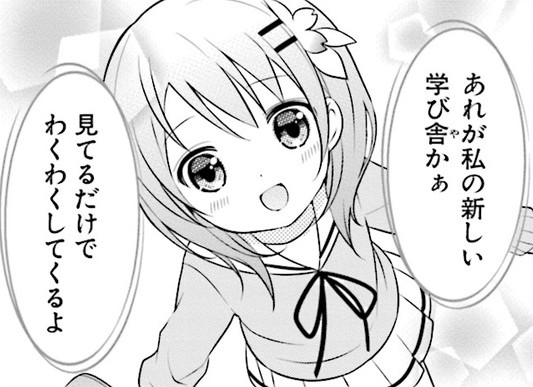
Chiya has brought Cocoa to see her new school. 見てるだけでわくわくしてくるよ, “just looking at it gets me excited”, shares Cocoa’s excitement with Chiya. よ suits this direct expression of a feeling, whether or not Chiya can already tell how excited she is.
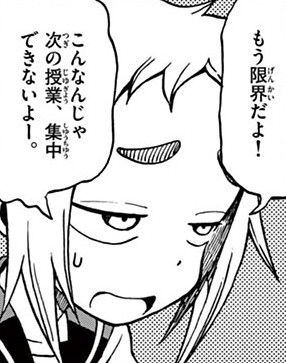
Mina is starving, and Yukari reminds her there’s still one more class before lunch. もう限界だよ, “I’m at my limit!”, and 集中できないよー, “I won’t be able to focus”, express Mina’s frustration to Yukari. These よ endings help deliver a complaint about how she feels.
Announcing Plans and Offering Help
A statement with よ can announce what the speaker intends to do: 私がやるよ, “I’ll do it”. The speaker is committing to an action or offering to take it on.
A statement can also suggest help indirectly. 道を知っていますよ, “I know the way”, can offer guidance when someone needs directions. Whether that sounds considerate or intrusive depends on whether the help is welcome.
Compare 行くよ, “I’m going”, with 行こうよ, “let’s go”. The second uses the volitional to invite someone along.
1 source
is used in utterances where the speaker explains his intention or plan.
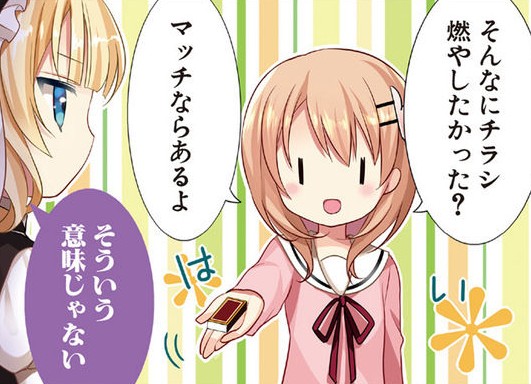
Cocoa sees Syaro handing out advertisement fliers. When Syaro says she can’t go home until she’s done with them, Cocoa likens her to the fabled little match girl.
ココア:
「そんなにチラシ燃やしたかった?」
“Did you really want to burn the fliers that badly?”
Syaro can’t go home until she has handed out all her flyers, so Cocoa compares her to the little match girl. マッチならあるよ, “I’ve got matches”, presents something Cocoa could provide. Syaro’s reply shows that the proposed help misses the point. A statement with よ can offer help indirectly, even when the offer is unwelcome.
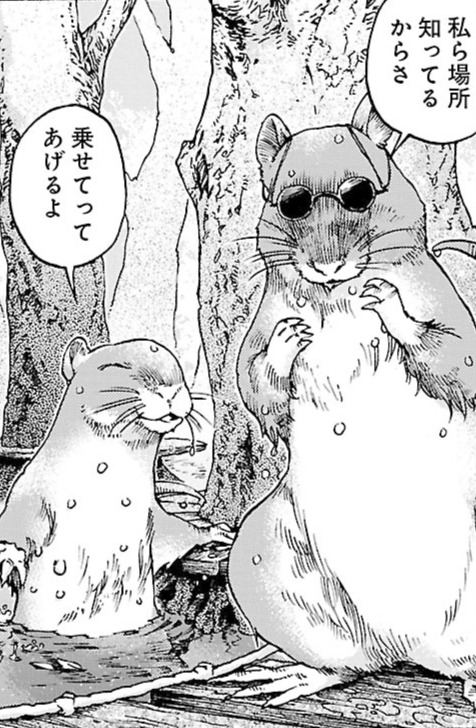
Hakumei and Mikochi can’t find the café they’re looking for, and two rodents surface from the water nearby. They know where it is and offer 乗せてってあげるよ, “we’ll give you a ride”. This is a friendly offer to act for the pair’s benefit. よ helps present it to them directly.
Example 3 of 5: Finishing her noodles for her with 〜きれない
Nishikata, Takagi, and their daughter Chii stop at a restaurant that serves fresh soumen noodles. Nishikata orders a large serving, and Chii asks for a large one too.
It’s Mother’s Day, and Maruko has a present ready for Mom. Her older sister suggests the two of them cook a feast to surprise her. She announces the menu, sandwiches, gratin, and dessert, and Maruko can’t believe she knows how to make all that.
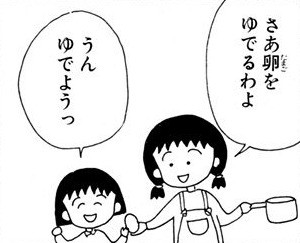
Maruko’s older sister is leading her through a surprise Mother’s Day feast. さあ卵をゆでるわよ, “all right, we’re boiling the eggs”, announces the next step of the plan. わよ is the feminine form of よ.
Example 5 of 5: Taking the star jam off the heat with 火を止める
Mira and her master are making jam from stars that fell into the clouds. The master stirs the stars and sugar in a pot until they begin to melt, then lets Mira take over. As she stirs, a glint streaks through one of the melting stars, and she says it looks like a shooting star.
師匠:
「星の中に小さな星が見えたろう」
“You saw little stars inside the star, didn't you?”
「その星が溶けないくらいで火をとめるよ」
“We take it off the heat before those stars melt.”
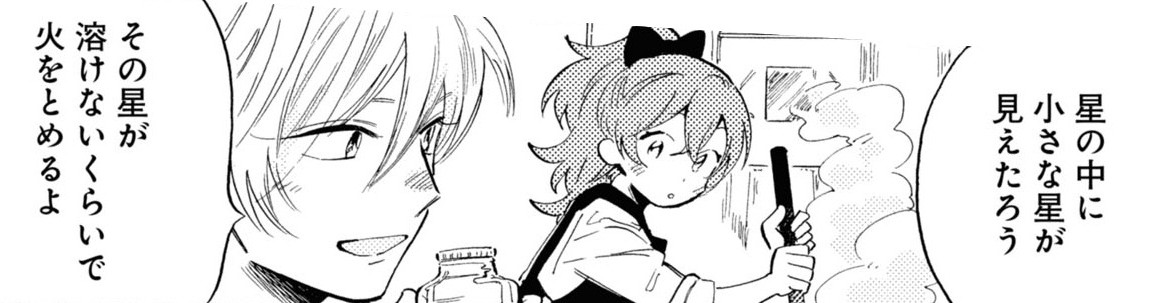
Mira’s master is teaching her to make star jam. 火をとめるよ, “we take it off the heat”, announces the next step, and よ gives it to Mira as something she needs to know.
Explaining with んだよ
んだよ combines explanatory んだ with よ. It often supplies a reason or background, or presents something the speaker especially wants the listener to understand.
今日は休みなんだよ。
It’s my day off, you see.
The polite form is んですよ. のよ is a related pattern associated with feminine speech. A sentence with んだよ need not give a cause: it can also insist on a situation or tell someone what to do. Read the whole line to identify the speaker’s purpose.
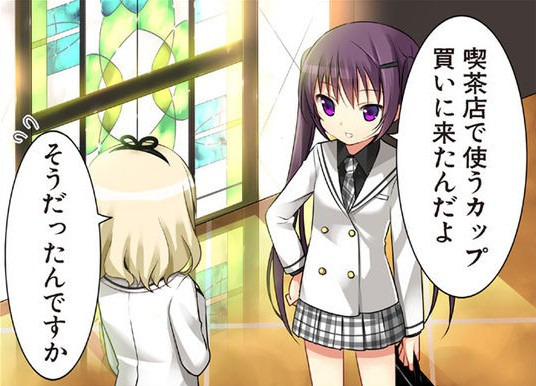
Syaro runs into Rize and the others at a shop and wonders what they’re doing there. Rize explains that they came to buy cups for the café. んだよ gives the reason, and Syaro’s そうだったんですか takes it in.
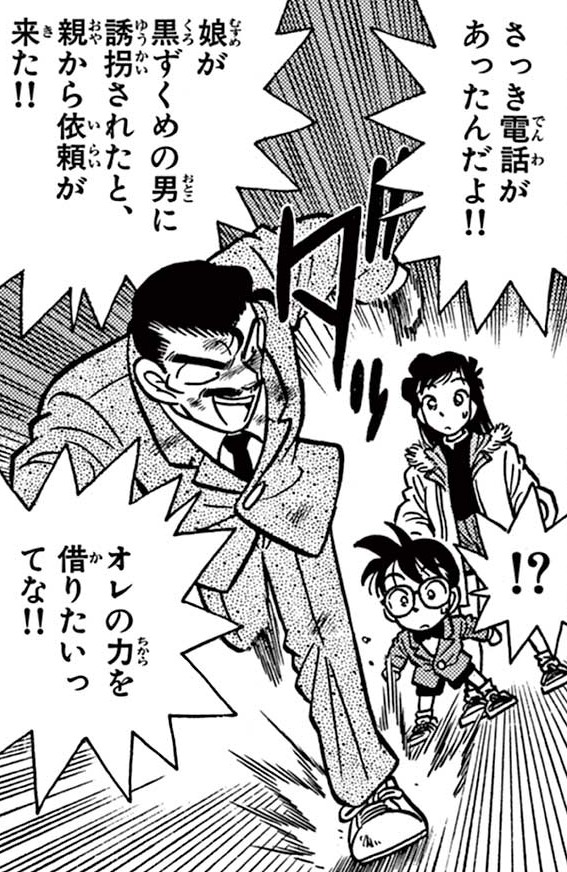
At Professor Agasa’s request, Ran takes Conan home to see if her father will let him stay over for a while. When they reach Ran’s place, her detective father bursts out of the front door, saying he’s heading out on a job.
小五郎:
「さっき電話があったんだよ!!」
“I just got a call!!”
「娘が黒ずくめの男に誘拐されたと、親から依頼が来た!!」
“A request came from the parent, saying his daughter was kidnapped by a man dressed in all black!!”
Ran brings Conan home, and her father, Kogoro, comes bursting out the door. He explains why he’s in such a hurry: さっき電話があったんだよ, “I got a call just now”. A girl has been kidnapped, and her parents want his help.
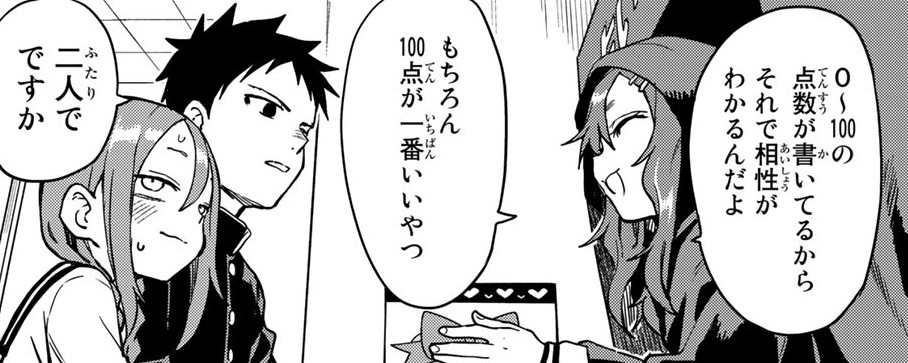
At the school festival, Ayumu and Urushi stop by the affinity fortune telling booth while Maki is on duty. Maki holds out a box with an opening on top, and says they need to pull out a single card together.
マキ:
「0〜100の点数が書いてるからそれで相性がわかるんだよ」
“Your compatibility is determined by the score written from 0 to 100.”
At the school festival, Ayumu and Urushi stop by the compatibility fortune booth where Maki is working. She explains how it works: each card has a score from 0 to 100, and that tells you your compatibility. んだよ walks them through the rules.
Example 4 of 11: Don't want you to misunderstand with 〜ないでほしい
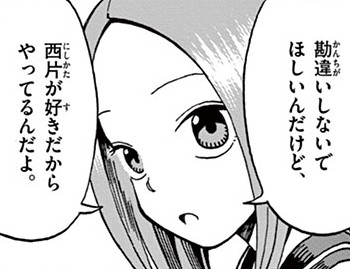
Takagi’s prank on Nishikata fell flat, and she asks whether he dislikes being teased. Then she explains 西片が好きだからやってるんだよ, “I do it because I like you”. んだ presents her explanation for the teasing, and よ addresses it directly to Nishikata.
Example 5 of 11: Bothersome to try new things with 億劫
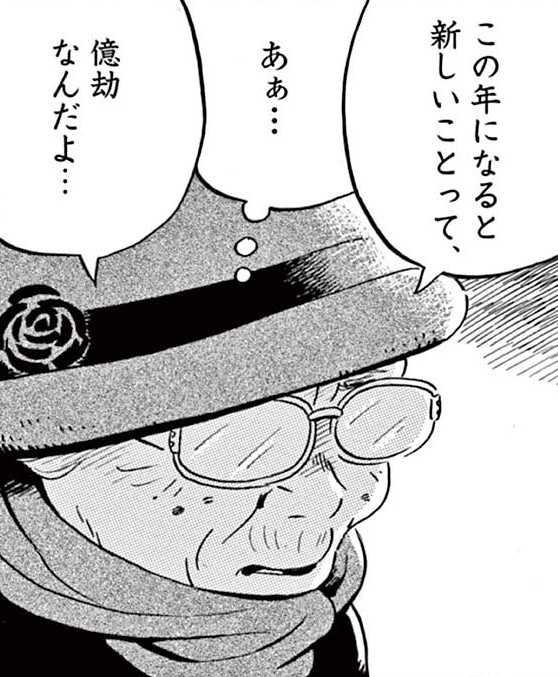
At dusk, Hanae takes the bus to the grocery store to buy ingredients for dinner. There she encounters Hiroto, doing the same on his way home from work. Hiroto says he rode his motorcycle today and can give Hanae a lift home. She refuses, as she’s never ridden on a motorcycle before.
Hiroto offers Hanae a ride home on his motorcycle, but she has never ridden one. She explains that at her age, new things are a hassle. 億劫なんだよ gives her reason for turning down the ride. The explanation comes from なんだ, with よ addressing it to Hiroto.
Example 6 of 11: Getting on one's nerves with 気に食わない
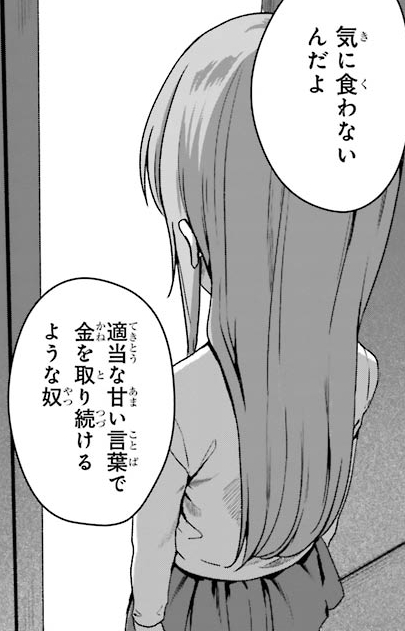
Following the death of their parents, Kanami’s big brother Kazutaka became secluded and abusive. Kanami begins to spend time with Makoto, a “rental big brother” whose advice gives her hope in restoring her brother’s former kindness. Kazutaka rebukes her attempts, suggesting that Makoto’s filling her with nonsense ideas.
一敬:
「気に食わないんだよ」
“He gets on my nerves.”
「適当な甘い言葉で金を取り続けるような奴」
“He's the kind of guy who keeps taking (rental) money while spouting alluring words.”
Kanami has been spending time with Makoto, a rental big brother, hoping to bring back her brother’s old kindness. Kazutaka will have none of it. 気に食わないんだよ, “he gets on my nerves”, gives his reason flatly. Here んだよ sounds hostile, not helpful.
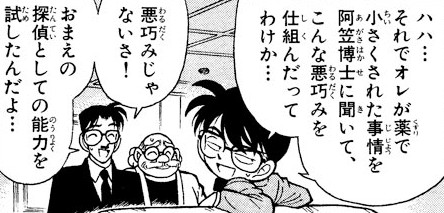
Example 7 of 11: Testing one's detective ability with 能力
Conan was grabbed by a dangerous-looking pair who turned out to be his parents in disguise. He calls it a scheme, and his father explains 試してんだよ, “I’m testing you”. This is short for 試しているんだよ. んだ gives his account of the setup, and よ directs it at Conan.
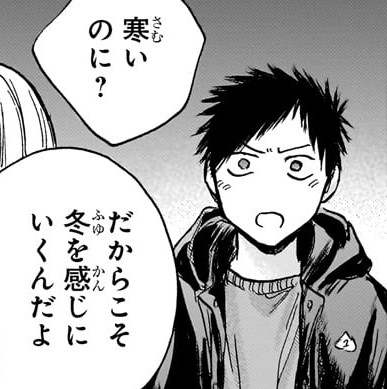
Example 8 of 11: That's exactly why I'm going for a walk with 〜だからこそ
Taiki gets home as Chinatsu is heading out for a walk, and he points out that it’s cold. That’s the point: だからこそ, “that’s exactly why”, and 冬を感じにいくんだよ, “I’m going out to feel the winter”. んだよ explains her reason.
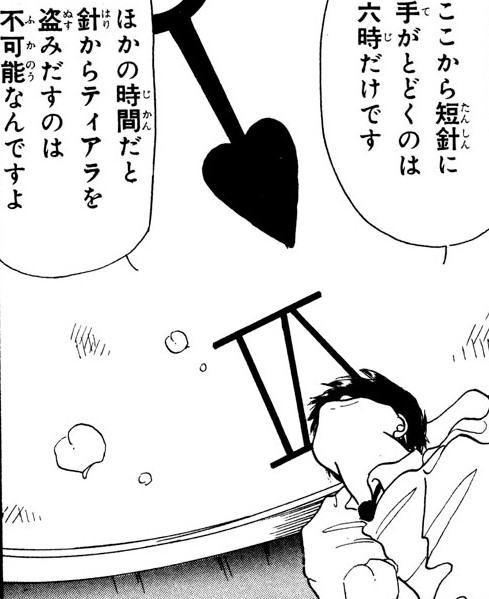
Example 9 of 11: Hidden behind the short hand with 短針
Asuka Jr. is tasked with guarding a jeweled tiara, which Saint Tail has stated her intention to steal. The owner tells Asuka Jr. it’s been hidden behind the short hand on a clock tower, so Asuka Jr. waits below the face of the clock for Saint Tail’s arrival. He tells the owner that Saint Tail will likely arrive precisely at 6 o’clock.
アスカ Jr.:
「ここから短針に手がとどくのは六時だけです」
“The hour hand is only within reach from here at six o'clock.”
「ほかの時間と針からティアラを盗みだすのは不可能なんですよ」
“At any other time, it would be impossible to steal the tiara from the hand, you see.”
Saint Tail has announced she’ll steal a tiara hidden behind the hour hand of a clock tower. Asuka Jr. explains to the owner why she’ll come at six: that’s the only time the hand is in reach. 不可能なんですよ, “it’s impossible”, is the polite んですよ.
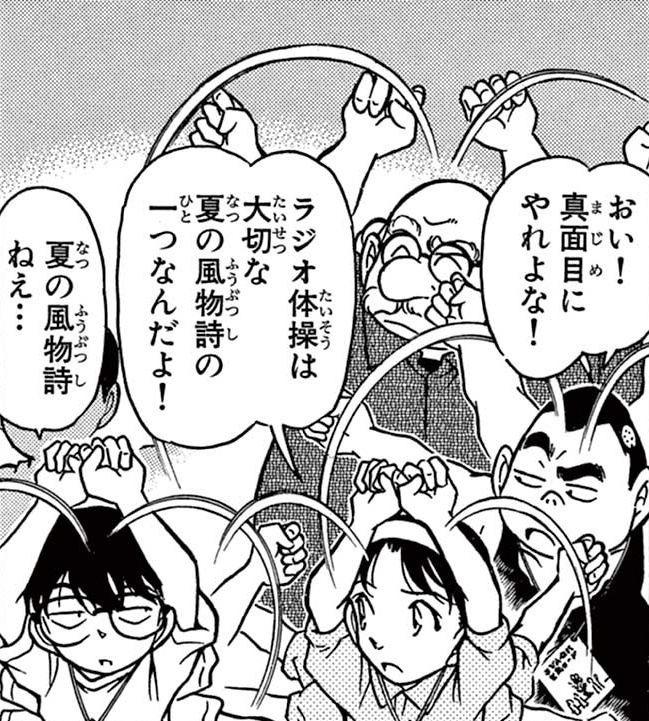
Conan has joined the other children for radio exercises at school. As everyone follows the routine, he broods over how he should be enjoying his summer vacation as a second-year high school student. Instead, he is stuck exercising with elementary schoolers and wonders what he is doing there.
元太:
「おい! 真面目にやれよな!」
“Hey! Take this seriously!”
歩美:
「ラジオ体操は大切な夏の風物詩の一つなんだよ!」
“Radio exercises are one of those treasured signs of summer!”
Conan is unimpressed by the radio exercises, and Ayumi explains their importance as a summer custom. In 一つなんだよ, んだ gives the explanation and よ presses the point for Conan to understand.
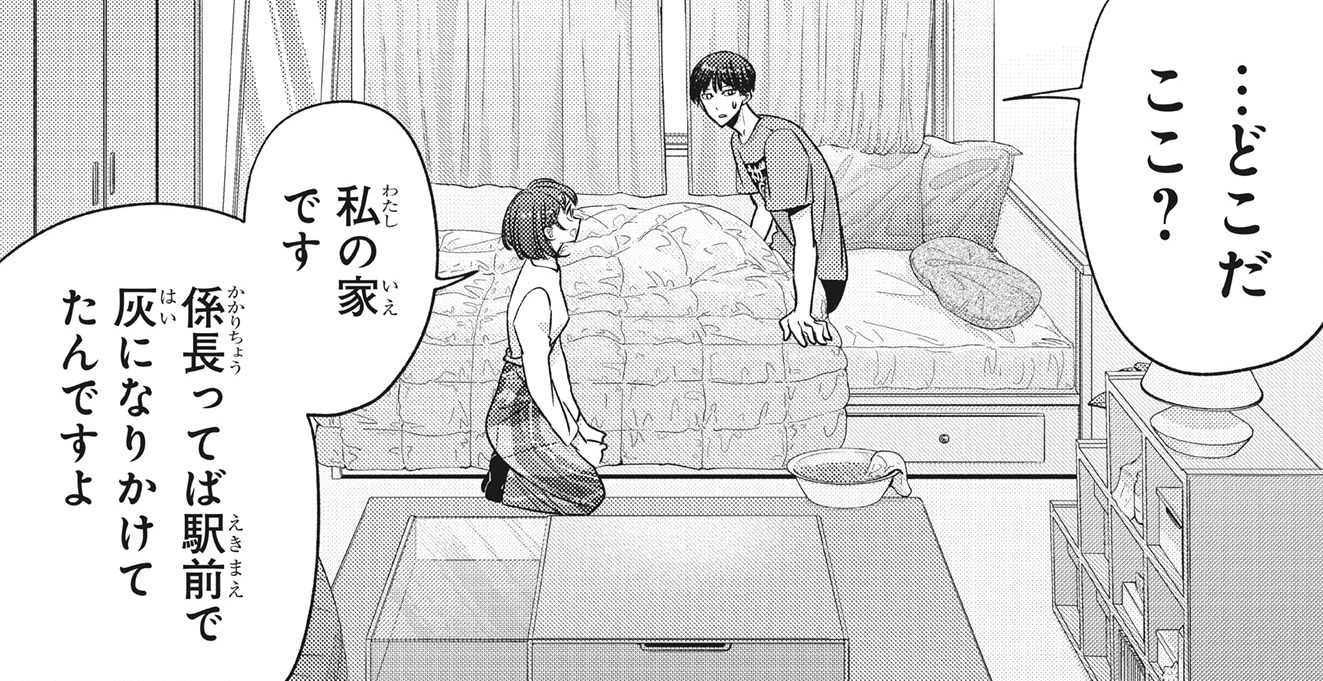
Kumada, a section chief who avoids other people, has spent the night being dragged into one subordinate’s home after another. Worn out, he slumped on the steps by the station, where Akagi, another of his subordinates, found him. He passed out, and he has just woken up in a bed he doesn’t recognize.
熊田:
「…どこだここ?」
“…Where am I?”
赤城:
「私の家です 係長ってば駅前で灰になりかけてたんですよ」
“My place. Honestly, sir, you were about to turn to ash outside the station.”
Kumada wakes up at Akagi’s place with no memory of getting there. 灰になりかけてたんですよ, “you were about to turn to ash”, is the polite んですよ: it explains what happened and tells him something he didn’t know.
Warnings and Reminders
よ can point out something the listener has missed, such as 落としましたよ, “you dropped something”. It can also remind someone of a known rule or a problem they are ignoring. The listener does not have to be learning the fact for the first time.
For example, 明日は試験だよ, “the exam is tomorrow”, can remind a friend to study. In 〜ちゃだめだよ, “you mustn’t…”, the prohibition comes from ちゃだめだ, while よ addresses the warning to the listener.
1 source
知っているはずの聞き手に注意を喚起する
Drawing the attention of a listener who is expected to know it already.
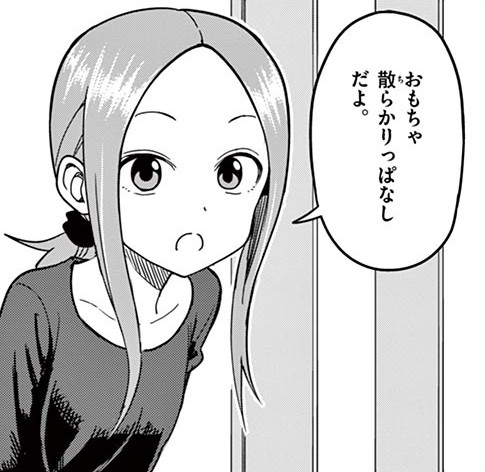
Chii’s mother comes into the room and sees toys everywhere. 散らかりっぱなし is “left scattered”, and だよ points it out, the way parents do. She isn’t just describing the room. She wants it cleaned up.
Example 2 of 7: Because this is chance encounter with 〜ので
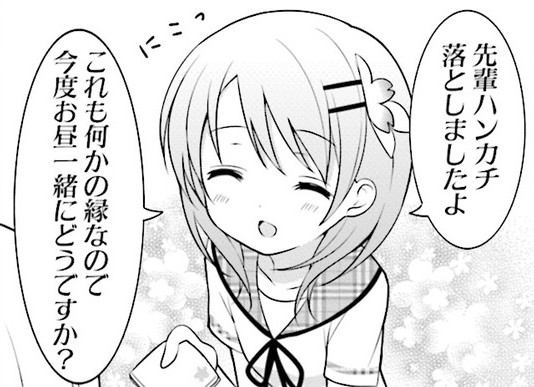
Cocoa picks up a handkerchief another student dropped, and she sees a chance to show Chiya the “devilish” side they talked about. 落としましたよ, “you dropped this”, is the textbook friendly warning. Her next line invites the senpai to lunch.
Example 3 of 7: Don't leave your vegetables 〜てはだめだ
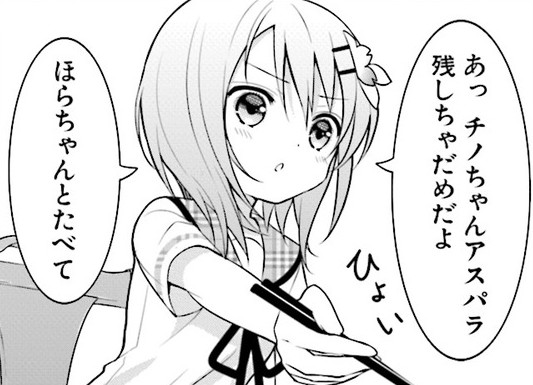
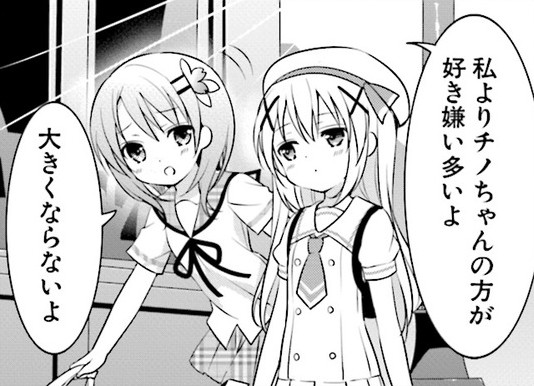
Chino left food untouched at breakfast, and Cocoa brings it up on the way to school: Chino is pickier than she is. 大きくならないよ, “you won’t grow”, is the warning that goes with it. Chino worries about her height, so it stings.
Example 5 of 7: Don't underestimate bread-baking with 〜てはいけない
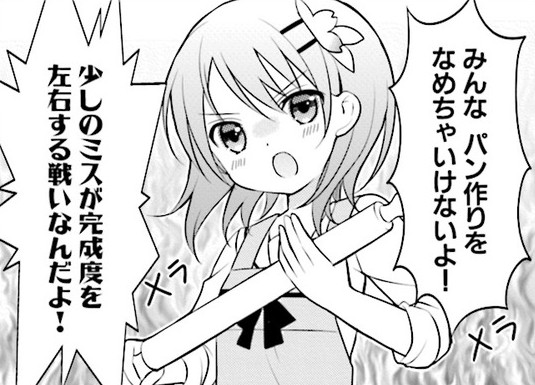
Cocoa is about to teach her friends to bake bread, and she warns them not to take it lightly. なめる is “underestimate”, and 〜ちゃいけないよ is “you mustn’t”. Her next line, 戦いなんだよ, explains why: one small mistake can ruin the result.
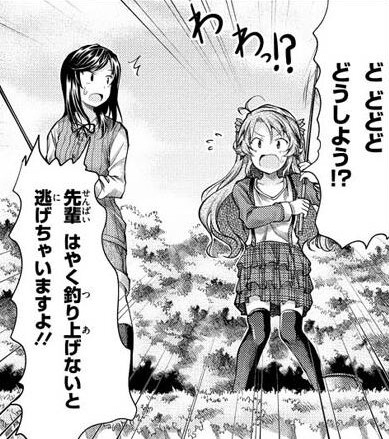
Example 6 of 7: Reeling it in before it escapes with 釣り上げる
Natsumi’s mother has offered her pocket money to catch some creatures for a pond, so Natsumi has dragged everyone out to go fishing. As Komari waits with her line in the water, her rod suddenly jerks, and she cries that she might have hooked a fish.
Koharu is playing Snow White in the school’s welcome play, with Tsuzuki as the prince. Tsuzuki has kept his distance from his mother and her new family, and Koharu invited them to watch. Midway through, she stops the play and announces that Snow White won’t live with the dwarfs or the prince. She will go home to the castle where her mother lives.
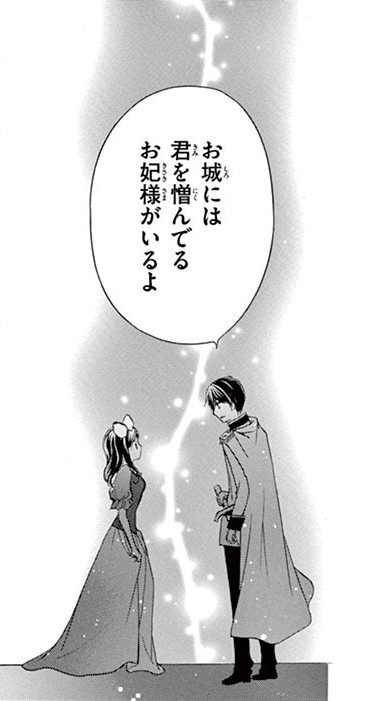
Koharu, as Snow White, announces that she’ll go home to her mother’s castle. Tsuzuki, as the prince, points out the problem she seems to be ignoring: the queen who hates her lives there. よ pushes the warning at her.
Reassuring and Encouraging
大丈夫だよ, “it’s all right”, can reassure someone who is worried. 君ならできるよ, “you can do it”, encourages them to try. よ presents the speaker’s confidence as something the other person can rely on.
Even a command with よ can be supportive. With an encouraging rise, 頑張れよ can mean “give it your best!” A reproachful delivery can make the same words sound like a demand to try harder. The wording alone does not fix the tone.
1 source
「がんばれよ↑」という上昇イントネーションなら明るい励まし
With rising intonation, "ganbare yo" is cheerful encouragement.
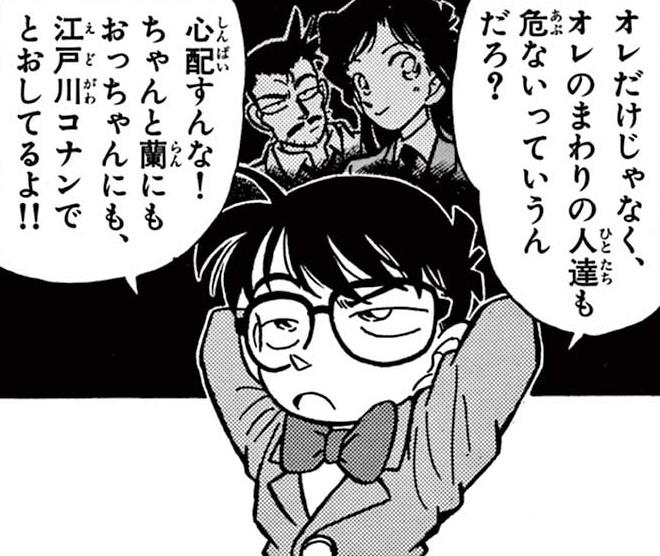
After Shin’ichi was forced to take a deadly drug that instead shrank him back to a child, he took on the undercover name Conan and went to stay with his childhood friend Ran and her detective father in the hope of a lead to the black-clad men who drugged him. He later discusses with Professor Agasa about how useless Detective Mouri is. The professor reminds Conan that the poison was supposed to have killed him, so he can’t rush and let others know his true identity.
コナン:
「オレだけじゃなく、オレのまわりの人達も危ないっていうんだろ?」
“You're saying it won't be just me, but the people around me will be in danger too, right?”
「心配すんな!ちゃんと蘭にもおっちゃんにも、江戸川コナンでとおしてるよ!!」
“Don't worry! I'm keeping up the Conan Edogawa act with Ran and the old man, too!!”
Professor Agasa reminds Conan that revealing who he is would endanger the people around him. Conan reassures him with 心配すんな, “don’t worry”, then says he’s been keeping up the Conan Edogawa act with Ran and her father. とおしてるよ presents what he’s doing as a reason Agasa can stop worrying.
Example 2 of 2: Feeling discouraged after being turned down for a job with 気を落とす
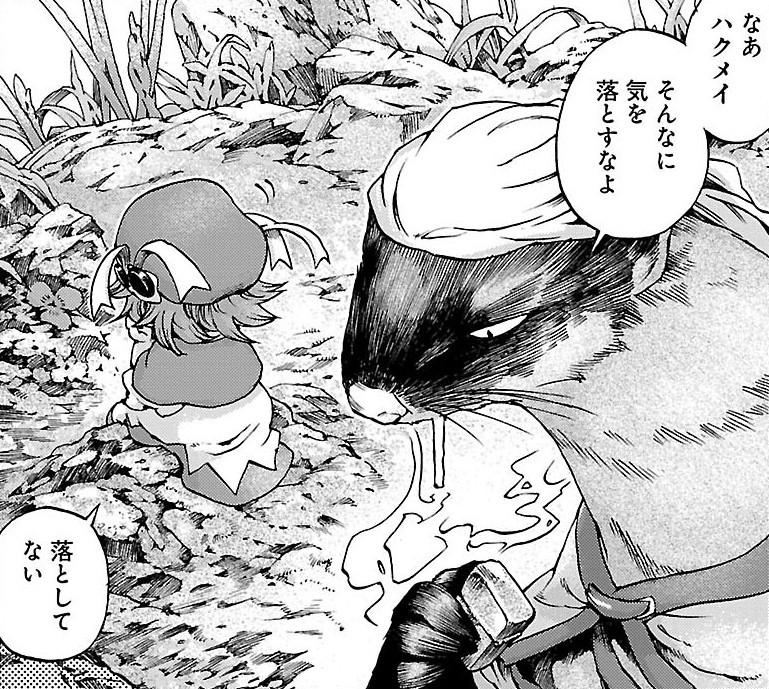
Hakumei hoped to help restore a stone wall, but the guild chairman turned her down. Iwashi tells her そんなに気を落とすなよ, “don’t be so down”. This is dictionary-form 落とす plus prohibitive な and よ. In this scene it offers comfort; the same formation need not always sound gentle.
Insisting
When someone doubts, よ can reinforce a correction or insist on the speaker’s position. 本当だよ, “it’s true, I’m telling you”, is one example.
The point may have been said already. Repeating it with よ can press the listener to accept it, rather than introduce new information.
1 source
判断・主張・感情などを強めて
Strengthening judgments, assertions, feelings, and the like.
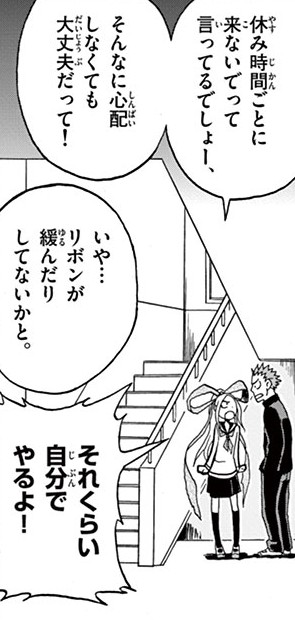
Due to concern about his sister’s ribbon, which seals away her need to attack people for their blood, Kenji takes every opportunity he can to check up on her at school.
キョーコ:
「休み時間ごとに来ないでって言ってるでしょー、そんなに心配しなくても大丈夫だって!」
“I'm telling you, you don't need to check up on me every break period. I'll be fine even without you worrying about me!”
ケンジ:
「いや… リボンが緩んだりしてないかと。」
“No, I'm just checking whether your ribbon's come loose.”
Kenji keeps coming to check on his sister Kyouko at every break, worried about the ribbon that seals her urge to bite people. She has already told him to stop. 自分でやるよ!, “I can do that myself!”, pushes back, and よ insists she can manage.
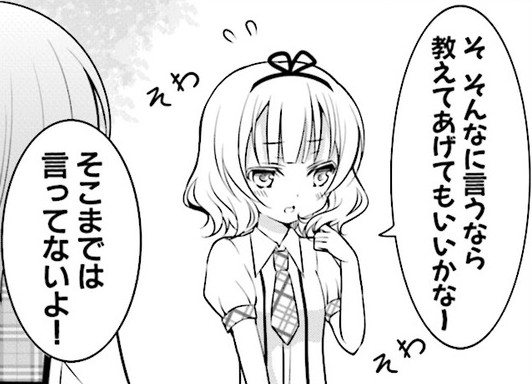
Syaro acts as if the others begged her to teach them, when nobody asked at all. Cocoa corrects her: そこまでは言ってないよ, “I didn’t say all that!” よ pushes back on Syaro’s version.
Example 3 of 10: Do you believe such about our customers with 〜でしょう
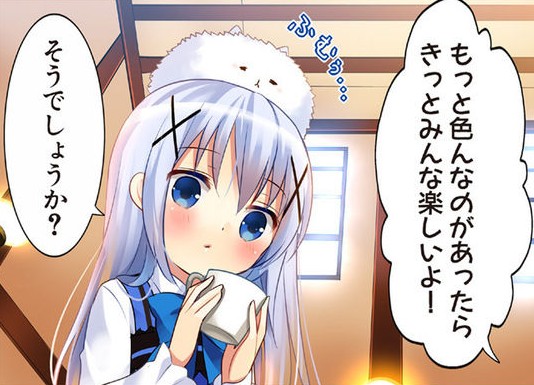
Cocoa thinks Rabbit House’s cups are too plain. If they had more kinds, everyone would surely enjoy it: きっとみんな楽しいよ. よ argues her case, and Chino isn’t convinced.
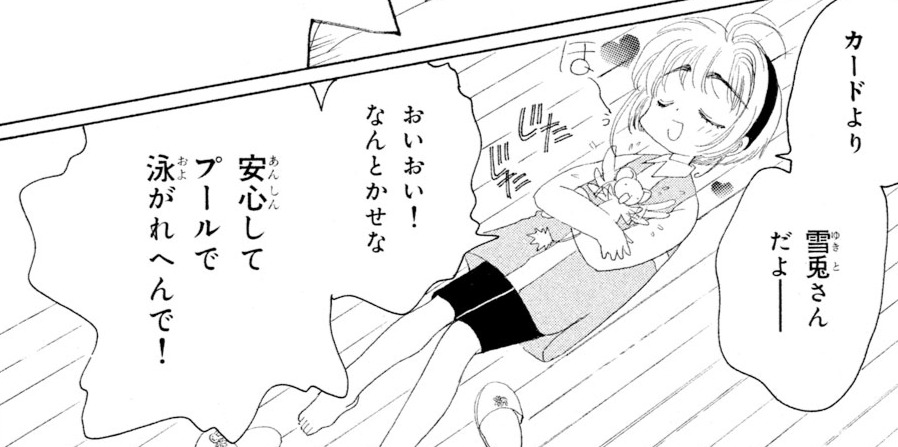
Sakura and Kero are supposed to discuss a Clow Card causing problems at the elementary school. After taking her homemade pancakes to her brother and Yukito, Sakura’s happiness over making something for Yukito overtakes her concern of Clow Cards. Kero tries to get her back on track.
Sakura is supposed to deal with a Clow Card, but she’s absorbed in her happiness about making pancakes for Yukito. カードより雪兎さんだよーーー, “Yukito matters more than the cards!”, declares her priorities. よ addresses her point to Kero, and ーーー draws out the ending as he tries to get her back on track.
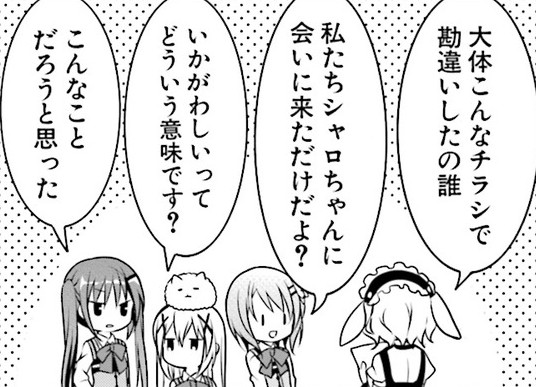
A flyer made Cocoa and the others think Syaro’s workplace was something shady, and Syaro wants to know who misread it. Cocoa replies 会いに来ただけだよ?, “we only came to see you”. The reply and its question mark suggest surprise at Syaro’s accusation. The statement with よ seeks a response without becoming an ordinary question about their reason for coming.
Detective Kogoro gives a young woman a ride home in exchange for concert tickets. While waiting for her to get the tickets, Kogoro notices the livingroom is filled with pop star posters.
小五郎:
「ヨーコちゃんに安斎明日香にTWO―MIXに星野輝美…」
“There's Yoko, and Asuka Anzai, and Two-Mix, and Terumi Hoshino...”
「すげーな!解散しちまったレックスのもあるぞ!!」
“Amazing! There's even the disbanded group Lex!”
コナン:
「そんなに知ってるあんたもスゲーよ…」
“It's also amazing that you know that much about them...”
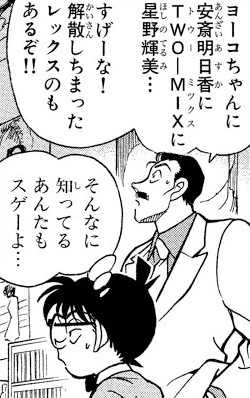
Kogoro is waiting in a young woman’s living room, naming every pop star on the posters. Conan’s retort: そんなに知ってるあんたもスゲーよ, “you’re pretty amazing too, knowing all that”. スゲー is a rough すごい, and よ makes the jab.
Example 7 of 10: Gotten all warped from playing video games with 〜じゃう
Sacchan tries crawling on the ground to help find the cat that’s been stealing from the area lately. Kotoha takes this opportunity to step on Sacchan’s head.
さっちゃん:
「歪みすぎだよ!」
“You're way too twisted!”
「琴ちゃんゲームばっかりやってるからそんな風に歪んじゃうんでしょ!」
“It's 'cause you only ever play video games, Koto-chan, that's why you've gotten all warped like that!”
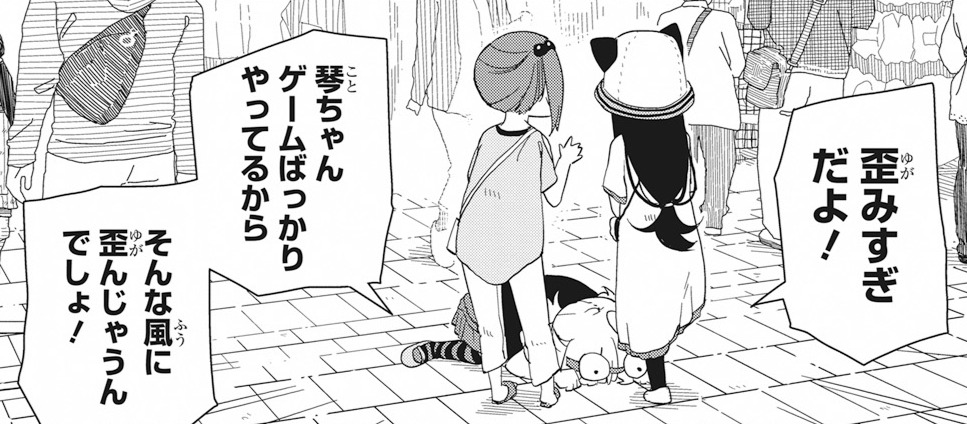
Sacchan is crawling on the ground to look for a cat, and Kotoha steps on her head. 歪みすぎだよ, “you’re way too twisted!”, fires back, and the next line blames video games.
Example 8 of 10: Seeing a comet with the naked eye with 肉眼
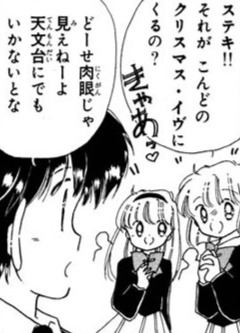
Ryouko is thrilled that a comet will pass Earth around Christmas Eve. Asuka Jr. deflates her: どーせ肉眼じゃ見えねーよ, “you won’t see it with the naked eye anyway”. 見えねー is a rough 見えない, and よ insists, the way a know-it-all would.
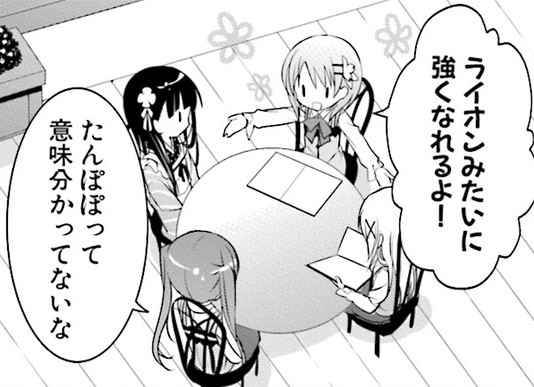
The group is having tea at Syaro’s workplace, and Cocoa recommends Dandy Lion, a dandelion tea. ライオンみたいに強くなれるよ, “you’ll get strong like a lion!”, sells it with full confidence. Rize points out that she doesn’t know what “dandelion” means.
Example 10 of 10: Too much to carry alone with 〜きれない
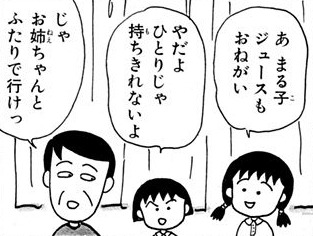
Her sister wants a juice on top of Dad’s beer. Maruko refuses with やだよ and backs it up with ひとりじゃ持ちきれないよ. Each よ presses her position on her sister.
Urging Action
After requests, よ can urge the listener to act.
行こうよ and 行きましょうよ both invite someone to go. ちゃんと聞いてよ, “listen properly”, could be a hurt appeal or an irritated demand.
Two different formations end in なよ. Verb stem plus なよ tells someone to act: 食べなよ, “go on, eat”, with な short for なさい. Dictionary form plus なよ prohibits an action: 食べるなよ, “don’t eat”. Check the verb form before deciding what the speaker wants.
3 sources
願望・依頼・禁止の意を強めて表す。
Expressing wishes, requests, or prohibitions more strongly.
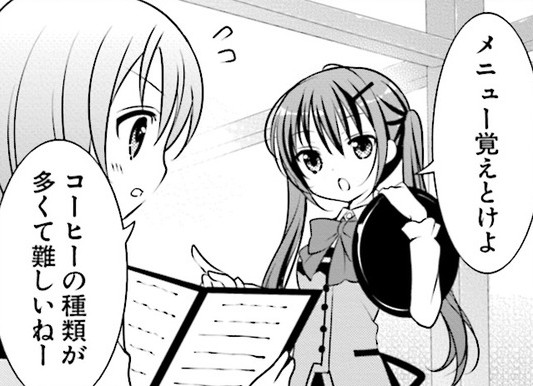
Rize is training Cocoa as a new barista at Rabbit House. 覚えとけ is 覚えておけ, a blunt order to learn the menu in advance. よ carries the urging to Cocoa, who finds all the coffee types a lot to take in. The command form itself supplies much of the line’s force.
Example 2 of 18: Thanks for the boxed lunch with サンキュ
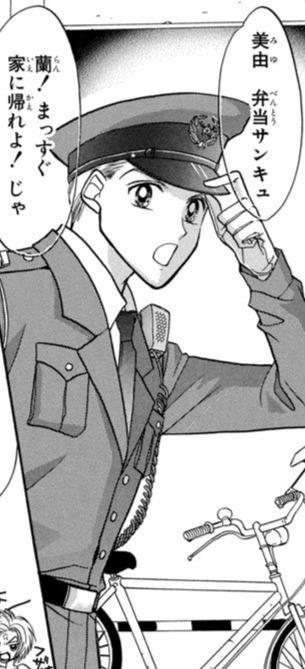
Miyu visits Yamato at his police box workplace to bring him a packed lunch. She sees her friend, Yamato’s sister Ran, there and stops by to see her next. A call comes in, and Yamato heads to help provide backup.
Miyu brought Yamato lunch at his police box, where his sister Ran is visiting too. A call comes in, and he heads out. 帰れよ, “go straight home”, is a brotherly order, and よ presses it on Ran. じゃ is a quick bye.
Example 3 of 18: Leaving the mountain at the shortest route with 最短
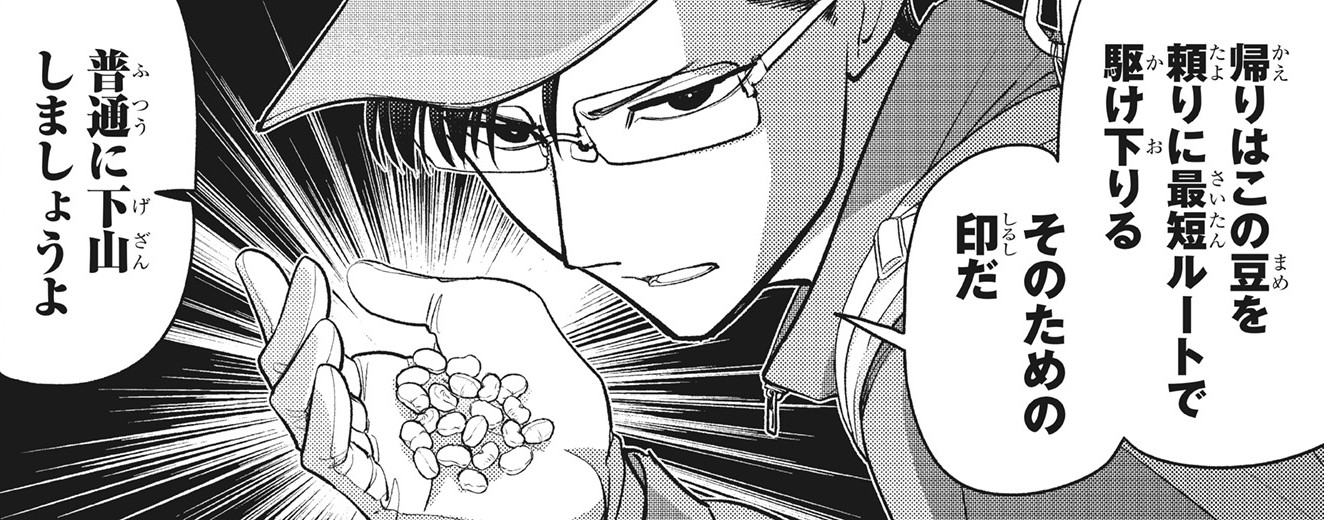
Kumada takes a trip to the mountain, in hope that the bear living in his apartment will follow him there, then he can run away and leave the bear stranded behind. He has with him his employee Sanami, an expert on mountains, to act as a guide. During their hike, Sanami asks Kumada why he’s placing beans on the ground as they go.
熊田:
「帰りはこの豆を頼りに最短ルートで駆け下りる」
“On the way back, I'll use these beans as a guide and run down by the shortest route.”
Kumada has been dropping beans along the trail so he can race down later and leave behind the bear that follows him. Sanami, his guide, suggests 普通に下山しましょうよ, “let’s just go down normally”. ましょう invites a joint action, and よ presses this more sensible alternative on Kumada.
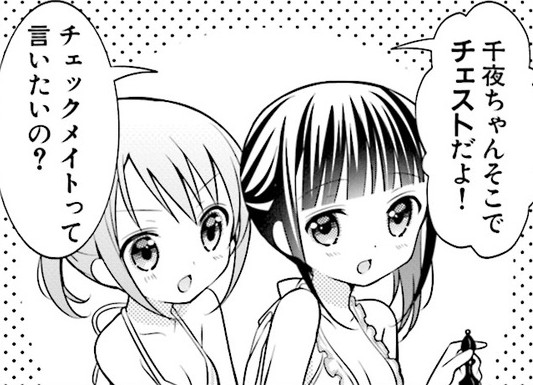
Cocoa is cheering Chiya on at chess. そこでチェストだよ!, “now’s when you say ‘chest’!”, tells her what to do. She means “checkmate”, as Chiya points out. Even without a command form, よ makes it a push.
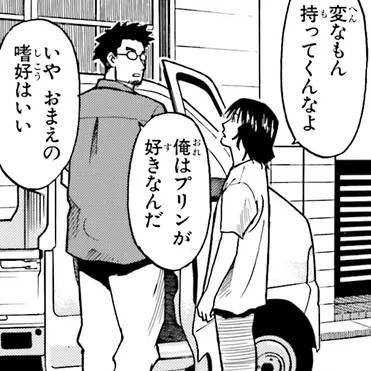
After Yousuke finishes moving his belongings into his new home with the help of his friend Jumbo, Jumbo offers to pick up some gifts for Yousuke to give his new neighbors when he goes around the neighborhood to introduce himself.
Jumbo offers to pick up gifts for Yousuke to give his new neighbors. 持ってくんなよ contracts 持ってくるなよ, “don’t bring back anything weird”. The な is prohibitive because it follows dictionary-form 来る. よ addresses the warning to Jumbo, who announces that he likes pudding.
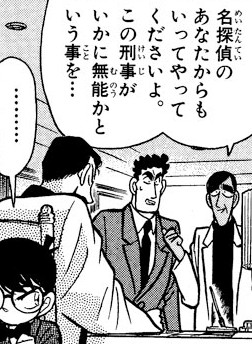
Police detective Yokomizo isn’t about to let Sasai, his prime murder suspect, leave. Sasai reminds the officer that he has photographic proof that he wasn’t near the victim at the time of the murder. He calls for Detective Mouri to back him up.
笹井:
「名探偵のあなたからもいってやってくださいよ。 この刑事がいかに無能かという事を…」
“You, the great detective, should tell him yourself. Just how incompetent this police detective is...”
Detective Yokomizo won’t let his main suspect, Sasai, leave, so Sasai turns to Kogoro for backup. 〜てくださいよ is a polite request with push, “come on, tell him”. よ makes it sound like Sasai expects Kogoro to side with him.
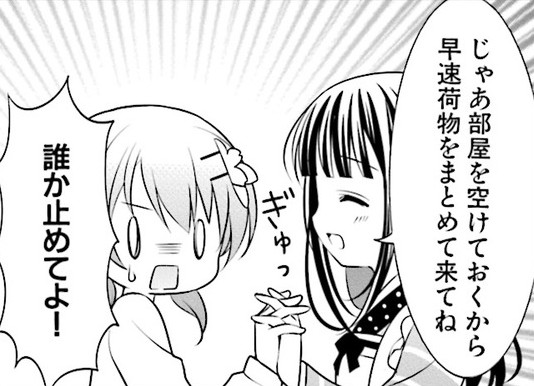
After Cocoa suggests if she were staying at Chiya’s place rather than Chino’s, that she’d be working for Chiya’s family’s tea house, Chiya takes to the idea.
千夜:
「じゃあ部屋を空けておくから早速荷物をまとめて来てね」
“Then I'll clear out a room in advance, so go gather your things and come right away.”
Cocoa said she might work at Chiya’s family’s café if she lived there, and Chiya is already planning to clear out a room for her. 誰か止めてよ, “somebody stop her!”, turns a request into a plea.
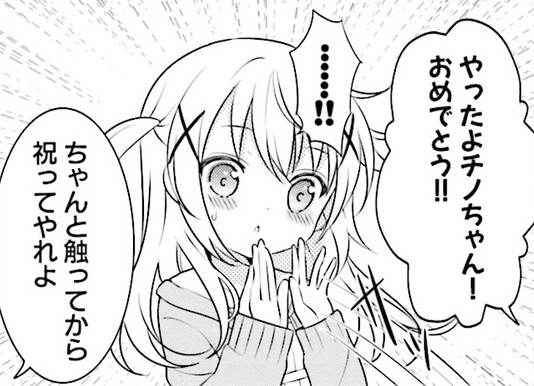
Example 8 of 18: Congratulations after touching with 〜てから
Chino doesn’t have much luck with animals other than her rabbit Tippy. However, she’s able to successfully touch the always-still rabbit at Chiya’s family’s café.
ココア:
「やったよチノちゃん!おめでとう!!」
“At last, Chino-chan! Congrats!!”
リゼ:
「ちゃんと触ってから祝ってやれよ」
“After she properly touches the rabbit, congratulate her.”
Chino is trying to touch a rabbit that always sits still, and Cocoa is already celebrating. Rize tells her to wait until Chino has really touched it: 祝ってやれよ, “then congratulate her”. Cocoa’s やったよ in the line before has よ too, cheering.
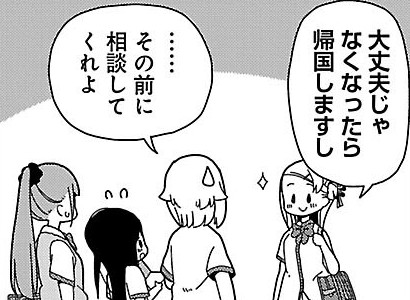
While staying in Japan, Sotoka lives alone in the apartment building her parents own. Aru asks if Sotoka isn’t lonely living alone, but Sotoka says it’s all right.
Sotoka says she’ll return to her own country if living alone ever gets too hard. Nako replies その前に相談してくれよ, “talk to us before that”. Her request urges Sotoka to ask for help.
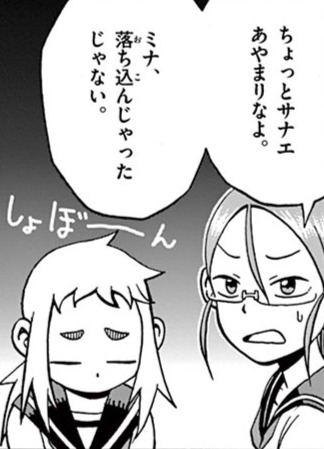
Example 10 of 18: Depressed over a snatched dumpling with 落ち込む
Yukari doesn’t like carrots, so she offers the ones from her lunch to Mina, who gladly accepts. Mina offers one of her dumplings in return, but Yukari is hesitant to accept because Mina did her a favor by taking the carrots. Sanae takes the opportunity to snatch the dumpling and eat it herself, claiming that neither of the other two seemed to want it. Mina mutters that she never said that.
Sanae snatched the dumpling Mina offered Yukari and ate it herself. Yukari says あやまりなよ, “apologize”. This is the verb stem あやまり plus な, short for なさい, and よ. It asks Sanae to do something.
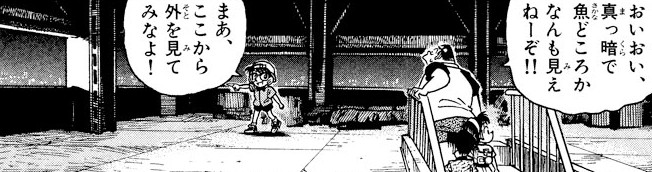
Example 11 of 18: Far from seeing a fish with 〜どころか
The Detective Boys follow what appears to be an encoded treasure map. They’re able to locate each symbol from the map except for what appears to be a fish. Conan figures it out, and leads the group up a fire escape to the top floor of a nearby building.
元太:
「おいおい、真っ暗で魚どころかなんも見えねーぞ!!」
“Hey, it's pitch black. Far from a fish, I can't even see anything!!”
The Detective Boys are following a treasure map, and Conan has led them up a fire escape. Genta complains he can’t see a thing. Conan responds 見てみなよ, “try looking”. Here みな is short for みなさい. よ urges the others to follow his suggestion and look outside.
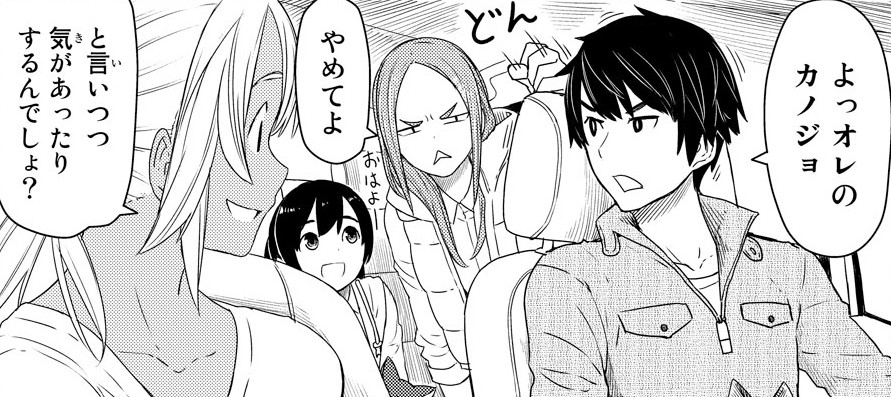
Makoto and her family head out on a trip to the river. When they stop to pick up Kei’s friend Nao, Akane greets her with, “Howdy, Kei’s girlfriend!” Nao tells her she’s wrong.
圭:
「よっオレのカノジョ」
“Yo, my girlfriend.”
なお:
「やめてよ」
“Stop that!”
茜:
「と言いつつ気があったりするんでしょ?」
“Although you say that, you're interested in him, aren't you?”
Kei greets Nao with “yo, my girlfriend”, and she objects with やめてよ, “stop it”. The teasing gives her request the force of a complaint. よ helps deliver that appeal, but 〜てよ can carry other tones in other situations.
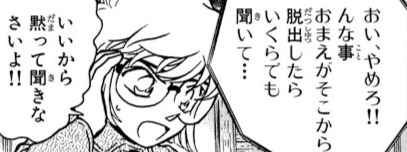
To allay Haibara’s fears of being recognized at an event, Conan lets her wear his fake glasses as a disguise. After she’s kidnapped, Conan communicates with her through the wireless communication device built into the glasses, in hope of discovering where she’s being held. Once Haibara confirms she cannot escape the room she’s in, she tells Conan to listen carefully and starts listing off the details of her research around the drug that caused the two of them to become children.
コナン:
「おい、やめろ!! んな事おまえがそこから脱出したら聞いて…」
“Hey, stop it!! I'll listen after we get you out of there...”
Haibara has been kidnapped and is talking to Conan through the transmitter in the glasses she’s wearing. She starts listing details about the drug that shrank them. When Conan tries to stop her, Haibara orders いいから黙って聞きなさいよ!!, “just shut up and listen!” 聞きなさい is the command, and よ reinforces her insistence that he hear her out.
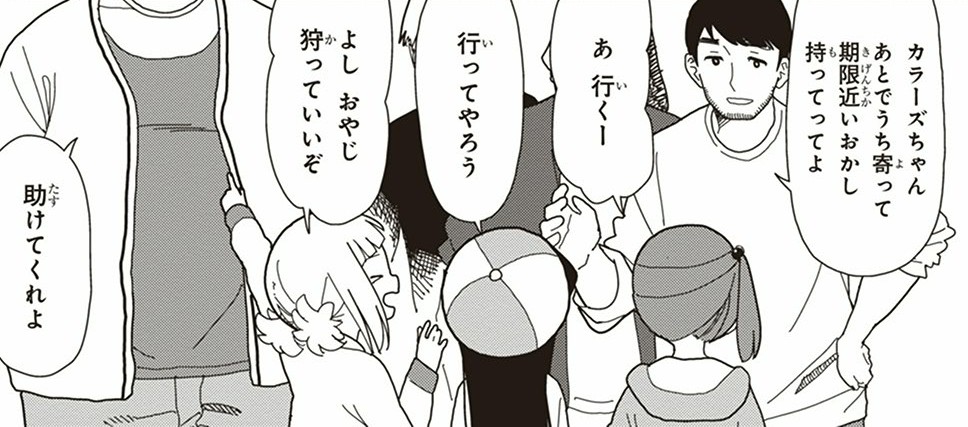
The candy shop owner runs into Colors while he’s out shopping. 持ってって is 持っていって, “take them away”. His 〜てよ invites them to come by later and take snacks that are near their sell-by date.
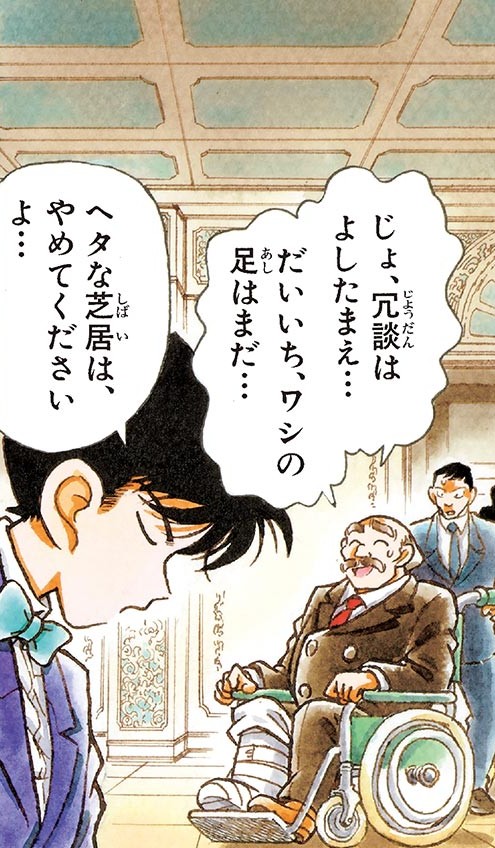
Assisting the police with a murder investigation, Shin’ichi explains how the culprit was able to move without a trace by going out a window and scaling the wall to the next window up. The victim’s husband demands to know who killed his wife, only for Shin’ichi to accuse him.
御主人:
「じょ、冗談はよしたまえ… だいいち、ワシの足はまだ…」
“S-stop joking around.... First of all, my leg is still...”
Shin’ichi has accused the victim’s husband, who protests that his leg is still injured. Shin’ichi isn’t buying it: ヘタな芝居は、やめてくださいよ, “please stop the bad acting”. It’s polite on the surface, but よ makes it pointed.
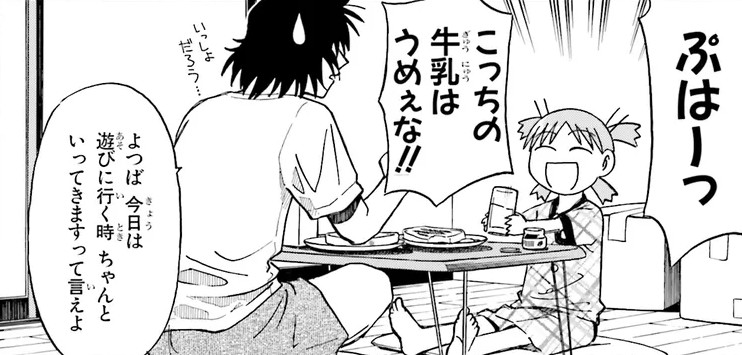
Yotsuba and her father have their first breakfast since moving to a new house in a new town. Yotsuba takes a bite from her toast, then drinks down some milk.
よつば:
「こっちの牛乳はうめぇな!!」
“The milk here is good!”
父さん:
「(いっしょだろう…)よつば 今日は遊びに行く時 ちゃんといってきますって言えよ」
“(It tastes the same...) Yotsuba, when you go out to play today, make sure you say "I'm off", okay?”
Yotsuba and her father are having their first breakfast in the new house. He reminds her to say いってきます, “I’m off”, when she goes out to play. 言えよ is a casual command with よ. Here he uses it to remind her what to do before leaving.
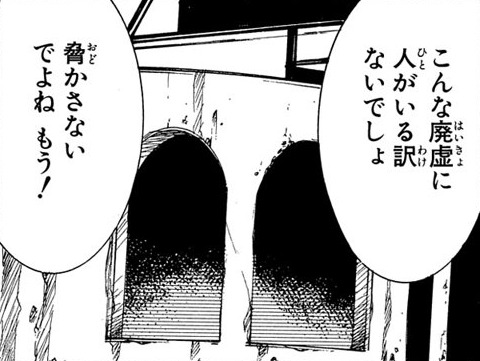
Example 17 of 18: No one in a ruin like this with 〜わけない
While chasing President Aria in a training gondola, Akari and Aika follow a narrow canal and come out among the ruins of an old settlement from the days when Aqua was still called Mars. Akari glances up at a pair of empty windows and says she felt as if someone was watching them.
Akari says she felt someone watching them in the abandoned ruins, and Aika insists no one could be there. 脅かさないでよね, “don’t scare me”, is a negative request, and よ turns it into a protest. もう! adds her exasperation.
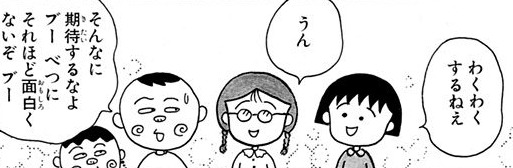
Bootaro has started going to church with a relative. He told Maruko and Tama-chan it was pretty fun, with hymns, picture-story shows of Bible stories, and snacks. Maruko, mostly interested in the snacks, decided to go too, and Tama-chan came along. On Sunday the two meet Bootaro outside the church.
まる子:
「わくわくするねえ」
“This is so exciting!”
たまちゃん:
「うん」
“Yeah.”
ブー太郎:
「そんなに期待するなよブー べつにそれほど面白くないぞブー」
“Don't get your hopes up that much, boo. It's not all that fun, boo.”
Maruko arrives at church with Tama-chan and says she’s excited. Bootaro tells them そんなに期待するなよ, “don’t get your hopes up that much”. The な is prohibitive because it follows dictionary-form する, and よ presses the advice on the two girls.
Questions with an Edge
A question with よ sounds pushy or irritated. 何だよ! is “what the heck?”, not a neutral “what is it?”. The speaker isn’t really asking for information so much as reacting. Feminine speech gets the same edge from のよ: 何してるのよ!, “what are you doing?!”
Some of these questions seek a real answer. Others are rhetorical reactions. 誰が飲んだんだよ, “who drank it?!”, can demand the person’s identity. 知るかよ, “how should I know?”, rejects the expectation of an answer. よ also occurs in surprised かよ reactions.
2 sources
The sentence in (32) constitutes a request for information;
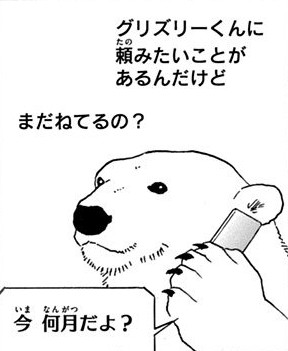
Grizzly is deep into his winter hibernation when his phone starts ringing. He answers, knowing only Polar Bear would be calling him during hibernation.
Grizzly is deep in winter hibernation when Polar Bear calls and asks whether he’s still asleep. 今何月だよ?, “what month is it?!”, functions as a grumpy reminder that it’s winter. The phone call supplies the reason for reading this as reproach rather than a request for the date.
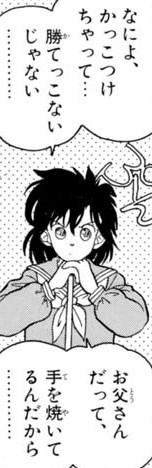
As he performs one trick after another, Kaito says he’s unbeatable at magic. Aoko says he can’t win against Kaitou Kid, the magic-using thief her police father has yet to apprehend. Kaito disregards the claim and continues disrupting class with his tricks.
青子:
「なによ、かっこつけちゃって… 勝てっこないじゃない……」
“What's with all that showing off? There's no way he can win.”
Kaito is disrupting class with one magic trick after another. なによ, “what’s with you?”, is a feminine version of なんだよ, and Aoko follows it with what bothers her: all that showing off.
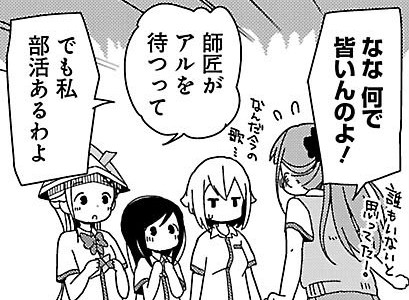
Aru returns to her classroom after club. Expecting the classroom to be empty, she’s singing a song about herself as she enters the room. There, she finds her friends idling away the time.
アル:
「なな 何で皆いんのよ!(誰もいないと思ってた!)」
“Wh- why is it that you all are here?! (I was thinking no one was here!)”
Aru returns to the classroom after club, singing a song about herself, and finds her friends there. 何で皆いんのよ!, “why are you all here?!”, expresses her surprise and asks for a reason.
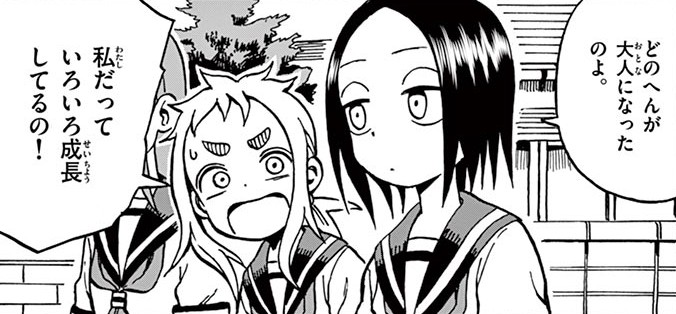
Mina buys a can of coffee, even though she’s bad at bitter drinks. When her friends question her, she says she’s grown up a bit and should be able to drink it.
Mina bought canned coffee even though she can’t stand bitter drinks, and she says she’s grown up enough to drink it. Sanae’s どのへんが大人になったのよ, “what part of you grew up?”, isn’t asking for details. のよ makes it a challenge.
Example 5 of 5: Experiencing danger during hide-and-seek with 〜目にあう
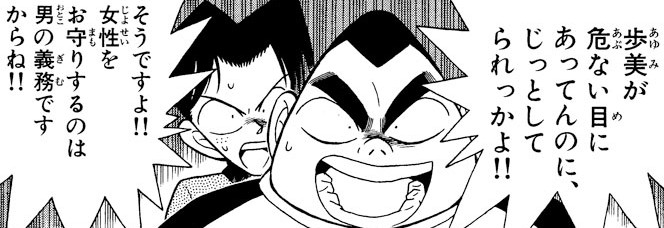
During a hide-and-seek game at the park, Ayumi hides in a car trunk and falls asleep. She wakes to find the car moving and discovers a bag of money, a slimy saw, and what seems like a severed head. Conan, tracking her via their Detective Boys badges, prepares to pursue on his electric skateboard. Genta and Mitsuhiko join him on it, but Conan urges them to stay behind due to the danger.
元太:
「歩美が危ない目にあってんのに、じっとしてられっかよ!!」
“Ayumi is in danger, so how can I just stand by and do nothing?”
光彦:
「そうですよ!! 女性をお守りするのは男の義務ですからね!!」
“That's right! It's a man's duty to protect women!”
Ayumi hid in a car trunk during hide-and-seek, and now the car is driving off with her inside. Conan wants Genta and Mitsuhiko to stay behind. じっとしてられっかよ is a rough じっとしていられるかよ, “like I could just sit still!” かよ makes it rhetorical, and Mitsuhiko backs him up with そうですよ.
Polite ですよ and ますよ
よ works after です and ます too. ですよ and ますよ stay polite, but they still push information at the listener, so they can sound forward toward someone of higher status. With a stranger, a customer, or a friend’s parent, they’re friendly.
1 source
目上の人に対して「よ」を用いるときは、注意が必要です。
Care is needed when using "yo" toward someone of higher status.
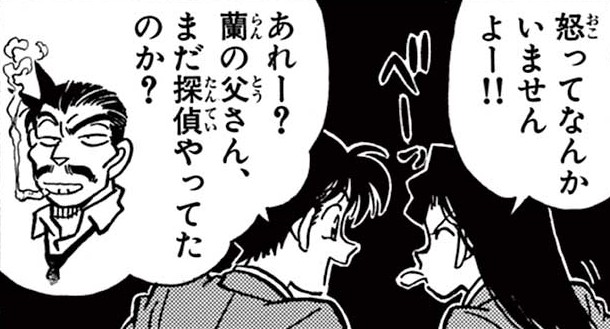
Ran seems angry as Shin’ichi basks in the media attention he’s getting for solving a difficult case. When Shin’ichi asks Ran why she’s angry, she points out that it’s because of Shin’ichi that her father’s been getting fewer case requests.
Shin’ichi is enjoying the press coverage for solving a hard case, while Ran is upset that his success means fewer cases for her father. She denies being angry with 怒ってなんかいませんよー!! The polite ません form and drawn-out ending occur in an indignant protest. Polite forms with よ can still express annoyance.
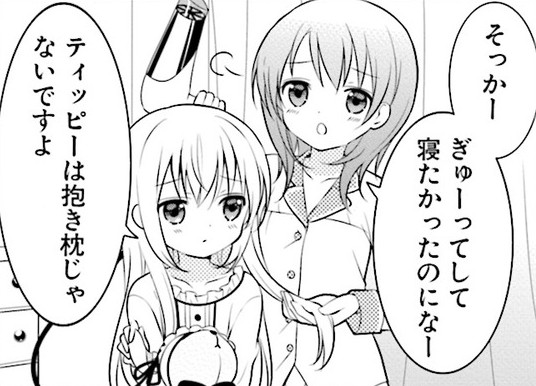
Cocoa wanted to sleep hugging Tippy, but Tippy is at the bar with Chino’s father. Chino responds ティッピーは抱き枕じゃないですよ, “Tippy isn’t a body pillow”. です keeps the correction in polite speech, and よ addresses it to Cocoa.
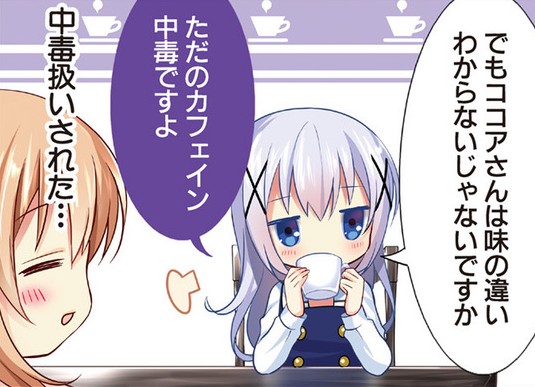
Cocoa never liked coffee before, but she loves the coffee Chino makes. Chino has a theory: Cocoa can’t tell the difference, so it’s just caffeine addiction. ですよ delivers the diagnosis politely, which makes it funnier.
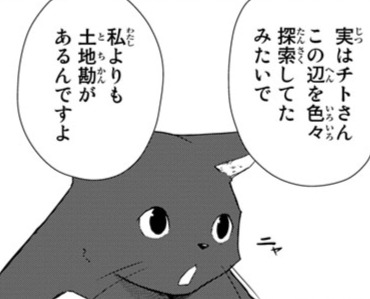
Example 4 of 12: Exploring the neighborhood with 探索
Not long after moving to a new town to stay with relatives, Makoto decides to head out for a walk. Her cousin is worried she’ll get lost. Makoto says not to worry, because she’ll have her witch familiar cat, Chito, with her.
真琴:
「実はチトさん この辺を色々探索してたみたいで私よりも土地勘があるんですよ」
“Actually, Chito seems to have explored this area quite a bit, so she knows her way around better than I do.”
Makoto’s cousin worries she’ll get lost on her walk, but she’ll have her cat, Chito. Chito seems to have explored the area already and knows her way around better than Makoto. んですよ explains politely. Makoto speaks politely even to family.
Example 5 of 12: James's rental is a stolen car with 盗難車
James Black leaves a show and returns to his car. Before he can get in, two men stop him. They say they are police officers and ask whether the car is his. James tells them it is a rental.
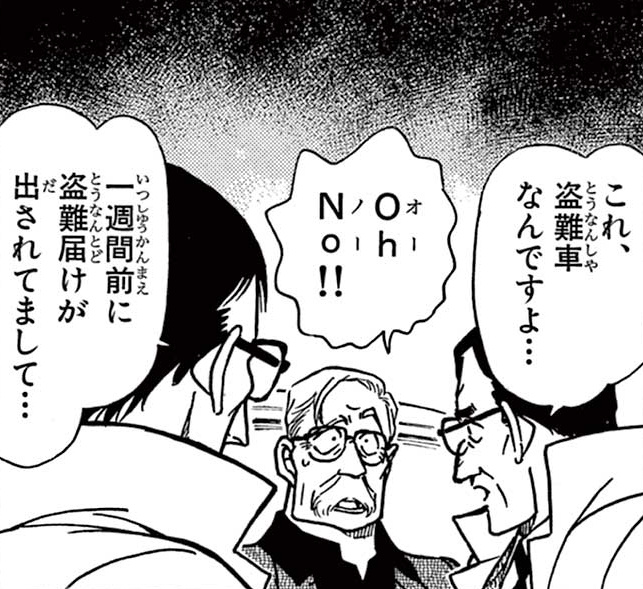
James Black is about to get into his rental car when two men stop him and say they’re police. これ、盗難車なんですよ, “this is a stolen car”, breaks the news politely. The next line gives details: it was reported stolen a week ago.
While waiting for his brother, Akatsuki finds Akari. He decides to pass the time by having Akari give him a tour of the area, but she explains that as a trainee she can’t take on customers by herself. Akatsuki hops into Akari’s gondola, saying it’s okay as long as he’s not a customer; he’s a friend.
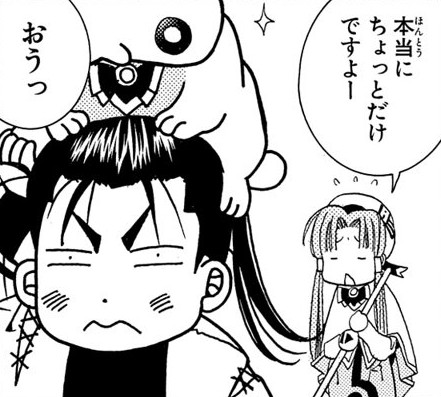
Akatsuki wants Akari to show him around by gondola, but trainees can’t take customers on their own. He hops in as a friend, and Akari gives in with 本当にちょっとだけですよー, “just a little, really!” The line sets a limit while conceding the ride. よー draws out its polite ending.
Having received a letter requesting help solving a mystery, Kogoro finds himself in a house filled with animal designs everywhere, including the doors, the chairs, and the plates. His attention turns to the clocks covering the walls.
小五郎:
「しかし動物もさることながら、時計もたくさんありますなー...」
“But aside from the animals, there are also a lot of clocks, huh...”
男:
「当たり前ですよ... 祖父は時計職人だったんですから...」
“Of course there are... Grandfather was a clock maker, after all...”
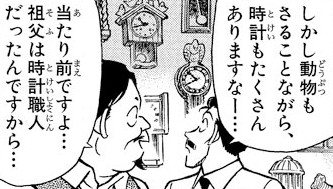
Kogoro has come to a house full of animal designs, and he remarks on all the clocks too. 当たり前ですよ, “naturally”, answers politely, then gives the reason: the man’s grandfather was a clockmaker.
Shin’ichi reveals the details of a murder. The culprit asks how Shin’ichi discovered the hidden weapon, and he explains it was due to a specific movement the culprit made.
新一:
「見逃しやすい細かな点こそ何よりも重要なんです…」
“It's precisely those subtle details that are easy to overlook that matter most of all...”
「あの時のあなたの何気ない仕草が…」
“That casual gesture of yours back then...”
「僕の目には異様な行動として焼きついてただけの事ですよ…」
“It's just that it was etched in my mind as strange behavior...”
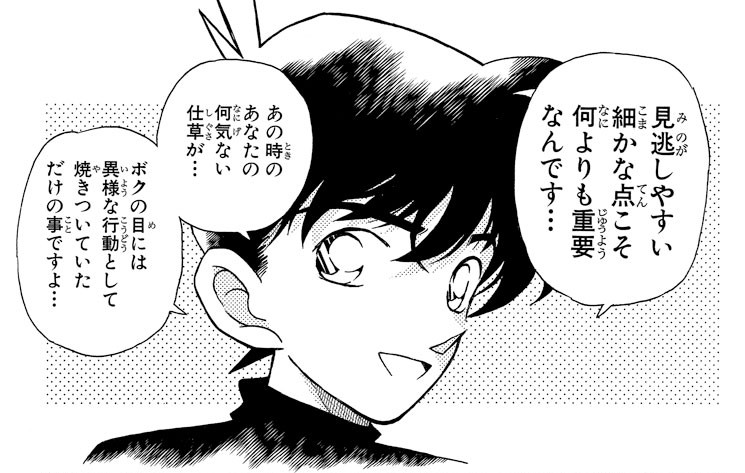
Shin’ichi has laid out the murder, and the culprit wants to know how he found the hidden weapon. It was a small gesture that stuck in his mind. 事ですよ, “that’s all it was”, ends his explanation politely, as a detective speaking to a suspect.
Example 9 of 12: Gotten completely lost in an abandoned building with 〜ちゃう
During training, Akari spots her company’s feline president, President Aria, sailing by in a small gondola. She instructs Aika to row the training gondola in the same direction, and the two follow him down an alley that’s normally gated from entry. The two lose sight of Aria and find themselves going in circles through flooded abandoned buildings. After some time, Aria’s gondola floats by.
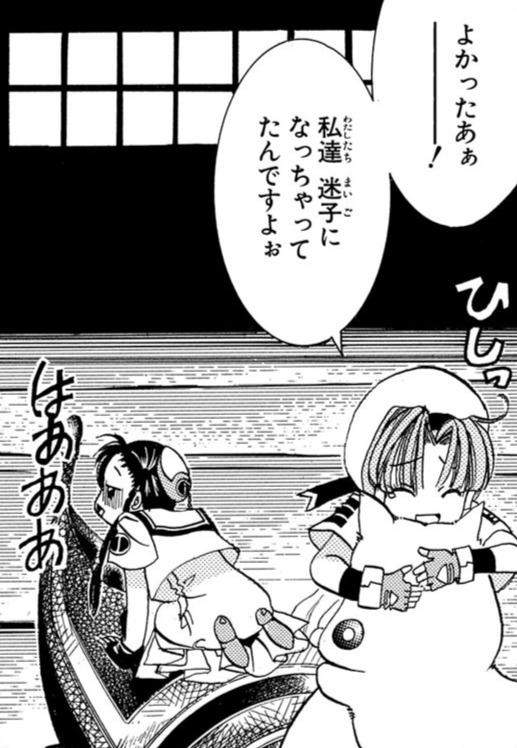
灯里:
「よかったあぁーーーーー! 私達 迷子になっちゃってたんですよぉ」
“Oh, thank goooodness! We had gotten completely lost, you know!”
Akari and Aika followed President Aria into a closed-off canal and got lost among flooded buildings. When his gondola floats by again, Akari says 迷子になっちゃってたんですよぉ, “we’d gotten totally lost!” Her preceding よかったあぁ, “thank goodness”, establishes the relief. The long よぉ stretches the polite explanation.
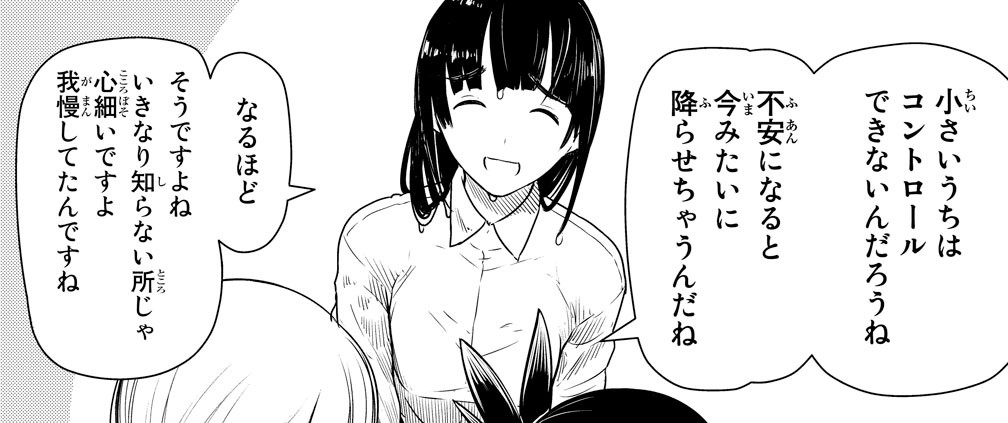
During a visit with Anzu’s family, Makoto receives a request to babysit for another witch. Things are fine at first, but after a while, rain begins to pour inside. Anzu’s mother realizes that the child they’re watching over has rain magic.
杏子の母:
「小さいうちはコントロールできないんだろうね。不安になると今みたいに降らせちゃうんだね」
“You don't have control while you're small, right? When he gets uneasy, he makes it rain like just now.”
真琴:
「なるほど。そうですよね。いきなり知らない所じゃ心細いですよ。我慢してたんですね」
“I see. So that's it. It's a little scary suddenly being in a place you don't know. You've been patient, haven't you?”
Makoto is babysitting a young witch whose anxiety makes it rain indoors. She thinks about how he must feel: suddenly being somewhere strange would be scary, 心細いですよ. よ makes the point to Anzu’s mother, politely, and her そうですよね just before agrees with her.
Example 11 of 12: Practicing for this day with 〜ために
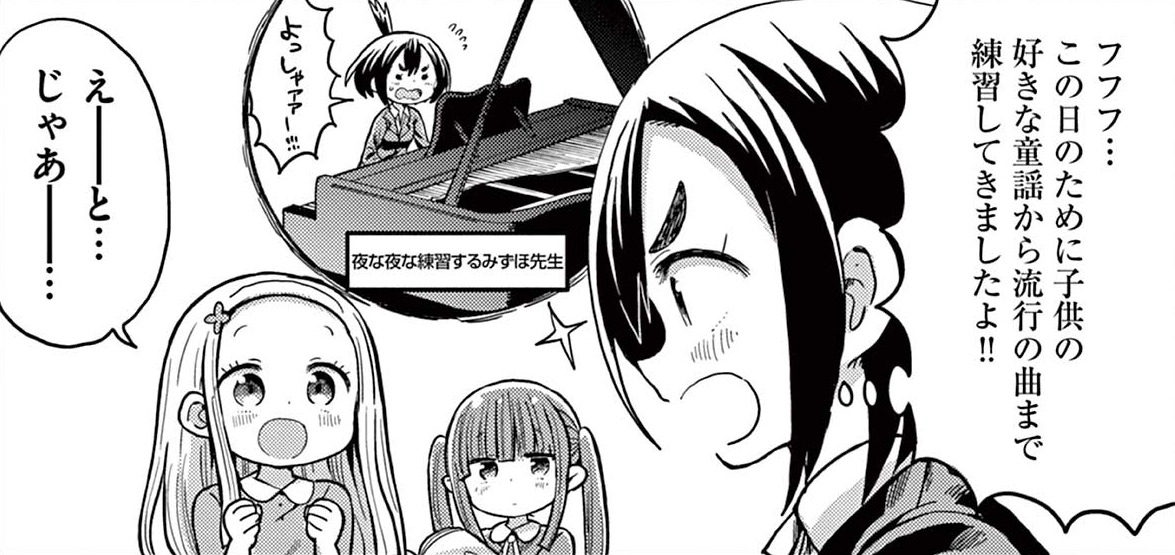
Ms. Mizuho is a new teacher. During her student teaching in Tokyo, a class survey called her lessons boring, and she wants her first graders to have fun. Today she is leading them on a school exploration. In the music room, the children crowd around the grand piano, and Sami asks whether it plays any songs. Ms. Mizuho sees her chance. She sits down at the piano, offers to play, and asks the class for requests.
みずほ先生:
「フフフ… この日のために子供の好きな童謡から流行の曲まで練習してきましたよ!!」
“Heh heh heh... For this day, I've practiced everything from the nursery rhymes kids love to the latest hits!!”
Ms. Mizuho has offered to play the music room piano for her first graders. 練習してきましたよ stays in the polite ます form she uses in class, and よ hands the kids her news with some pride. She is ready for whatever song they request.
Example 12 of 12: A narrow bag of fishing gear with 釣り道具
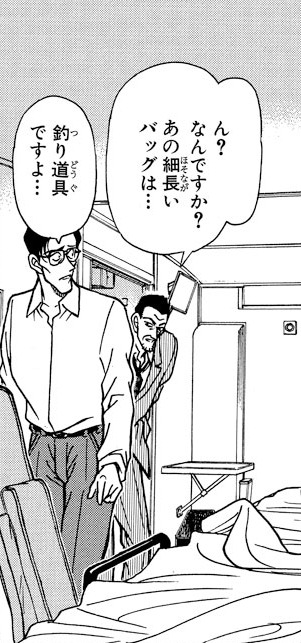
Jewelry store owner Keitarou Izumo has been shot dead in the lobby car of the Hokutosei, an overnight train bound for Hokkaido. The gunman supposedly escaped through a smashed window, but Inspector Nishimura of the Hokkaido police suspects he’s hiding in someone’s compartment, and he is checking the rooms one by one. He has reached the room of Kaetsu, the manager of Izumo’s store.
A police inspector is searching the train compartments for a gunman and asks about a long, thin bag in one of them. 釣り道具ですよ, “it’s fishing gear”, tells him what he doesn’t know. です keeps it polite to the officer.
Feminine わよ and Plain よ
In feminine speech, よ often follows a noun or な-adjective with no だ: 大丈夫よ, “it’s all right”. わよ adds emphasis after a verb or adjective, as in 知らないわよ, “I don’t know!” And のよ explains or insists: 行くのよ, “you’re going!”
These forms can suggest a conventional feminine style in dialogue. Their use varies with the speaker and setting, so the ending alone does not tell you a character’s age or personality.
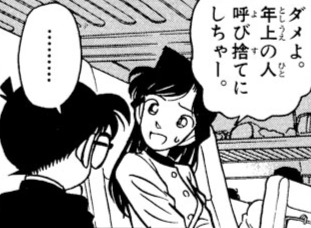
Conan needs to investigate a bomb set to go off on the train, but being a child restricts his ability to move around and gather information. He decides he needs to reveal his true self to Ran, but when he addresses her as simply “Ran”, she corrects him to add “ねえちゃん” to her name.
蘭:
「ダメよ。年上の人呼び捨てにしちゃー。」
“That's no good. You shouldn't call older people by their given name alone.”
Conan needs Ran’s help to stop a bomb, and he decides to tell her who he really is. But when he calls her just “Ran”, she corrects him: ダメよ, “that’s no good”, with よ right after ダメ and no だ. Then she explains that calling an older person by name alone is rude.
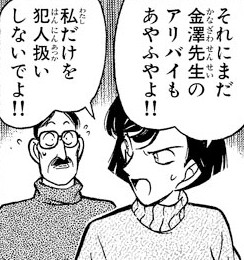
In a snow-covered mountain villa, a room full of suspects listen as Detective Mouri explains how their host was murdered. The accused notes she has a receipt showing she was at the convenience store at the bottom of the mountain when the murder took place.
Kogoro is laying out the murder at a snowbound villa, and Nakahara is his prime suspect. She points at someone else: Kanazawa’s alibi is shaky too, あやふやよ, with よ right after the な-adjective. Then she demands, 犯人扱いしないでよ, “don’t treat me as the culprit”.
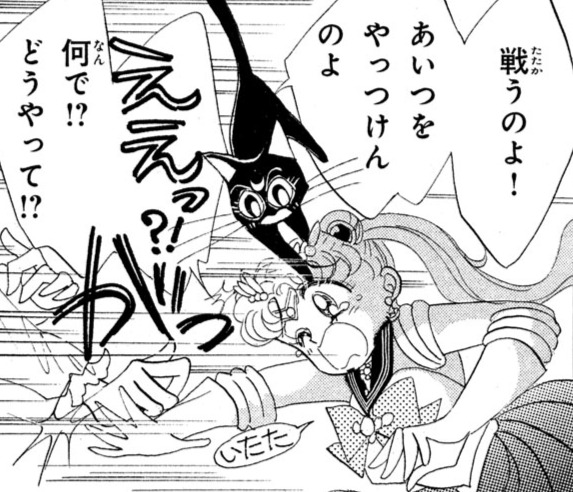
Luna explains that Usagi must become Sailormoon to fight against enemies. Upon transforming, Sailormoon discovers the opponent has targeted her friend Naru. When Sailormoon arrives to help, the enemy sends mind-controlled people to attack and harm her.
Luna has turned Usagi into Sailormoon, and an enemy is controlling people to attack her. 戦うのよ!, “fight!”, uses のよ as a command, and やっつけんのよ, “take it down”, is a casual やっつけるのよ. Usagi has no idea how.
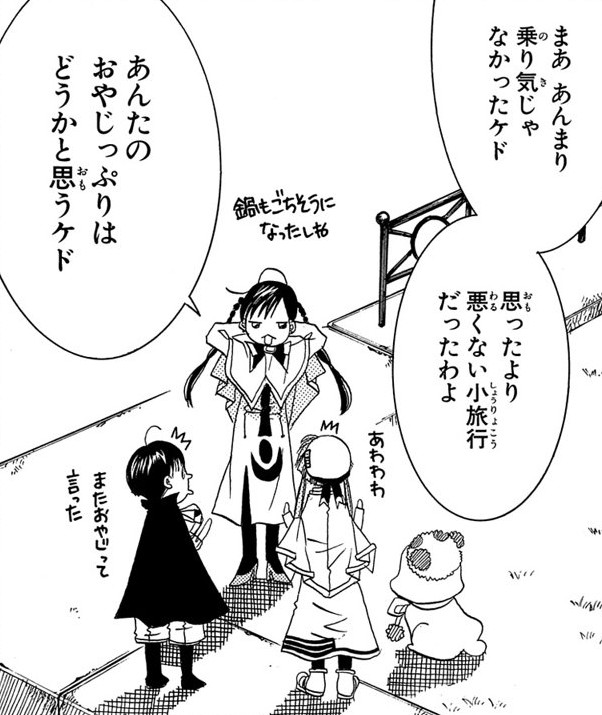
Al showed Akari and Aika around his workplace, and Akari nudges Aika to thank him. Aika admits it wasn’t a bad trip after all: 小旅行だったわよ. わよ gives it emphasis, and her ケド, “but”, in the next line takes a jab at Al’s old-man ways.
Example 5 of 14: I'd have to trade side dishes with 〜なきゃなんねー
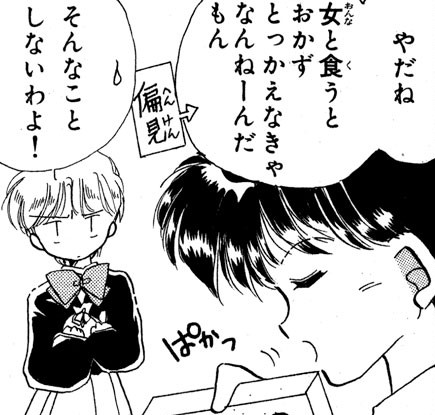
Rina asks to eat lunch with Asuka Jr., and he refuses: if he eats with a girl, he’ll have to swap side dishes. Rina fires back: そんなことしないわよ!, “I wouldn’t do that!” わよ makes the denial emphatic.
Example 6 of 14: Please let me hold the baby pandas with 〜させてください
Rin Rin loves pandas such that when he makes a delivery to Panda’s home, he can’t resist the cuteness of the younger siblings. Panda Mama takes out her purse to cover the cost of the delivery, but Rin Rin refuses to accept payment.
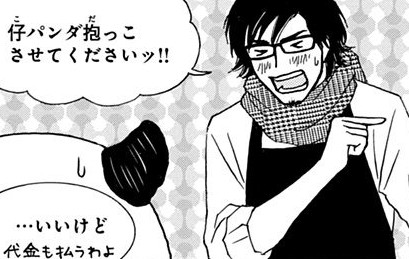
Rin Rin loves pandas so much that he refuses payment for a delivery and asks to hold the babies instead. Panda Mama agrees, but insists: 代金も払うわよ, “I’m paying the bill too”. わよ makes it firm.
Example 7 of 14: Receiving exam results by mail with 郵送
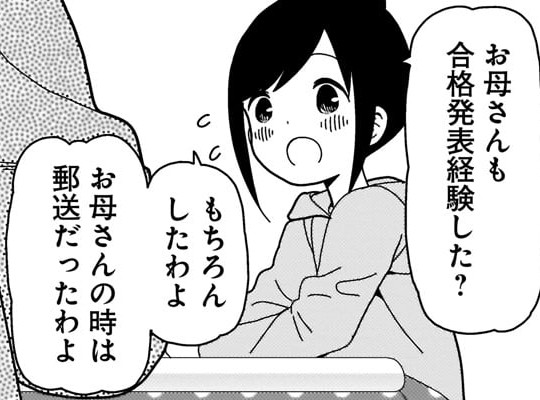
Bocchi asks her mother if she ever waited for exam results. もちろんしたわよ, “of course I did”, and 郵送だったわよ, “they came by mail”, both end in わよ. It’s a mother’s voice, telling her daughter how things were.
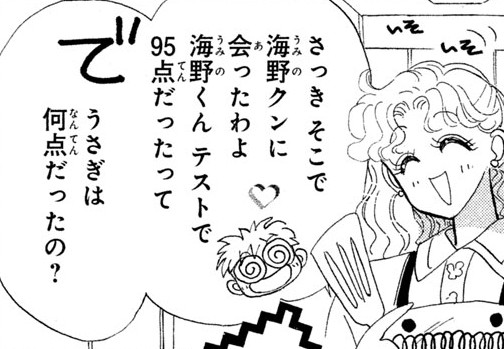
Usagi failed a test, went to the arcade, and came home late. Her mother is waiting: 会ったわよ, “I ran into Umino”. わよ delivers it, and the next lines spring the trap: Umino got 95. What did Usagi get?
Example 9 of 14: Cats sleep two-thirds of their lives with 〜そうだ
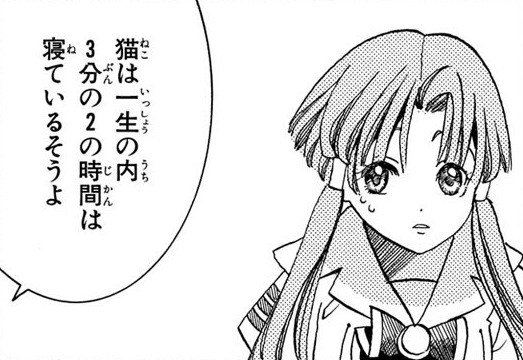
Akari notes how soundly President Aria is sleeping, and Alicia shares a fact she’s heard: cats sleep two-thirds of their lives. 寝ているそうよ drops the だ of hearsay そうだ, and よ follows directly. It’s Alicia’s gentle way of passing on news.
Example 10 of 14: Anxious now that it's real with いざとなると
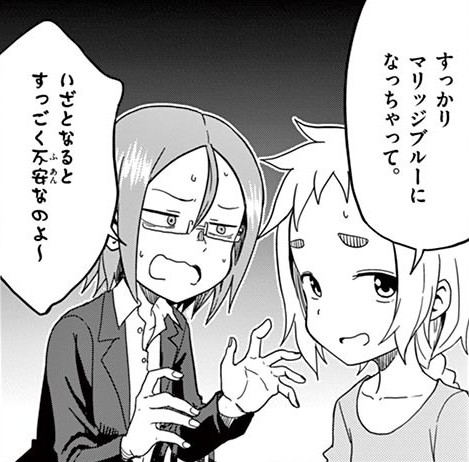
Yukari, Mina, and Sanae have been following Takagi’s family home. Watching them, Yukari sighs that she wants a marriage like that. When Takagi catches them, Yukari admits she hoped to learn the secret to a happy marriage, then reveals she’s getting married soon. Takagi congratulates her, and Mina starts to answer for her.
ミナ:
「すっかりマリッジブルーになっちゃって。」
“She's got a full-blown case of marriage blues.”
ユカリ:
「いざとなるとすっごく不安なのよ〜」
“Now that it's actually happening, I'm sooo nervous!”
Yukari is getting married soon, and Mina has just said she has the pre-wedding blues. Yukari explains for herself: すっごく不安なのよ〜, “I’m sooo anxious!” のよ explains her feelings, and the drawn-out 〜 makes it a whine.
Example 11 of 14: Help me if you're bored with 〜てちょうだい
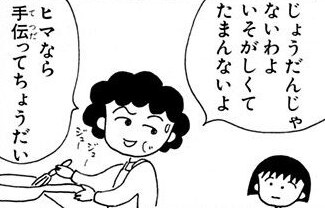
Maruko wakes up early for once, because she fell asleep in the kotatsu the night before. Her mother is busy making breakfast in the kitchen. Maruko wanders in and complains that six in the morning is boring, with nothing good on TV.
Maruko complains that six in the morning is boring, but her mother has been cooking since before she got up. じょうだんじゃないわよ, “don’t be ridiculous”, shuts the complaint down. わよ gives the retort a mother’s emphasis.
Example 12 of 14: Fishermen drinking at home with 漁師
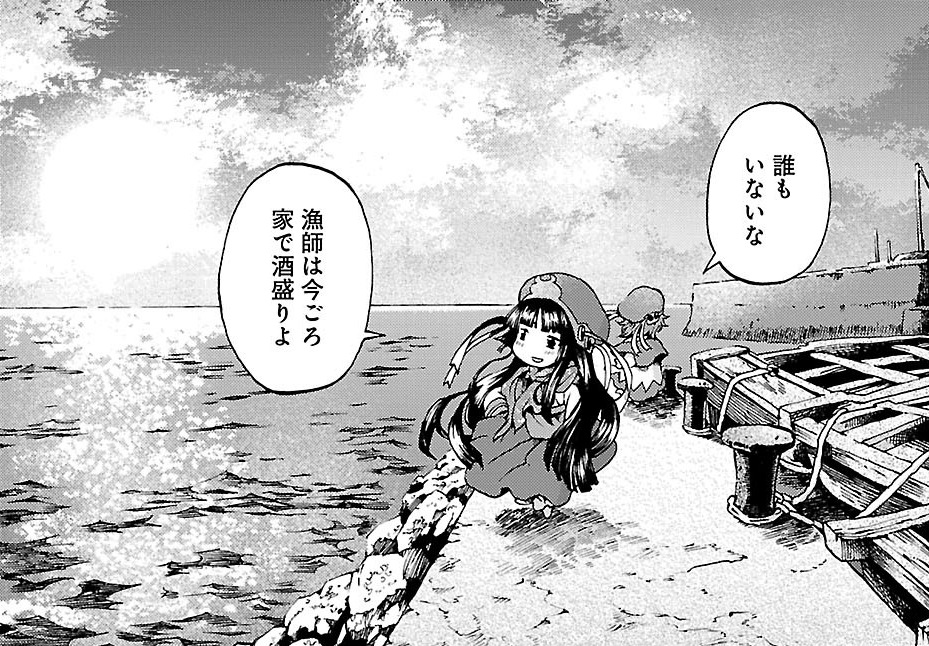
Mikochi has spent the day showing Hakumei around a busy port town. After the vendors in the market pulled Mikochi in to taste their seasonings, the worn-out pair decided to see the harbor before heading home. They reach the pier as the sun is going down.
Mikochi and Hakumei reach the harbor at sunset and find the pier empty. Mikochi explains where everyone went: 漁師は今ごろ家で酒盛りよ, “the fishermen are home drinking by now”. よ follows the noun 酒盛り with no だ.
Example 13 of 14: A big haul of handsome men with 大漁
Sonoko has brought Ran and Conan to the skating rink at Tropical Land, which is packed with skaters. As she looks around, she keeps spotting good-looking young men on the ice. Sonoko already has a boyfriend, Makoto Kyogoku.
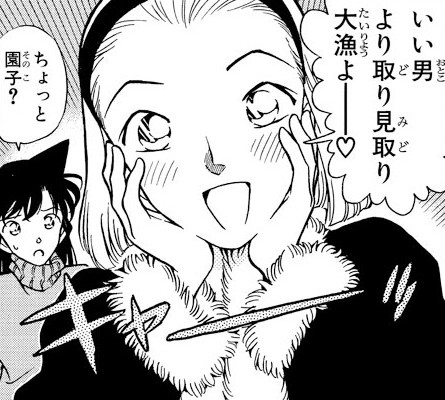
Sonoko has spotted good-looking guys all over the skating rink. She calls it a 大漁, “a big catch”, and adds よ straight after the noun with no だ. The long よー and a heart turn it into a squeal.
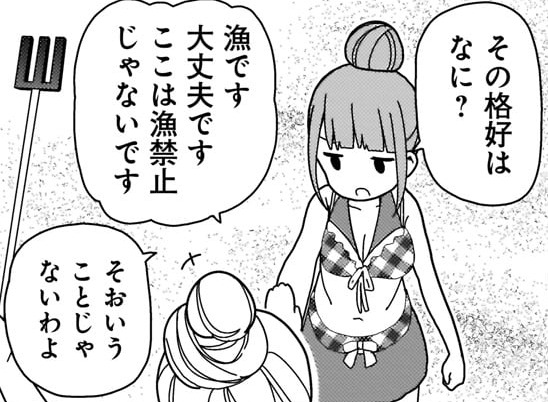
Aru asked what Sotoka’s getup was, and Sotoka assured her that fishing is allowed on this beach. そおいうことじゃないわよ, “that’s not what I’m asking”, corrects her. わよ makes the correction sound exasperated.
Sure, It’s Fine with いいよ
いいよ can grant permission, reassure someone, or decline an offer. Those readings come from いい and what the exchange leaves understood. よ affects how the speaker delivers the response.
ここに座ってもいい? / いいよ。
Can I sit here? / Sure.
手伝おうか? / いや、いいよ。一人でできるから。
Shall I help? / No, I’m fine. I can do it myself.
After an offer to help, いいよ can also accept with “sure, thanks”. Intonation, gestures, and words such as いや, “no”, help distinguish the readings. In いいですよ, an accepting reply often rises on よ, while a refusal can keep the ending low. These are useful cues to read alongside the situation.
1 source
承諾の「いいです」と断りの「いいです」はイントネーションも違います。
The intonation also differs between "ii desu" expressing acceptance and "ii desu" expressing refusal.
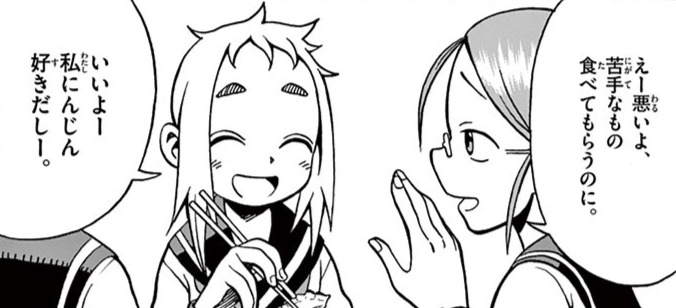
Yukari offers Mina the carrots from her lunch, as Yukari doesn’t like carrots. Mina gladly accepts them and offers Yukari one of her dumplings in return.
ユカリ:
「えー悪いよ、苦手なもの食べてもらうのに。」
“Eh~, I feel bad making you eat something I don't like.”
Yukari doesn’t like carrots, and Mina gladly takes them. Yukari feels bad: 悪いよ, “I feel bad”. Mina waves it off with いいよー, “it’s fine”, since she likes carrots. Each よ points a feeling at the other girl.
Example 2 of 3: It's too late to compliment my outfit with 今更
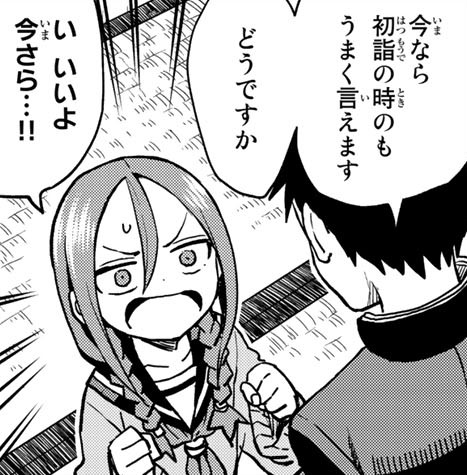
Ayumu heavily compliments Urushi on her looks wearing a sweater that’s a little too big. He quietly congratulates himself, and when Urushi questions him on it, Ayumu explains that he’s regretted his inability to find the words to compliment her outfit during their New Year’s shrine visit.
歩:
「今なら初詣の時のもうまく言えます。どうですか」
“I can properly say it now for the New Year's shrine visit. How about it?”
Ayumu showers Urushi with compliments on her sweater and explains that he regrets not complimenting her New Year’s outfit. Now he offers to do that one too. Urushi turns it down: いいよ, “that’s fine”, and 今さら, “it’s too late”.
Example 3 of 3: 私 while running a marathon with a classmate
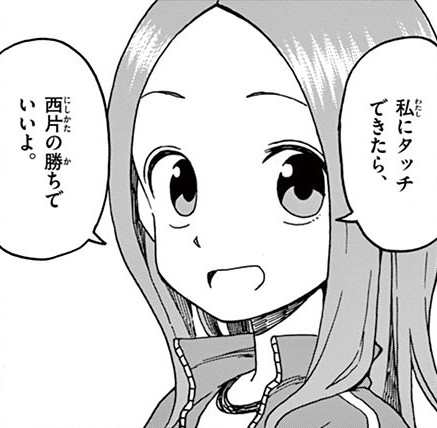
During a class marathon, Takagi challenges Nishikata: if he can tag her, he wins. 西片の勝ちでいいよ is “you can have the win”. 〜でいいよ grants something as acceptable, a little generously.
Self-Talk
よ usually addresses someone, but it can also appear in self-talk and inner reactions. A character’s thought or aside may express surprise or frustration without informing another person.
1 source
these particles can also occur in soliloquy in which communication with another person is not intended.
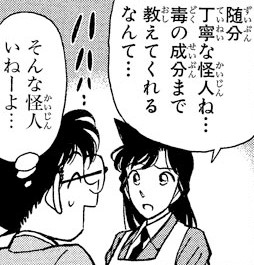
A client tells Detective Mouri about the condition in which she found her deceased husband. Hearing the details, Conan identifies the likely poison, including the composition, the dosage required to kill, and the internal effects it has on a person. When Ran asks how he knows all this, Conan covers by saying the monster villain on the kid’s TV show he watched explained it.
蘭:
「随分 丁寧な怪人ね… 毒の成分まで教えてくれるなんて…」
“What a polite villain... Going so far as to tell the poison's composition...”
Conan explained a poison in detail, then claimed he learned it from a villain on a kids’ TV show. Ran remarks on how considerate that villain was. Conan’s inner reaction is そんな怪人いねーよ, “no villain like that exists”. いねー is a rough いない. The line rejects the very explanation he invented, with よ adding force to his reaction.