Likening things with 〜みたい
Grammar: Appearance
〜みたい compares one thing to another. It often translates as “like” or “looks like”.
Meaning
Think of みたい as saying “this reminds me of that”. The speaker uses one thing as a reference point to describe another, not as an exact match. The comparison can be fanciful and does not need to be literally true.
- あの雲は魚みたいだ。
That cloud looks like a fish. (shape/appearance)
- 夢みたいな話だね。
That’s a dream-like story. (unrealistic/wonderful)
- 子供みたいに泣かないで。
Don’t cry like a child. (behavior/manner)
The word before みたい is the model for the comparison. In 魚みたい, the speaker uses a fish to describe something else.
In casual speech, people often leave off だ at the end: 夢みたい. In polite speech, みたいです is used.
Formation
View formation details
-
comparison + みたいだ (or です)
- この部屋はホテルみたいだ
- "This room is like a hotel."
- Note: In casual speech, だ is often dropped.
-
comparison + みたいな + noun
- ホテルみたいな部屋
- "a room like a hotel"
-
comparison + みたいに + verb
- 先生みたいに話す
- "speak like a teacher"
-
comparison + みたいに + adjective
- ライオンみたいに強い
- "strong like a lion"
Types of Comparison
1. Appearance (Looks Like)
あの雲、うさぎみたい! That cloud looks like a rabbit!
The cloud is being compared with a rabbit because of its shape.
2. Behavior (Manner)
子供みたいに走り回っている。 They’re running around like kids.
The people are not children. Their behavior is childlike.
3. Atmosphere (Feeling)
このカフェ、森みたいだね。 This café is like a forest, isn't it?
The café may have plants, dim lighting, and wood tones that make it resemble a forest.
A Different Use of みたい
This page explains the comparison use of みたい.
みたい can also be used to express an impression or guess:
-
雨が降るみたい。 It looks like it’s going to rain.
-
彼は来ないみたいだ。 It seems he isn’t coming.
In these cases, みたい does not compare one thing to another. It expresses the speaker’s impression or conclusion.
Related Grammar
- ようだ / ような / ように
- Similar but often more formal or literary.
- 〜っぽい
- “-ish” (more casual/slangy, often negative or approximate).
- 〜らしい
- Hearsay or typical of ~.
Further Reading
- How to use みたい (maggiesensei.com)
Examples
A little sister like Chino with 〜みたい
Grammar Explanation: Likening things with 〜みたい

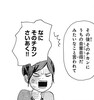
During a group study session, Chino finds Syaro a much better teacher than Cocoa.
- シャロ:
- 「うれしいっ」
- “I'm so happy!”
- 「チノちゃんみたいな妹がいたら毎日だって教えるのに」
- “If I had a little sister like Chino, I'd teach her (homework material) every day.”
Cute latte art like yours with 〜みたい
Grammar Explanation: Likening things with 〜みたい

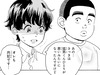
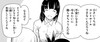
Recalling the latte art Cocoa made in coffee for her, Chiya tries making the same in the tea she brings to her friends.
- ココア:
- 「わっ どんなの!?」
- “Oh! What kind!?”
- 千夜:
- 「ココアちゃんたちみたいにかわいいのは描けないんだけど」
- “I can't draw cute (latte art) like you all, though.”
Menu items like secret attacks from a comic with 〜みたい
Grammar Explanation: Likening things with 〜みたい

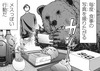
Looking over the menu at Chiya’s shop, Chino and Rize are mystified by the strange dessert names.
- ○:
- 「なんだこの漫画の必殺技みたいなメニューは…」
- “What's with this menu like special techniques from a comic?”


Supplemental Examples