Marking the subject with が
Grammar: Particles
が marks the subject of a clause. It marks the doer of an action in a verb-ending clause, what is being defined in a noun-ending clause, or what is being described in an adjective-ending clause.
Identifying the Subject
が is used when the sentence identifies who or what the predicate applies to.
For a clause ending in a verb , が identifies who or what is performing the action .
私( わたし ) が 作( つく ) りました。I made it.
This says that something was made, but it also picks out 私( わたし ) が is common in answers to “who?” or “what?” questions.
誰( だれ ) が 電話( でんわ ) した?
Who called?
兄( あに ) が 電話( でんわ ) した。My older brother called.
からかい上手の高木さん »
Volume 7 » Page 91
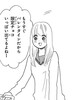
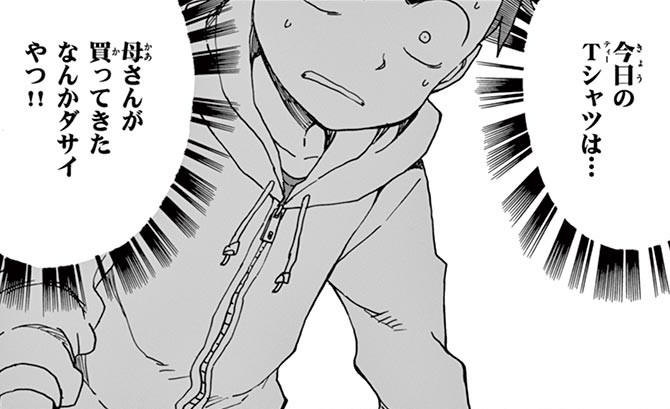
Nishikata and Takagi meet up at the library to study. Although it’s hot out, and Nishikata ran to make it to the library on time, he refuses to remove his sweater.
西片( にしかた ) :「今日( きょう ) のT( ティー ) シャツは… 母( かあ ) さんが 買( か ) ってきたなんかダサイやつ!!」
“Today's T-shirt is...some dorky thing my mom bought me!!”
Challenge Yourself
Show translation
Challenge
What does Nishikata say about the T-shirt under his sweater?
Clues
母( かあ ) さんが買( か ) ってきた"my mother bought and brought home"
なんかダサイやつ
"some dorky thing," with a dismissive, embarrassed tone
What does the speaker mean?
It is a dorky shirt his mother bought him.
母( かあ ) さんが買( か ) ってきた identifies who bought it, and ダサイ gives his embarrassed opinion.
It is a fashionable shirt Takagi chose for him.
He calls the shirt ダサイ and says his mother bought it.
It is an old shirt that no longer fits.
The line criticizes its style. It does not mention age or fit.
It is a school shirt he is required to wear.
Nishikata describes a T-shirt his mother bought, not part of his required uniform.
It is a shirt he bought for his mother.
母( かあ ) さんが marks his mother as the person who bought it.
It is a new shirt he wants Takagi to see.
Calling it ダサイ explains why he is hiding it under the sweater.
Nishikata says his mother bought the T-shirt and dismisses it as なんかダサイやつ, some dorky thing. That embarrassment explains why he keeps his sweater on.
View Full Example
Nishikana’s mother is identified as the subject, the one who bought the shirt.
When a clause ends in a noun , が identifies who or what is being defined .
これ が 私( わたし ) の傘( かさ ) です。
This is my umbrella.
姉( あね ) が 犯人( はんにん ) だ。My older sister is the culprit.
The noun after が gives the definition, and が picks out which person or thing that definition applies to.
からかい上手の(元)高木さん »
Volume 13 » Page 44
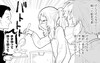
Yukari stops by the preschool where Mina works, just as Takagi is there picking up her daughter. Yukari compares her life with theirs.
ユカリ:
「高木( たかぎ ) ちゃんは成績( せいせき ) よくて しっかりしてたし、」
“Takagi-chan got good grades and had it together.”
「ミナは料理( りょうり ) が 得意( とくい )
“And Mina's good at cooking and such, right?”
Challenge Yourself
Show translation
Challenge
Which strengths does Yukari assign to Takagi and Mina?
Clues
高木( たかぎ ) ちゃんは成績( せいせき ) よくてTakagi got good grades
しっかりしてた
was dependable or had it together
ミナは料理( りょうり ) が得意( とくい )
Mina is good at cooking
What does the speaker mean?
Takagi had good grades and was dependable; Mina is good at cooking.
Yukari links 成績( せいせき ) よくて and しっかりしてた to Takagi, then gives 料理( りょうり ) が得意( とくい ) as Mina's strength.
Takagi was good at cooking; Mina had good grades.
This swaps the qualities assigned to the two women.
Both Takagi and Mina were known mainly for good grades.
Only Takagi is described with 成績( せいせき ) . Mina's example is cooking.
Both women were good cooks but unreliable students.
Yukari calls Takagi dependable and gives cooking as Mina's skill.
Takagi struggled in school while Mina helped her study.
成績( せいせき ) よくて is positive, and no help with studying is mentioned.
Yukari says neither woman had a useful strength.
The lines list positive qualities as Yukari compares herself with them.
Yukari remembers Takagi as academically strong and dependable. She then points to cooking as one of Mina’s strengths.
View Full Example
Yukari identifies Mina’s cooking as the subject, defining it as her strong point.
And when a clause ends in an adjective , が identifies who or what is being described .
ああっ女神さまっ »
Volume 2 » Page 75
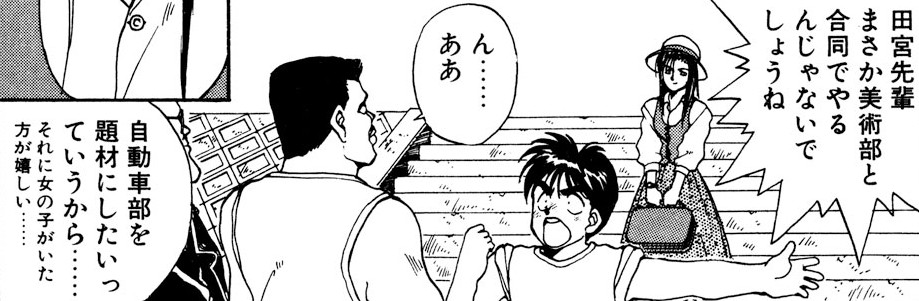
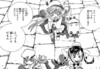
Kei’ichi is excited to spend four days at the beach with his university automobile club and Belldandy. His mood changes when he hears Sayoko call out to him.
螢一( けいいち ) :「田宮( たみや ) 先輩( せんぱい ) まさか美術部( びじゅつぶ ) と合同( ごうどう ) でやるんじゃないでしょうね」
“Tamiya, don't tell me we're doing this with the art club!”
田宮( たみや ) :「ん……ああ。自動車部( じどうしゃぶ ) を題材( だいざい ) にしたいっていうから…… それに女( おんな ) の子( こ ) が いた方( ほう ) が 嬉( うれ ) しい…」
“It's because they said they wanted to use the automobile club as a subject... Additionally, I'm happier having girls here.”
Challenge Yourself
Show translation
Challenge
What reason does Tamiya add for welcoming the joint trip?
Clues
それに
besides that, in addition
女( おんな ) の子( こ ) がいたgirls were there
〜方( ほう ) が
the option that is preferable
嬉( うれ ) しいhappy or pleased
What does the speaker mean?
He would be happier if girls were there too.
それに adds Tamiya's personal reason, and 女( おんな ) の子( こ ) がいた方( ほう ) が嬉( うれ ) しい says he would prefer having girls there.
He thinks the art club would be happier without the automobile club.
The line does not say the art club wants to be separate. Tamiya says that he would welcome having girls present.
He wants the girls to use the automobile club as their art subject.
That belongs to the earlier reason given by the art club. それに introduces Tamiya's separate reason for liking the plan.
He is relieved that the two clubs canceled their joint trip.
合同( ごうどう ) でやる describes doing the trip jointly. Nothing in the exchange says it has been canceled.
He tells Kei'ichi to be happy that Sayoko called out.
嬉( うれ ) しい describes Tamiya's reaction to having girls along, not an instruction to Kei'ichi.
He would rather replace the automobile club members with girls.
女( おんな ) の子( こ ) がいた方( ほう ) が compares having girls present with not having them present. It does not say anyone will be replaced.
Tamiya first states the art club’s reason for joining the trip. With それに, he adds his own reason. He would be happier with girls there.
View Full Example
Having girls around (versus not) is identified as the subject being described as pleasant.
Existence
With ある and いる , が marks the thing that exists.
This use introduces the existing thing into the conversation. The place or time is often marked separately with に .
三ツ星カラーズ »
Volume 6 » Page 42
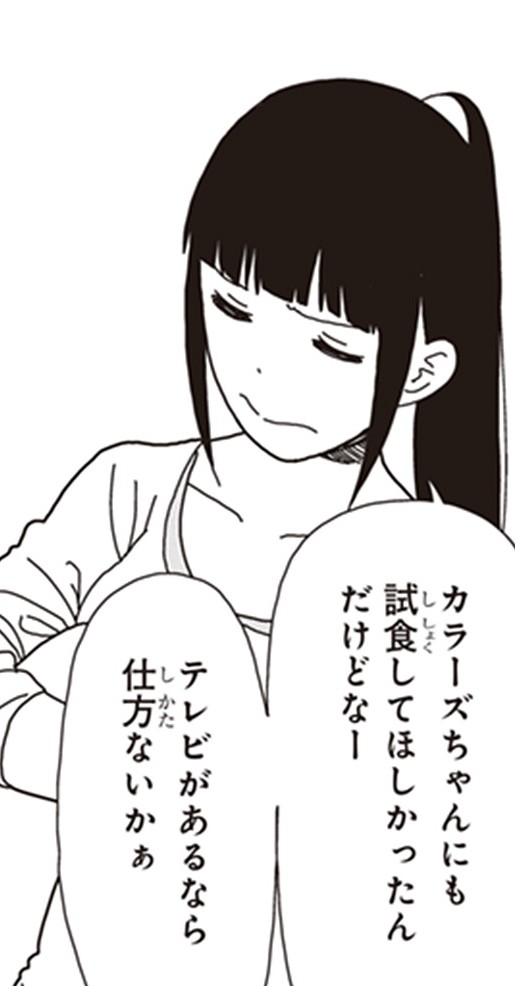
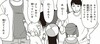
Momoko notices the trio Colors pestering a television cameraman. She intervenes to help him, telling the girls that she is heading to her family’s bakery to have taste-testing of her new type of rice ball.
ももか:
「カラーズちゃんにも試食( ししょく ) してほしかったんだけどなー」
“I wanted you all to do some taste-testing as well, but...”
「テレビ が あるなら仕方( しかた ) ないかぁ」
“If it's television, it can't be helped, huh?”
Challenge Yourself
Show translation
Challenge
What had Momoko wanted the Colors girls to do?
Clues
カラーズちゃんにも
the Colors girls too
試食( ししょく ) してほしかったwanted them to taste-test
What does the speaker mean?
Taste-test her new food.
試食( ししょく ) is tasting a sample, and してほしかった says Momoko had wanted them to do it.
Appear with her on television.
テレビ explains why the girls are occupied. It is not the activity Momoko wanted from them.
Film an advertisement for the bakery.
The requested action is 試食( ししょく ) , not filming or advertising.
Bring their own rice balls for her to judge.
Momoko wants the girls to taste her food. The direction of the tasting is not reversed.
Help her avoid the television cameraman.
テレビがあるなら仕方( しかた ) ない accepts their television business as an obstacle. It is not her request.
Return to the bakery after the tasting ended.
してほしかった describes the tasting she had hoped they would join, not a later return.
Momoko had wanted the Colors girls to taste-test her new food too. She trails off regretfully, then accepts that their television business means they cannot join her.
View Full Example
State of Things
Some predicates describe a state rather than a direct action. In many of these sentences, が marks the thing involved in that state.
妹( いもうと ) は魚( さかな ) が 好( す ) きだ。My younger sister likes fish .
Literal: For my sister, fish is liked.
窓( まど ) から海( うみ ) が 見( み ) える。The ocean is visible from the window.
Literal: From the window, the sea is visible。
漢字( かんじ ) が 読( よ ) める。I can read kanji .
(For me), kanji is readable.
In English, these may look like objects, but in Japanese they are often treated as the subject of the state: the fish is liked, the ocean is visible, and the kanji is readable.
よつばと! »
Volume 1 » Page 13
After Yousuke finishes moving his belongings into his new home with the help of his friend Jumbo, Jumbo offers to pick up some gifts for Yousuke to give his new neighbors when he goes around the neighborhood to introduce himself.
葉介( ようすけ ) :「変( へん ) なもん持( も ) ってくれなよ」
“Don't bring back anything weird.”
ジャンボ:
「俺( おれ ) はプリンが 好( す ) きなんだ」
“I happen to like pudding.”
葉介( ようすけ ) :「いや おまえの嗜好( しこう ) はいい」
“No, your personal tastes are fine.”
Challenge Yourself
Show translation
Challenge
What does Yousuke mean by saying Jumbo's 嗜好 is irrelevant?
Clues
俺( おれ ) はプリンが好( す ) きなんだJumbo offers his own liking for pudding as a reason
おまえの嗜好( しこう ) はいい
Yousuke dismisses Jumbo's personal preference as beside the point
What does the speaker mean?
The neighbor gifts should not be chosen around Jumbo's own tastes.
おまえの嗜好( しこう ) refers to Jumbo's preference, and はいい dismisses it as unnecessary for choosing someone else's gifts.
Yousuke agrees that everyone should receive pudding.
Yousuke rejects Jumbo's personal preference as the basis for the choice. He does not approve pudding for everyone.
Jumbo is forbidden from eating pudding himself.
The discussion concerns gifts for neighbors, not whether Jumbo may eat what he likes.
Yousuke wants Jumbo to buy only foods he dislikes.
Yousuke asks him not to choose strange gifts. He does not require the opposite of Jumbo's tastes.
Jumbo should ask Yotsuba which pudding she prefers.
Yotsuba is not part of this exchange. The issue is using Jumbo's taste to select neighbor gifts.
Personal preferences never matter when buying food.
Yousuke dismisses this preference for this errand. He does not make a general rule about all food purchases.
Jumbo suggests pudding because he likes it, but the gifts are for Yousuke’s new neighbors. Yousuke tells him that his own 嗜好( しこう ) , or personal taste, is not the criterion that matters.
View Full Example
Pudding is in the state of being liked by Jumbo.
が and は
Both が and は can appear near the beginning of a sentence, but they do different jobs.
田中( たなか ) さんが 先生( せんせい ) です。
Tanaka is the teacher.
田中( たなか ) さんは 先生( せんせい ) です。As for Tanaka, he is a teacher.
The が sentence answers “who is the teacher?” The は sentence makes Tanaka the topic and then comments on him. This difference is one of the most important uses of the two particles.
Supplemental Examples
Try finding this grammar in the following examples:
高木さん/からかい上手の(元)高木さん-volume-13-page-44-panel-3.jpg)