は marks the topic of a sentence, the person or thing that the comment is about. も marks something as also included in the same kind of statement.
Usage Notes
Japanese often uses a topic-comment structure. The topic marked by は sets the frame, and the rest of the sentence says something about that frame.
も works similarly in position, but instead of simply setting a topic, it adds the marked item to something already mentioned or understood: “also”, “too”, or “as well”.
Formation
View formation details
Noun + は + comment
私は学生です
"as for me, I am a student"
Time or place + は + comment
今日は寒い
"as for today, it is cold"
Noun + も + comment
私も行きます
"as for me, I will go too"
Particle phrase + は / も
学校には行った
"as for me, I did go to school"
Note: は is pronounced わ when used as a particle. Topic は can replace が or を, and it can attach after particles such as に, で, から, and まで. も often replaces は, が, or を, but follows other particles.
Topic and Comment
The particle は marks the topic, what the sentence is about. The rest of the sentence is the comment, what is being said about that topic.
私は東京に住んでいます。
As for me, I live in Tokyo.
この店は静かだ。
As for this shop, it is quiet.
English often translates these without “as for”, but that phrase helps show the Japanese structure.
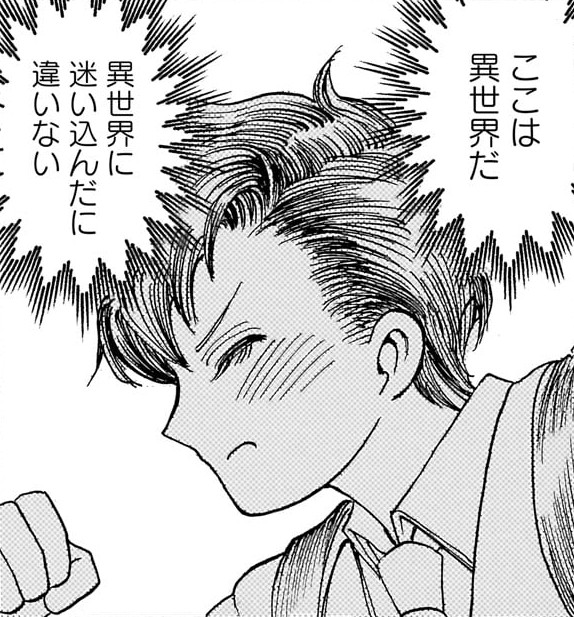
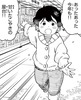
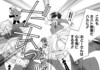
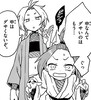
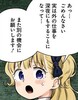
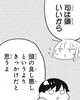
Zen lived in a glittering, idyllic town until his family moved. During his first day of school, he found everyone to be glaring and rugged. Rather than being gentle and playful, his classmates sought a brawl and chased after him.
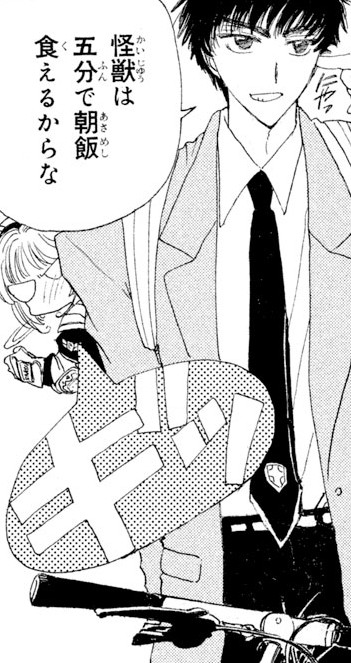
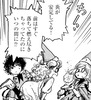
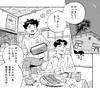
At breakfast, Touya teases Sakura for stomping down the stairs like a giant monster. He finishes eating and heads out on his bike to meet his friend Yukito on their way to school. Sakura hurries to eat her breakfast and get her roller blades on, so she can see Yukito, too. When they reach Yukito, he commends Sakura for being up early.
桃矢:
「怪獣は五分で朝飯食えるからな」
“Well, monsters can finish breakfast in five minutes.”
Touya starts with 怪獣は to make the “monster” his topic, then makes the comment that it can finish breakfast in five minutes.
は Is Not Always the Subject
The topic is not always the grammatical subject of the predicate. It can be a person, object, time, place, or broader frame.
日本語は少し分かります。
As for Japanese, I understand a little.
週末は家で休みたい。
As for the weekend, I want to rest at home.
In the first sentence, Japanese is the thing understood, but the speaker is the one who understands it. In the second, the weekend is the time frame, but the speaker is the one who wants to rest at home. は marks what the comment is about, not necessarily the doer of an action.
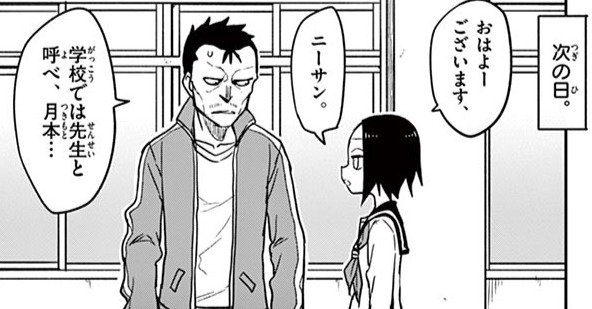
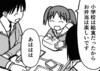
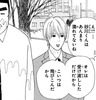
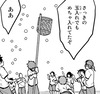
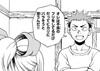
After Yousuke finishes moving his belongings into his new home with the help of his friend Jumbo, Jumbo offers to pick up some gifts for Yousuke to give his new neighbors when he goes around the neighborhood to introduce himself.
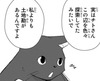
Chino uses この温泉は to make the hot spring a location frame. She uses 強者が for the people who gather there, so the location topic is not the subject of 集まる.
Contrastive は
Because は sets one topic apart, it can also suggest contrast.
コーヒーは飲むけど、紅茶は飲まない。
I drink coffee, but I do not drink tea.
駅には行ったが、店には入らなかった。
I went to the station, but I did not go into the shop.
The contrast does not always need to be translated with “but”. Sometimes the contrast is only implied by the context.
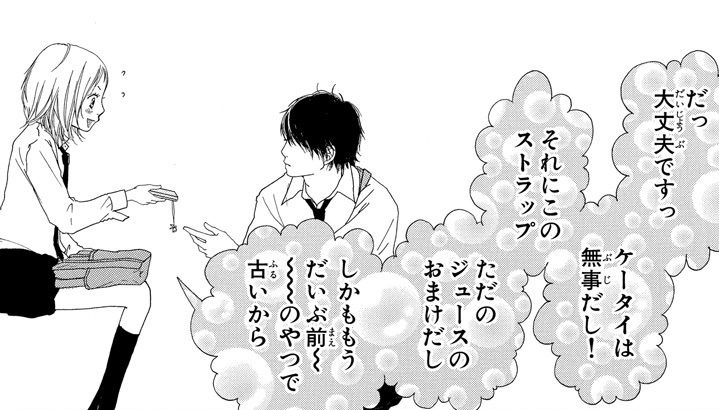
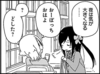
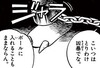
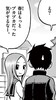
After school, Ninako notices Ren sleeping a few seats away on the train. When Ren wakes and rushes for his stop, he knocks Ninako’s phone from her hand. The phone hits the floor, and the strap charm breaks. Ren misses his exit while apologizing and offers to replace the charm.
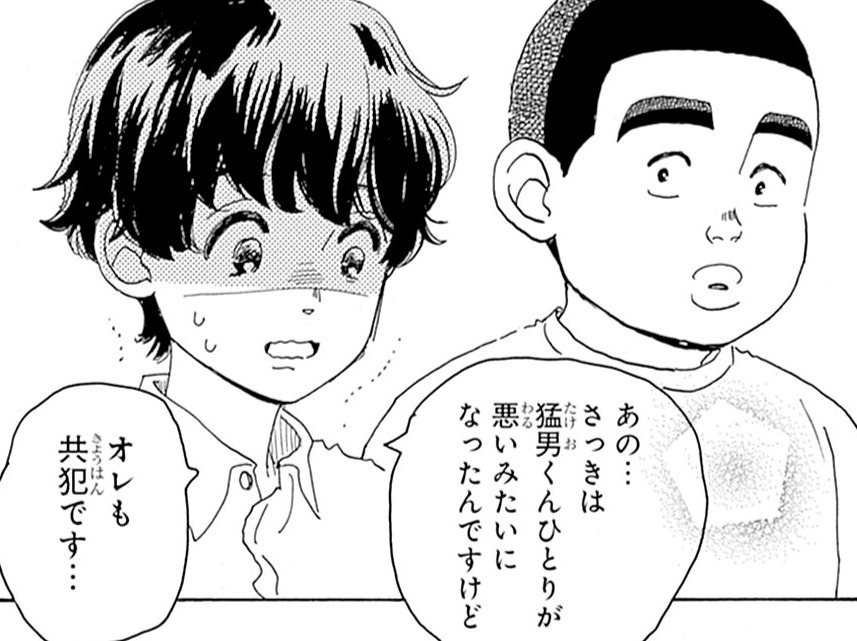
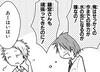
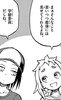
Yacchin eats little and dislikes many foods, so his friend Takeo helps by eating the parts of his lunch he doesn’t like. A teacher catches sight of this and yells at them not to give or take food from one another. When the coast is clear, Takeo continues, only to be sighted and punished by the teacher. Yacchin goes up to the teacher afterward.
やっちん:
「あの… さっきは猛男くんひとりが悪いみたいになったんですけどオレも共犯です…」
“Um... It seemed like Takeo was the only one at fault just now, but I was in on it too...”
Yacchin says Takeo looked like the only person at fault and adds himself with オレも. He uses も in the place that は or が would occupy in a statement about him.
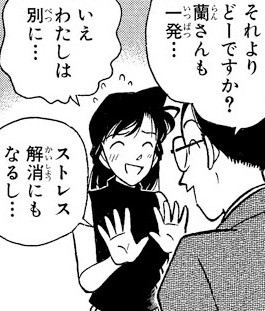
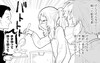
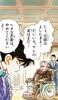
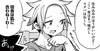
Kogorao, Ran, and Conan are at a convention for game software makers, since Kogoro helped as a consultant for a murder mystery video game. There, a punch strength test game catches Ran’s eye. She sees one of the developers throw a punch at it.
竹下:
「それよりとーですか?蘭さんも一発…」
“What about you? Would you like to take a shot at it, too?”
Takeshita uses 蘭さんも to invite Ran after someone else has tried the machine. He places も after に in ストレス解消にもなる when he presents stress relief as another benefit.




高木さん/thumbnail/からかい上手の(元)高木さん-volume-1-page-113-panel-1.jpg)