Might with 〜かもしれない
Grammar: Possibility » 〜かもしれない
〜かもしれない expresses possibility or uncertainty: “might/may/could.” The colloquial shortened form is 〜かも.
かもしれない combines interrogative か, inclusive も, and 知れない “cannot be known”. The whole expression means that whether the statement is true cannot be known.
Usage Notes
Marks low-to-moderate certainty. The speaker is not confident.
Formation
View formation details
-
Clause + (の) + かもしれない
- 明日は雨が降るかもしれない。
- "It might rain tomorrow."
-
Clause + (の) + かも(casual)
- 彼はもう帰ったのかも。
- "He might have already gone home."
Further Reading
- 〜かもしれない|日本語能力試験 JLPT N4文法 (edewakaru.com)
- 「~かもしれません」話し手の気持ちを表す表現 (tomojuku.com)
Related Grammar
- Presuming with 〜だろう and 〜でしょう (higher certainty)
Examples
Might appear bigger with 〜かもしれない
Grammar Explanation: Might with 〜かもしれない

Due to Chino’s concerns about her height, Rize suggests a solution.
- リゼ:
- 「声が大きければ存在も大きく見えるかもしれない」
- “If your voice is loud, your presence might seem bigger too.”
- ココア:
- 「錯覚ですか」
- “An optical illusion?”
Might get along with 〜かもしれない
Grammar Explanation: Might with 〜かもしれない

Tippy remarks on how Cocoa adapted immediately to working in the café.
- お父さん:
- 「ただあの娘あっという間に店になじんでしまった」
- “Still, that girl settled into the café in no time.”
- ティッピー:
- 「チノにはああいう友達が合ってるかもしれん」
- “Maybe a friend like that suits Chino.”
Might have similar tastes with 〜かもしれない
Grammar Explanation: Might with 〜かもしれない

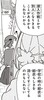
At the library, Cocoa thinks she’s realized which book Chino is trying to find but forgot the title of.
- ココア:
- 「今まで気付かなかったけど」
- “I didn't notice until now, but...”
- 「私本の趣味合うのかもしれないねっ」
- “...maybe we have similar taste in books.”