More than with 〜方が and 〜より
Grammar: Comparison and Contrast » 〜方が and 〜より
In a comparison, 方が marks the side with more of the stated quality, while より marks the baseline.
Nouns take の方が, and な-adjectives take な方が. Verbs and い-adjectives take 方が directly.
Usage Notes
方が marks the side chosen as better or higher on the comparison. より marks the comparison baseline.
より can be left out when the baseline is clear from context. In questions, どちら / どっちの方が asks which side has more of the stated quality.
Related Grammar
-
Than, more, and from with より
- より also forms comparisons without 方, means "more" before an adjective or adverb, and marks starting points in formal language.
Examples
More dislikes with 〜方が and 〜より
Grammar Explanation: More than with 〜方が and 〜より

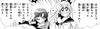
At breakfast, Chino leaves items untouched. Cocoa comments on this as they head out for school.
- ココア:
- 「私よりチノちゃんの方が好き嫌い多いよ」
- “Chino has a lot more likes and dislikes than I do.”
- 「大きくならないよ」
- “You won't grow any taller.”
Supplemental Examples
Try finding this grammar in the following examples: