Presuming with 〜だろう and 〜でしょう
Grammar: Conjecture » 〜だろう and 〜でしょう
だろう and polite でしょう mark a prediction or assumption. With rising intonation, they can also ask for agreement: “right?” or “don’t you think?”
Related Grammar
- Might with かもしれない
Examples
Do you believe such about our customers with 〜でしょう
Grammar Explanation: Presuming with 〜だろう and 〜でしょう

Cocoa points out the plainness of the cups at the Rabbit House café.
- ココア:
- 「もっと色んなのがあったらきっとみんな楽しいよ!」
- “I'm sure everyone would have fun if we had more kinds!”
- チノ:
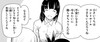
- 「そうでしょうか?」
- “Do you think that's so?”
How about some cookies with 〜でしょう
Grammar Explanation: Presuming with 〜だろう and 〜でしょう

After serving tea to her friends, Syaro brings out a plate of cookies.
- シャロ:
- 「ハーブを使ったクッキーはいかがでしょう?私が焼いたんですが…」
- “How about some cookies made with herbs? Although I'm the one who baked them...”
- ◯:
- 「シャロが作ったのか」
- “You made these, Syaro?”
Isn't the café named as such with 〜でしょう
Grammar Explanation: Presuming with 〜だろう and 〜でしょう

Now that she’s a barista at the Rabbit House café, Cocoa suggests an improvement for their barista uniforms.
- ココア:
- 「このお店の名前ラビットハウスでしょう?」
- “This place is called Rabbit House, right?”
- 「ウサ耳つけないの?」
- “How about if we add bunny ears?”
- チノ:
- 「ウサ耳なんてつけたら違う店になってしまいます」
- “If we put on bunny ears, it would turn into a different kind of shop.”


Supplemental Examples