Quoting and reporting with と and って
Grammar: Hearsay
と and its casual counterpart って are the main ways Japanese marks quoted speech, thoughts, names, sounds, and reported information. It is often followed by verbs like 言う, 思う, 聞く, and 呼ぶ.
Usage
Put the quoted words or quoted idea before と or って, then add the verb that says what happened to that content: said, thought, heard, called, wrote, asked, and so on.
The quote can be exact words, or it can be an indirect report of the meaning. In casual speech, the verb after って is often shortened or left understood from context.
Formation
- Direct quote + と + 言う
- 「行きます」と言った
- "She said, "I'll go""
- Plain clause + と + 思う
- 今日は寒いと思う
- "I think it is cold today"
- Plain clause + って + 聞く
- 明日休みだって聞いた
- "I heard that tomorrow is a day off"
- Direct quote + って + 言う
- 「大丈夫」って言った
- "She said, "It's okay""
Direct quotes
When Japanese gives someone’s exact words, the quoted line comes before と and a verb such as 言う.
- 先生は「静かにしてください」と言った。
- The teacher said, “Please be quiet.”
The quotation marks help show that the words are exact, but と is what connects those words to 言った.
Indirect quotes
The quoted part can also be an idea rather than the speaker’s exact wording.
- 彼は明日来ると思う。
- I think he will come tomorrow.
With noun and な-adjective sentences, だ often stays inside the quoted clause in casual style.
- 彼女は学生だと聞いた。
- I heard that she is a student.
Casual って
って is the casual, speech-like version of quotation と.
- 海野くんはテストで95点だったって聞いた。
- I heard Umino scored 95 points on the test.
In conversation, the verb after って can be dropped when it is obvious.
- 明日雨だって。
- They say it will rain tomorrow.
The quote keeps its own grammar
Everything before と or って belongs inside the quoted content. Any particles inside the quote keep their original roles there.
- 友達に「あの店は駅から近いね」って言われた。
- A friend told me, “That shop is close to the station.”
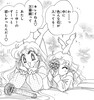
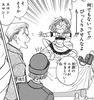
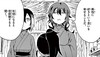
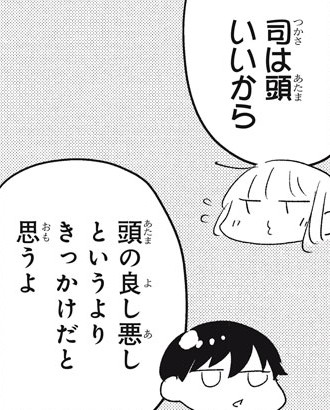
The は in あの店は is part of what the friend said. It is not marking the subject of 言われた. Sanae’s teacher, Mr. Tanabe, proposes to her older sister, who is also a teacher at the school. Ayumu tries to throw a basketball into the basket, only to have it bounce back and hit her in the face. After waking in the infirmary, she learns from her friend that Luna carried her there. When Luna denies it, Ayumu says she would have been happy if he did. Makoto and Tsukasa meet to study for an upcoming test. When Makoto spends her study time complaining about it, Tsukasa asks if she hates studying. Makoto says it’s not that she hates it so much as it’s difficult. She asks if Tsukasa likes studying, and he says it’s fun to learn new things and connect them to his everyday life.Examples
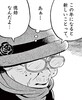
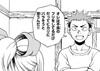
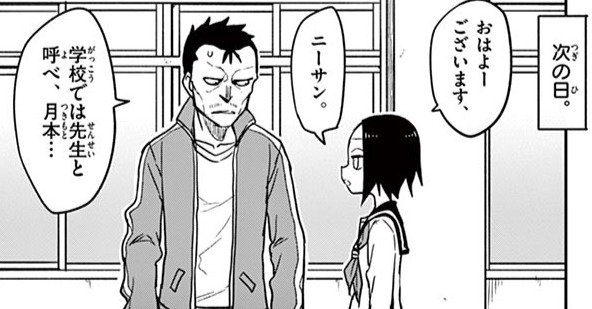
Call me Teacher with と呼べ
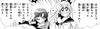
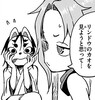
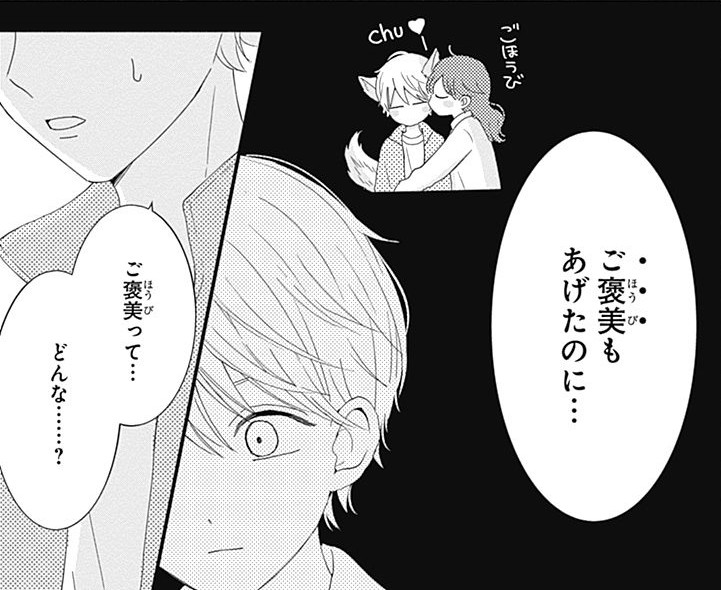
Quoting a reward with って
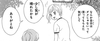
Thinking it's the motive with と思う
Supplemental Examples