Receiving kindness with 〜てくれる
Grammar: Giving and Receiving » 〜てくれる
The grammar pattern Verb + てくれる describes someone doing an action for the benefit of the speaker, the speaker’s group, or someone the speaker is emotionally aligned with. The action itself may be ordinary, but くれる frames it as something received gratefully from another person.
Formation
View formation details
-
Verb て-form + くれる
- 作ってくれる
- "makes it for me"
-
Person + が + Verb て-form + くれる
- ココアさんがシチューを作ってくれる
- "Cocoa makes stew for us"
-
Verb て-form + くれて + thanks
- 来てくれてありがとう
- "Thanks for coming"
Perspective
The key difficulty is perspective. With 〜てくれる, the doer moves toward the speaker’s side.
- ココアさんがシチューを作ってくれる。
- Cocoa makes stew for us.
Cocoa is the one cooking, but the sentence is told from the side of the person who benefits.
Who Benefits
The beneficiary is usually the speaker, “us”, or someone the speaker cares about. It does not always have to be literally “me”.
- 先生が妹を助けてくれた。
- The teacher helped my little sister.
The teacher helped the sister, but the speaker presents the action as something welcome to the speaker’s side.
Common Uses
Use 〜てくれる for favors, helpful actions, emotional appreciation, or requests.
- 手伝ってくれる? = Will you help me?
- 聞いてくれてありがとう。 = Thanks for listening.
- 待ってくれない? = Could you wait for me?
In casual speech, 〜てくれる can contract to 〜てくれ, especially in direct requests such as 待ってくれ.
Related Grammar
-
Doing for someone with 〜てあげる
- Uses the giver's side of the favor instead of the receiver's side.
-
Having someone do something with 〜てもらう
- Focuses on the beneficiary receiving an action from someone.
-
Want you to do something with 〜てほしい
- Expresses wanting someone to do something, not receiving the action as a favor.
Examples
Happy you came running over for me with 〜てくれる
Grammar Explanation: Receiving kindness with 〜てくれる
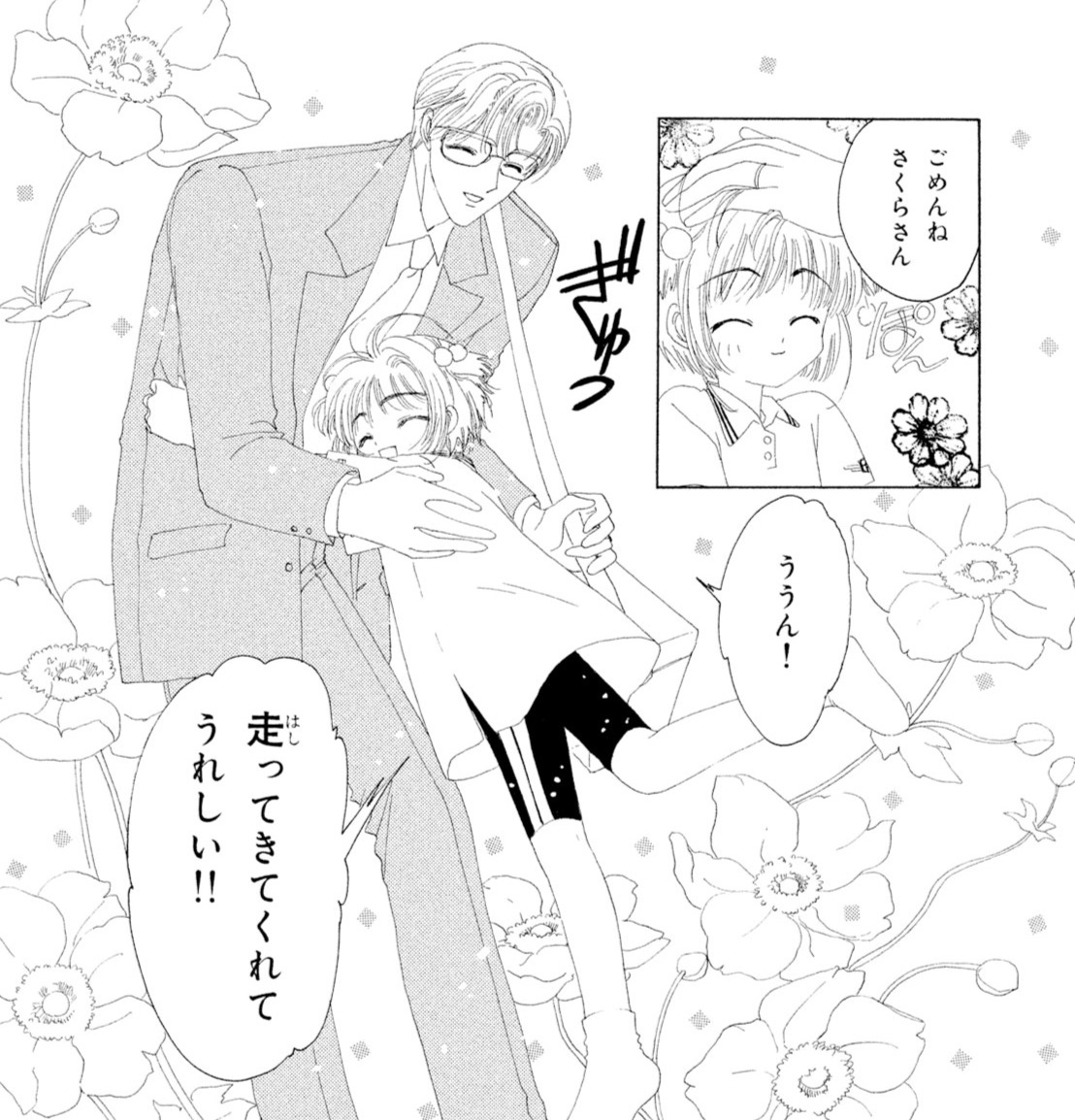
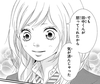
Sakura’s older brother and his friend show up for her school’s sports day event. During their picnic lunch, Sakura’s father runs up to the group and apologizes for missing the cheerleading event Sakura participated in. Tomoyo assures him she recorded it on video, and Yukito says he took photographs.
- 藤隆:
- 「ごめんね さくらさん」
- “I'm sorry, Sakura.”
- 桜:
- 「ううん!」
- “No, no!”
- 「走ってきてくれてうれしい!!」
- “I'm so glad you came running over!!”
Wave for me with 〜てくれる
Grammar Explanation: Receiving kindness with 〜てくれる

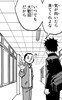
Yotsuba and her father are driving to their new home. As they pass a school letting out, Yotsuba waves to a student. When the student waves back, Yotsuba tells her father to wave too.
- よつば:
- 「おねーちゃんが手ぇふった! とーちゃんもふれ!」
- “The girl waved! Daddy, you wave too!”
- 父さん:
- 「とーちゃん手がはなせないからな俺の分もよつばがふってくれ」
- “Dad's hands are full, so Yotsuba, please wave for me too.”
Supplemental Examples