Receptive verbs with 〜れる
Grammar: Unsorted » 〜れる
A receptive verb puts the person or thing receiving an action in the subject position. Form it by adding れる to a ごだん verb’s negative stem or られる to an いちだん stem. くる becomes こられる, and する becomes される.
が marks the recipient as the subject. に commonly marks the person performing the action.
Usage Notes
People call this form passive, but Japanese often puts the affected person in the subject position.
The same れる / られる shape may overlap with potential forms. Use particles and context to decide whether the subject receives an action or can do one.
Further Reading
- The Japanese "Passive" – it isn't difficult. And it isn't passive! (learnjapaneseonline.info)
Examples
Receiving a biting with 〜れる
Grammar Explanation: Receptive verbs with 〜れる

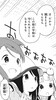
A day of bad luck for Cocoa culminates with Syaro telling her to stay away.
- ココア:
- 「私そんな不運オーラ出てたんだ!」
- “Was I giving off that much bad-luck energy!?”
- 千夜:
- 「小さい頃あんこによくかじられて以来ちょっと恐怖症で…」
- “Ever since she received bites by Anko a lot when she was little, she's a bit traumatized...”
Receiving a haunting with 〜れる
Grammar Explanation: Receptive verbs with 〜れる

An impromptu sleepover during a storm turns into a ghost story telling session, even after the power goes out.
- チノ:
- 「今日はもう寝ましょう」
- “Let's just go to bed for tonight.”
- ココア:
- 「ぜ…絶対取り憑かれる…」
- “I-I'm definitely going to receive possession...”
Receiving a held image with 〜れる
Grammar Explanation: Receptive verbs with 〜れる

Syaro returns home after seeing Rize at the store.
- シャロ:
- 「リゼ先輩に余計なイメージもたれた…」
- “A wrong impression of me has become held by Rize-senpai...”
- 「あと頭にへんな生物が…」
- “And there was a strange creature on her head...”
- 千夜:
- 「ココアちゃん達に会ったのね!」
- “So you met Cocoa and the others!”


Supplemental Examples
高木さん/thumbnail/からかい上手の(元)高木さん-volume-15-page-36-panel-2.jpg)