After a person, 〜のこと makes that person the target of a feeling, a thought, an action, or talk. 田中さんのことが好き is “I like Tanaka”, and 田中さんのことを話した is “I talked about Tanaka”.
With some words, のこと is optional. With others, it’s required. 好き works either way, but 話す and 聞く need のこと (or について) to take a person: you can talk about a person, but you can’t “talk” a person.
Usage Notes
With feelings and personal actions, the optional のこと belongs to conversation, as in オレのこと好き? News reports don’t use it.
In casual speech, the particle after のこと often drops: 私のこと覚えてる? When particles drop, のこと still shows who the feeling or action is aimed at.
のこと can be swapped for について only when it means “things about” someone, as with 話す and のことで. It can’t replace the のこと with 好き: ×田中さんについて好きだ.
Watch for lookalikes that aren’t about a person. 昨日のこと and あの時のこと are “what happened yesterday” and “what happened then”. 本当のこと is “the truth”, and 何のこと? is “What are you talking about?” 自分のことは自分でやる is “I’ll handle my own affairs.” Verb + こと, as in 行くこと or 〜ことにする, has no の. And in 先生のことば, ことば is the word “words”.
Formation
View formation details
Person + のこと + が + 好き/嫌い
先輩のことが好きです
"I like you, senpai."
Person + のこと + (particle dropped) + predicate
オレのこと好き?
"Do you like me?"
Person + のこと + を + thinking or worrying verb
君のことを考えてる
"I'm thinking about you."
Person + のこと + を + saying or asking verb
母に彼のことを話した
"I told my mom about him."
Person + のこと + は + name + と/って + 呼ぶ
私のことはアヤって呼んで
"Call me Aya."
Person + のことで
弟のことで相談があるんだ
"I need your advice about my brother."
Person + のことだから
あいつのことだから、また遅れるだろう
"Knowing him, he'll be late again."
Person + のこととなると
娘のこととなると必死だ
"When it comes to his daughter, he's desperate."
Liking and Disliking Someone
With 好き, 嫌い, 大好き, and similar words, のこと is optional. 田中さんが好き and 田中さんのことが好き both mean “I like Tanaka”.
のこと presents the person along with everything around them, not just the person alone.
This のこと is mostly used with people. It also turns up with a place or pastime someone feels attached to, like 日本のことが好き, but not with an everyday like: ×りんごのことが好き. And unlike the talking-about use below, it can’t be swapped for について.
Example 1 of 2: You like me, don't you with 〜のこと好き
A smug young man falls into step beside Ran and asks オレのこと好きなんだろ?, “You like me, don’t you?” The が after のこと has dropped. Ran shoots back by calling him a punk out of a drugstore commercial.
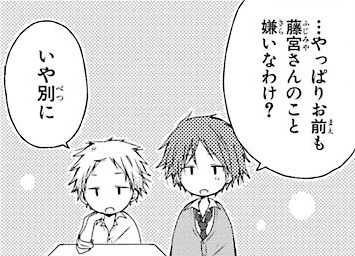
Example 2 of 2: Do you dislike Fujimiya too with 〜のこと嫌い
Hase wants to become friends with his classmate Fujimiya, but she keeps everyone at a distance, and the class has written her off as cold. Hase has been telling his friend Shogo about her.
The class has written Fujimiya off as cold, and Hase half expects his friend Shogo to feel the same way. 藤宮さんのこと嫌い aims 嫌い at her. 藤宮さんが嫌い would mean the same thing.
Thinking About and Remembering Someone
考える needs のこと when its object is a person. 花子のことを考えている is “I’m thinking about Hanako”, and ×花子を考えている doesn’t work.
Many other verbs of thinking, memory, and concern can take a person with or without のこと: 思い出す, 忘れる, 覚えている, 心配する, 気にする, and 信じる. 太郎を心配している and 太郎のことを心配している both work. With verbs of thinking and memory, though, the のこと version often sounds more natural in conversation: 私のこと覚えてる?, “Do you remember me?” or あなたのことは一生忘れません, “I’ll never forget you.” 思う fits here too: 俺のことどう思ってる? is “What do you think of me?”
With 思い出す, the のこと version suits recalling who someone was. If a friend’s hints help you place a person you’d forgotten, やっと花子のことを思い出したよ, “I finally remembered Hanako”, is better than the bare version.
知っている can go either way too. 田中さんを知っている leans toward knowing Tanaka personally. 田中さんのことを知っている leans toward knowing things about him, like what he’s like and what he likes. The two overlap, so treat this as a tendency.
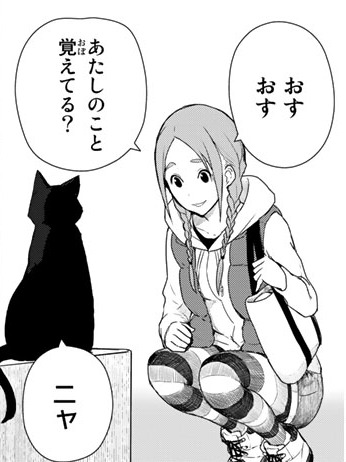
Nao crouches to greet Chito, the Kowata family’s black cat, whom she hasn’t seen in a while. あたしのこと覚えてる? drops both the を after のこと and the い of ている, as casual speech often does.
Example 2 of 5: Was she really worried about me with 〜の事心配
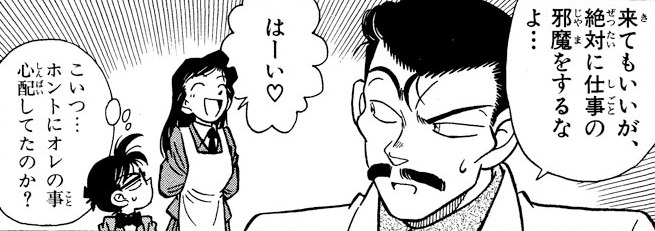
Conan recently learned from Professor Agasa that Ran had come to him in tears because Shin’ichi had disappeared. Now the idol Yoko Okino has hired Kogoro to look into a stalker, and Ran begs to come along so she can see what an idol’s apartment looks like.
小五郎:
「来てもいいが、絶対に仕事の邪魔をするなよ…」
“You can come, but don't you dare get in the way of my work...”
Ran cried when Shin’ichi went missing, but now she’s thrilled to visit an idol’s apartment, and Conan, who is secretly Shin’ichi, has his doubts. オレの事心配してた writes のこと in kanji. 心配する takes a person with or without it.
Example 3 of 5: Thinking about Mie the whole time with 〜のこと考える
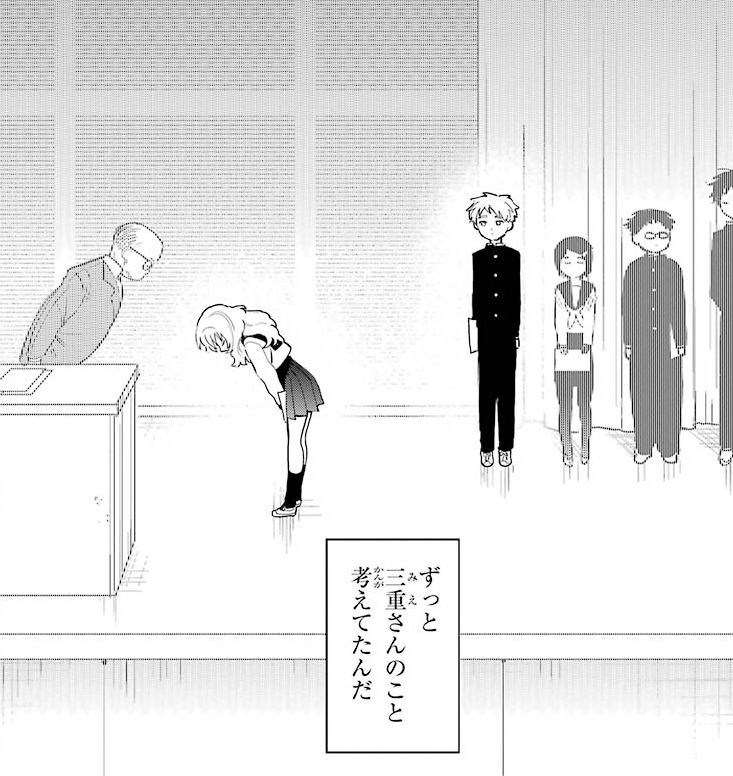
Komura and Mie are both receiving certificates at a school assembly. Earlier, Mie told him that thinking about fun things makes time fly. Now, as Mie marvels at how fast the year went, Komura recalls her words and thinks back to the day a year ago when he first thought her eyes were beautiful.
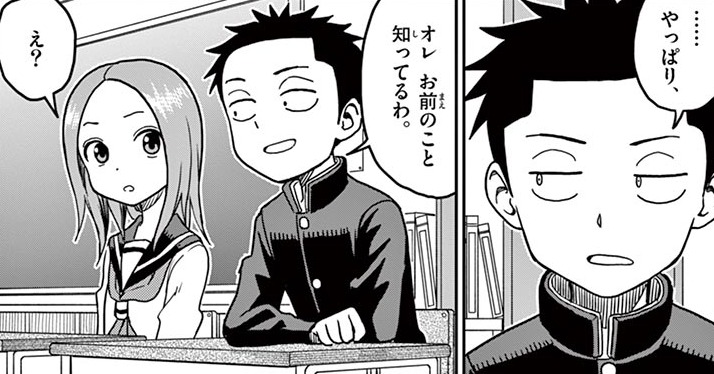
It’s Chii’s first day of middle school. During self-introductions, the boy sitting behind her keeps staring at her, then asks whether they’ve met before. Chii teases him by asking if he’s hitting on her, and he insists he’s just a little curious.
On Chii’s first day of middle school, the boy behind her has been staring, sure they’ve met. お前のこと知ってる is “I know you”. He means he knows who she is, not facts about her.
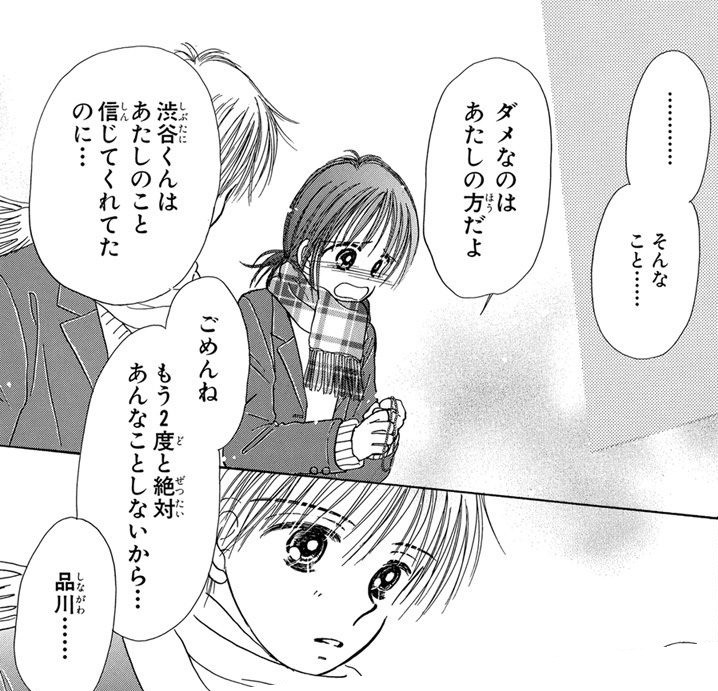
Miku secretly opened a text message on Shibuya’s phone and came to suspect him of seeing their senior, Yoyogi. Shibuya has just cleared up the rumors about him and Yoyogi, given Miku her White Day present early, and apologized for being such a hopeless boyfriend.
みく:
「………そんなこと……」
“...That's not...”
「ダメなのはあたしの方だよ」
“I'm the hopeless one.”
「渋谷くんはあたしのこと信じてくれてたのに…」
“You trusted me the whole time, and I...”
「ごめんね もう2度と絶対あんなことしないから…」
“I'm sorry. I'll never, ever do anything like that again...”
Miku apologizes to Shibuya for reading his messages behind his back. あたしのこと信じてくれてた is “you trusted me”. 信じる takes a person with or without のこと.
Doing Things for or to Someone
Verbs of action can take an optional のこと too, when the target is a person. Common ones are 守る, 待つ, 探す, 見る, and 見守る. ずっとあなたのことを探していたのよ is “I’ve been looking for you all this time”, and 私のこと守ってくれたよね is “You protected me, didn’t you?”
These lines show the speaker’s feelings about the person, or describe looking for, finding, or waiting for them, with 探す, 見つける, or 待つ. The feelings often come through an ending like てくれる or てやる. A flat report of a direct action gets mixed judgments: ?花子のことを殴った, “I hit Hanako”, sounds odd to many speakers, but 花子のことを殴ってやりたい, “I’d like to hit Hanako”, is fine. With things, のこと doesn’t fit: ×おもちゃのことを壊した.
Verbs of saying, telling, and asking need のこと with a person: 話す, 言う, 聞く, 伝える. 恋人のことを親に話した is “I told my parents about my partner”. ×恋人を親に話した doesn’t work. You talk about things to do with a person, so のこと turns the person into “things about them”.
Here のこと means “about”, so you can swap it for について: 恋人について話した.
Keep an eye on the particle. 田中さんに聞く is “ask Tanaka”, and 田中さんのことを聞く is “ask about Tanaka” or “hear about Tanaka”.
Verbs of praise and criticism, like ほめる, 叱る, and 批判する, take a person either way. With ほめる, のこと can suggest the person wasn’t there: 先生が太郎のことをほめていた suggests the teacher praised Taro while he was away.
With で, のこと gives the matter behind advice, a talk, or a quarrel: 弟のことで相談があるんだ, “I need your advice about my brother”, or 子どものことで妻とけんかになった, “I got into a fight with my wife over our kid.”
Example 1 of 3: Did you tell her about me with 〜のこと話す
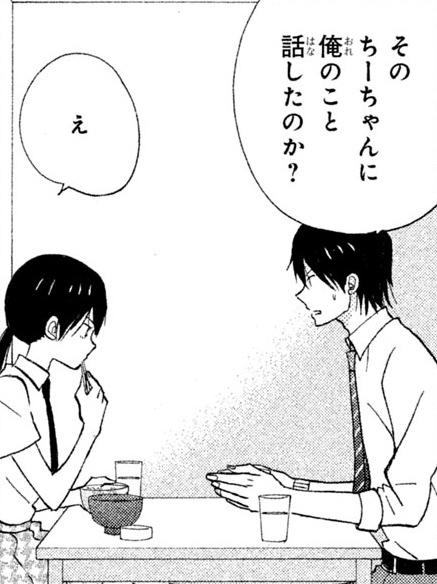
Mao has been learning to cook from her friend Chi. She made dinner, but Hiro’s portion alone had yogurt, jam, and gum in it as a “secret ingredient”. When Hiro demands to know why, Mao explains that Chi suggested it after Mao told her that Hiro likes sweet things.
Mao has been taking cooking lessons from her friend Chi, and Hiro has just found out that Mao told her about his sweet tooth. 俺のこと話した needs のこと, since 話す can’t take a person directly.
Example 2 of 3: We were just talking about you with 〜のこと話す
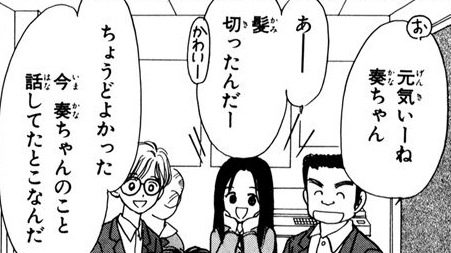
Kana waited years for her childhood friend Kosei, but when he transferred into her class, he turned out to be cold, and her feelings got her nowhere. She cut the hairstyle she’d kept for him and resolved to become a new person. Now she bursts into the newspaper club room with a cheerful hello.
Fujimiya’s memories of her friends reset every week, and Hase has been the only one who knows. With her permission, he decides to tell his friend Shogo, who he trusts not to spread it around, and asks Shogo to join them for lunch on the roof. Shogo asks why.
長谷:
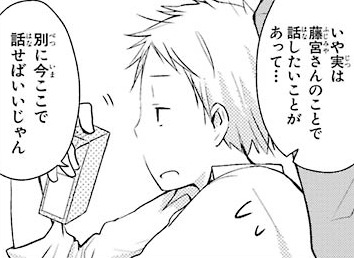
「いや 実は藤宮さんのことで話したいことがあって…」
“Well, actually, there's something I want to talk to you about. It's about Fujimiya...”
Hase wants to tell his friend Shogo about Fujimiya’s weekly memory loss, so he asks him up to the roof. 藤宮さんのことで gives the matter he wants to talk about: “concerning Fujimiya”.
Calling Someone Something
呼ぶ with と or って gives someone a name: 私のことはアヤって呼んで, “Call me Aya.” のこと is optional here. 年上の友人を兄と呼ぶ, “call an older friend ‘big brother’”, works without it. In conversation, のこと is common, often with は in place of を to make the person the topic.
〜と思う works the same way. 山田は田中のことを馬鹿だと思っていた and 山田は田中を馬鹿だと思っていた both mean “Yamada thought Tanaka was an idiot.”
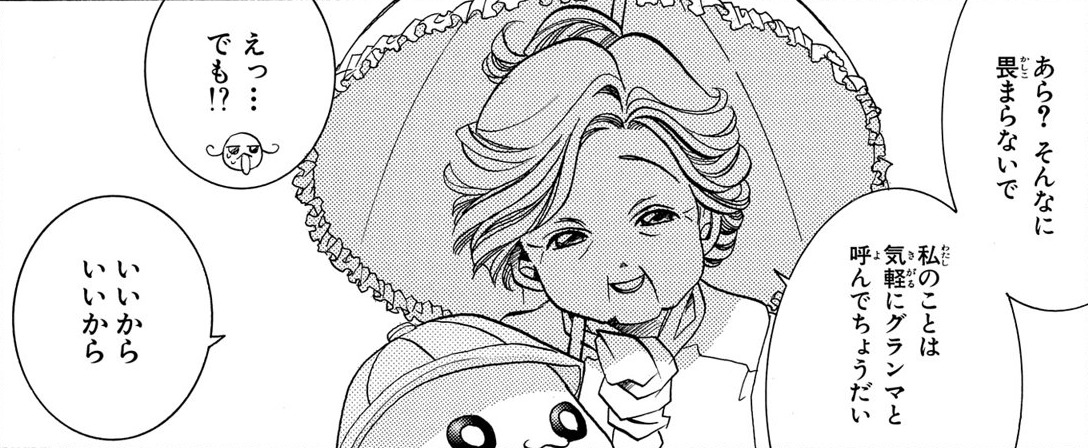
Akari, Aika, and Alice have come to the countryside to train under Grandma, the legendary undine who founded Aria Company. When she greets them by name, Akari blurts out, “Are you… Grandma?” Aika scolds her, then introduces herself with stiff formality, calling the woman “the illustrious Grandmother”, and saying it is an honor to meet her.
Aika greets the founder of Aria Company with her stiffest formal Japanese, and Grandma waves it off: 私のことは気軽にグランマと呼んでちょうだい, “Feel free to just call me Grandma.” 私のこと is the person being named, は makes “me” the topic in place of を, and と marks the name.
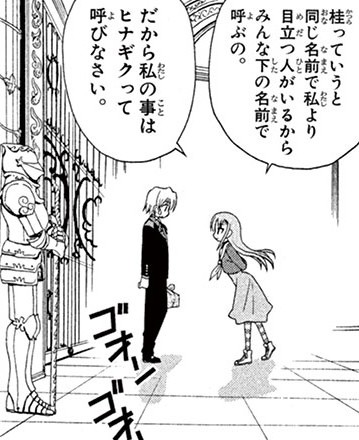
Hayate helped Hinagiku, the student council president, rescue a baby bird. As thanks, she took him to the top of the clock tower, where the council room is. When he politely brushed off her hint that he’d be back, calling her “Katsura-san”, she told him to call her Hinagiku instead, which left him puzzled.
ヒナギク:
「桂っていうと同じ名前で私より目立つ人がいるから みんな下の名前で呼ぶの。」
“There's someone else named Katsura who stands out more than I do, so everyone calls me by my first name.”
Hinagiku explains that another Katsura stands out more than she does, so everyone uses her given name. 私の事はヒナギクって呼びなさい uses って in place of と and writes のこと in kanji.
Example 3 of 4: Not used to calling friends by name with 〜のこと名前で呼ぶ
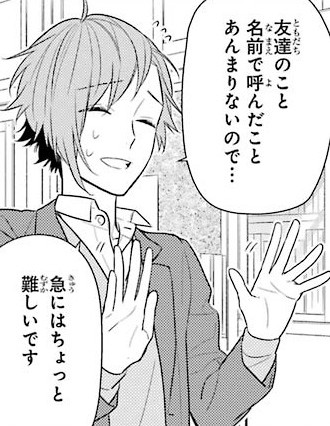
Yanagi speaks politely to everyone in the group, though he talks casually with Yuki. Iura tells him to call everyone by their first names and announces that he’ll call Yanagi “Akane” from now on. Then he asks Yanagi to call him by his first name too.
柳:
「友達のこと名前で呼んだことあんまりないので…」
“I've hardly ever called my friends by their names, so...”
Iura has asked the polite Yanagi to call him by his first name. Yanagi hesitates: 友達のこと名前で呼んだことあんまりない, “I’ve hardly ever called friends by their names.” で marks the way someone is addressed, where と would mark the name itself.
Example 4 of 4: Just call me Chihiro with 〜のことは〜でいい
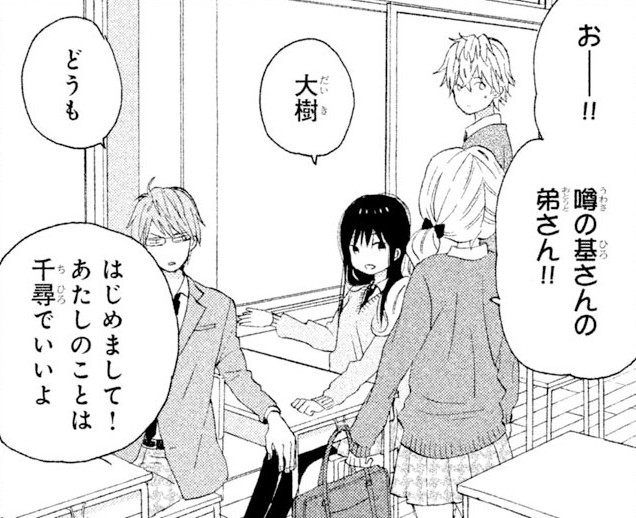
Hiro’s younger brother Daiki has transferred into Mao’s class. Mao introduces him to her friend Oda, and Daiki is put out that her friend is a good-looking guy. Then Mao’s best friend, Chi, drops by the classroom to visit.
千尋:
「おーー!! 噂の基さんの弟さん!!」
“Ohhh!! So this is Hiro's little brother I've heard so much about!!”
Chihiro introduces herself to Mao’s classmate Daiki. あたしのことは千尋でいいよ is “you can call me Chihiro”. The verb 呼ぶ is left out, since でいい makes the meaning clear.
Person + のこと can also say who someone means. 私のこと? is “You mean me?”, and 誰のこと? is “Who do you mean?”
Judging by Someone’s Character with 〜のことだから
〜のことだから bases a guess on what someone is like: “knowing them”. あいつのことだから、また遅れるだろう is “Knowing him, he’ll be late again.” The person is someone both speaker and listener know, and the rest of the sentence is a judgment or guess about them. It’s normally about someone else, not the speaker.
The guess can be good or bad. まじめな山川さんのことだから、きっとうまくやるよ is “Yamakawa’s so conscientious, he’s sure to do it well.” A description like まじめな, or just あの, often comes first.
It can also point to a kind of person: 子供のことだから、大目に見てください, “They’re only children, so please go easy on them.”
Cut short to 〜のことだ, it ends a sentence, and the guess follows: あいつのことだ。たぶんまだ家で寝てるんだろう, “It’s him we’re talking about. He’s probably still asleep at home.”
Example 1 of 3: Knowing you, there was a reason with 〜のことだから
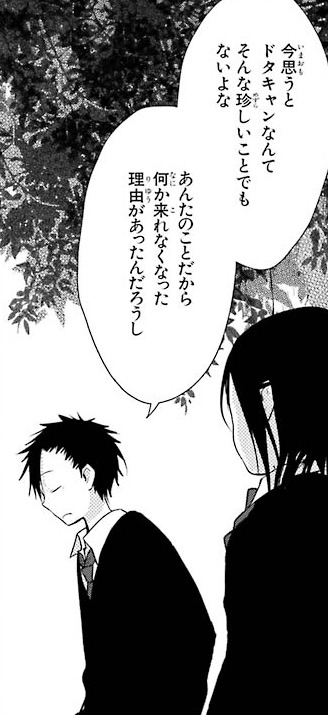
Kujo, Fujimiya’s childhood friend, has transferred to her school. He tells her that before he moved away, she promised to meet him at the park one Sunday evening, but she never came, though he waited until he had to leave for Hokkaido. He felt betrayed, since she wasn’t the type to break a promise. Fujimiya doesn’t remember any of it, and Kujo shrugs that he was just a kid back then.
九条:
「今思うと ドタキャンなんて そんな珍しいことでもないよな」
“Looking back, canceling at the last minute isn't all that unusual.”
「あんたのことだから 何か来れなくなった理由があったんだろうし」
“Knowing you, there must have been some reason you couldn't come.”
Kujo tells Fujimiya she never showed up for a promise they made as children. あんたのことだから backs a kind guess: she isn’t the type to break a promise, so something must have kept her away.
Example 2 of 3: Knowing her, it's probably nothing with 〜のことだから
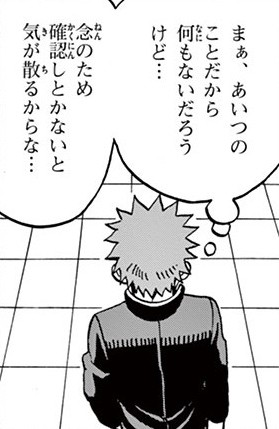
Kenji is staying after school for a study session with Hibino, the girl he likes, but his little sister Kyoko has seemed off all day. On the way, he tells Hibino to go ahead while he stops by the restroom.
Kenji’s little sister has seemed off all day, but he has a study session with the girl he likes. あいつのことだから何もないだろう is “knowing her, it’s probably nothing”. He checks on her anyway.
Example 3 of 3: Expecting a ball to the face with 〜のことだから
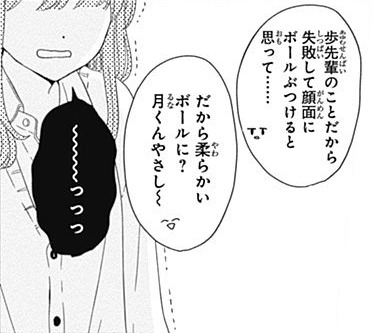
Ayumu is fed up with her junior, Luna, who tops his class and is the ace of the track team. While she and a friend watch him play basketball, he teases her, and Ayumu insists she can make a shot too. Luna hands her a ball, but it’s half deflated.
月:
「歩先輩のことだから失敗して顔面にボールぶつけると思って……」
“Knowing you, Ayumu, I figured you'd miss and get hit in the face with the ball...”
友達:
「だから柔らかいボールに? 月くんやさし〜」
“So that's why you gave her a soft ball? Luna, you're so sweet!”
Luna hands Ayumu a half-deflated ball and explains why. 歩先輩のことだから bases a teasing guess on how clumsy she is: she’d miss and hit herself in the face.
When It Comes to Someone with 〜のこととなると
〜のこととなると says someone acts unlike their usual self where a person is concerned. 厳しい部長も、お子さんのこととなると表情が変わる is “Even our strict manager’s face changes when it comes to his kids.” The rest of the sentence describes how they act. It works with topics that aren’t people, too, like 鉄道のこととなると, “when it comes to trains”.
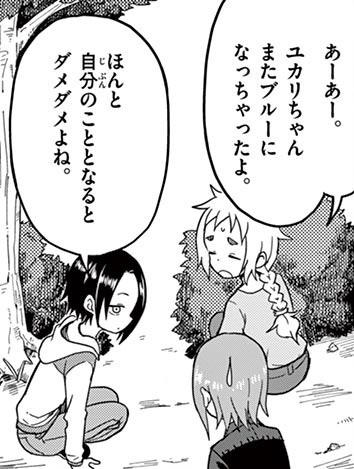
Yukari is out with her friends Mina and Sanae when they spot the Nishikata family and follow them at a distance. Watching Chii ride on her father’s back as she races her mother home, Yukari sighs that she wants a marriage like that someday.
ミナ:
「あーあー。ユカリちゃんまたブルーになっちゃったよ。」
“Uh-oh. Yukari's feeling blue again.”
サナエ:
「ほんと自分のこととなるとダメダメよね。」
“She really falls apart when it comes to herself.”
Yukari loves other people’s romances, but watching the Nishikata family makes her gloomy about her own. 自分のこととなるとダメダメ is “hopeless when it comes to herself”.