ぞ and ぜ are sentence-ending particles with a rough, masculine sound. Like よ, they tell the listener something, but they hit harder. ぞ pushes the point at the listener, as in 危ないぞ!, “careful, that’s dangerous!” ぜ is bolder and more buddy-like, as in 行こうぜ!, “let’s go!”
Outside of self-talk like よし、やるぞ, few women use either one in real life, and ぜ sounds rough even from men.
Usage Notes
Both follow the plain form. After a noun or a な-adjective they need だ, so it’s 本気だぞ, never 本気ぞ. よ is different, since feminine speech can put it right after a noun, as in 本気よ.
ぞ is aimed at the listener. It says “notice this” or “take this seriously”, which makes it the natural particle for news, warnings, and insisting. Said to yourself, it braces you for action. ぜ pushes less and shows off more. It’s most at home after the volitional, as in 帰ろうぜ, “let’s head home”, and on statements made with a swagger.
Old men and butlers in manga sometimes put ぞ after polite forms, as in 参りますぞ, “here I come”. Underlings talking to a boss do the same with ぜ, as in 大変ですぜ、兄貴, “we’ve got trouble, boss”. Either way, these particles tell you about the character as much as the sentence.
Formation
View formation details
Verb (plain) + ぞ
おい、遅れるぞ
"Hey, we're gonna be late, you hear?"
い-adjective + ぞ
そこ、危ないぞ
"Careful, that spot's dangerous."
Noun / な-adjective + だ + ぞ
俺は本気だぞ
"I'm serious, I'm telling you."
〜んだ + ぞ
俺だって頑張ってるんだぞ
"I'm trying too, you know."
Sentence + ぞ (self-directed)
よし、行くぞ
"All right, here I go."
Volitional + ぜ
帰ろうぜ
"Let's head home, man."
Sentence + ぜ
俺が勝つぜ
"I'm gonna win, just watch."
Giving a Heads-up with ぞ
The basic job of ぞ is to make the listener notice something. It might be news, a discovery, or a problem the speaker wants everyone to hear about. English gets the same effect with “hey”, “you know”, or “check this out”.
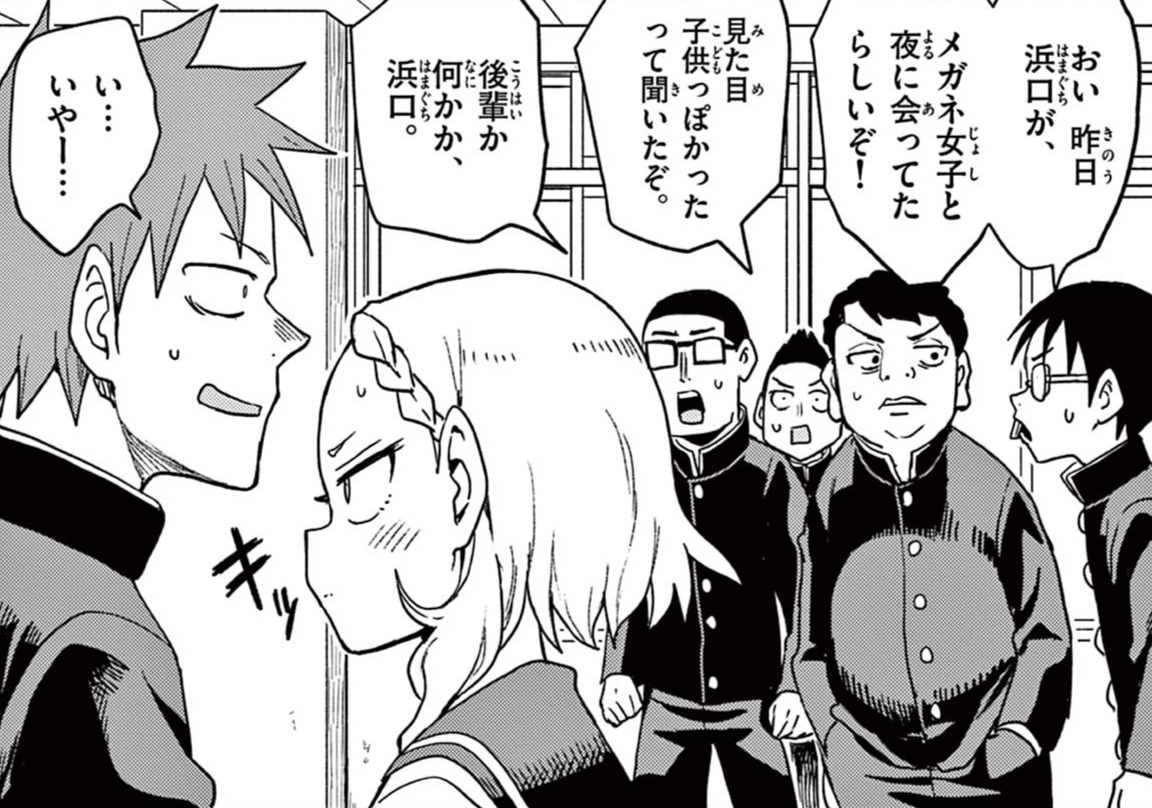
On a nighttime walk, Hamaguchi sees Hokujou casually dressed and wearing glasses. She’s fine with Hamaguchi seeing her like this, as they’ve known each other for a long time, but she tells him not to tell their classmates. At school the next morning…
高尾:
「おい 昨日浜口が、メガネ女子と夜に会ってたらしいぞ!」
“Hey, I heard Hamaguchi was hanging out with a girl in glasses last night!”
Hamaguchi was seen out at night with a girl in glasses, and by morning the whole class knows. Takao passes on the news: 会ってたらしいぞ!, “I heard he was out with her!” Another classmate adds 聞いたぞ, “that’s what I heard”. Each ぞ makes sure everyone takes notice.
Example 2 of 4: Scoring like crazy in the ball-toss event with 玉入れ
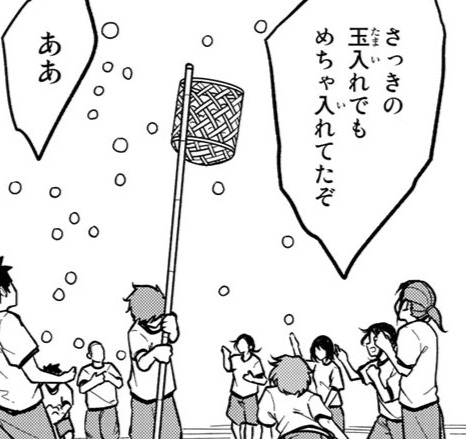
A couple of Urushi’s classmates noticed Tanaka’s athletic performance, starting with his pulling ahead and taking first place in the sports day relay race.
生徒:
「さっきの玉入れもめちゃ入れてたぞ」
“He was scoring like crazy in the ball-toss game earlier, too.”
On sports day, two of Urushi’s classmates are talking about Tanaka, who just won the relay. One of them has more to report: さっきの玉入れもめちゃ入れてたぞ, “he scored a ton in the ball toss earlier, too”. ぞ passes it on as news worth hearing.
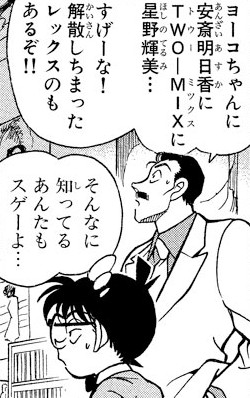
Detective Kogoro gives a young woman a ride home in exchange for concert tickets. While waiting for her to get the tickets, Kogoro notices the livingroom is filled with pop star posters.
小五郎:
「ヨーコちゃんに安斎明日香にTWO―MIXに星野輝美…」
“There's Yoko, and Asuka Anzai, and Two-Mix, and Terumi Hoshino...”
「すげーな!解散しちまったレックスのもあるぞ!!」
“Amazing! There's even the disbanded group Lex!”
コナン:
「そんなに知ってるあんたもスゲーよ…」
“It's also amazing that you know that much about them...”
Kogoro is waiting in a young fan’s living room, and the walls are covered in pop star posters. He even spots a group that has broken up: レックスのもあるぞ!!, “there’s one of Lex, too!” Here ぞ points at a discovery.
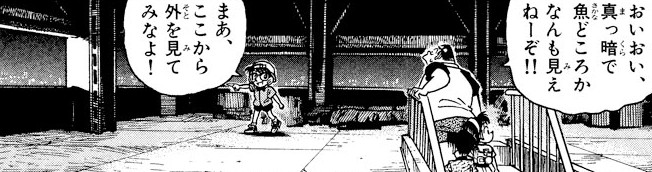
The Detective Boys follow what appears to be an encoded treasure map. They’re able to locate each symbol from the map except for what appears to be a fish. Conan figures it out, and leads the group up a fire escape to the top floor of a nearby building.
元太:
「おいおい、真っ暗で魚どころかなんも見えねーぞ!!」
“Hey, it's pitch black. Far from a fish, I can't even see anything!!”
The Detective Boys have climbed a dark building to find the fish on their treasure map. Genta reports the problem: 真っ暗で魚どころかなんも見えねーぞ!!, “it’s pitch black, I can’t see a thing, never mind a fish!” ぞ makes it a complaint the whole group has to hear. Rough speakers often pair ぞ with ねー for ない, as Genta does here.
Warnings and Threats
A warning is a heads-up about something bad. In fatherly or rough speech, ぞ is the usual way to say “watch out”, as in 危ないぞ, “careful, that’s dangerous”. Aimed at someone’s behavior, the same ぞ becomes a threat, playful or not: 怒るぞ, “I’m going to get mad”.
Yotsuba and her father are driving to their new home, and she’s leaning out the window to wave at a student. あんまりのり出すと危ないぞー is a fatherly “if you lean out too far, it’s dangerous”. The stretched ぞー sounds like a gentle call, not a scolding.
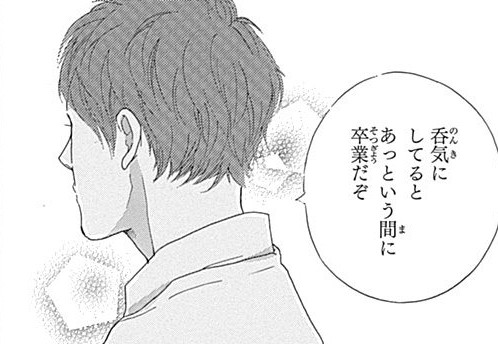
Aya has mostly given up hope of attracting Shuko’s interest away from their teacher, Mr. Tanaka. Tanaka, having no interest in pursuing a relationship with a student, pushes for Aya to keep trying before the situation changes.
田中:
「呑気にしてるとあっという間に卒業だぞ」
“If you act carelessly, it'll be graduation before you know it.”
Aya has nearly given up on Shuko, who has feelings for their teacher, Mr. Tanaka. Tanaka has no intention of dating a student, and he pushes Aya to keep trying: 呑気にしてるとあっという間に卒業だぞ, “take it easy and you’ll be graduating before you know it”. Without ぞ, it’s a plain fact. With it, it’s a warning.
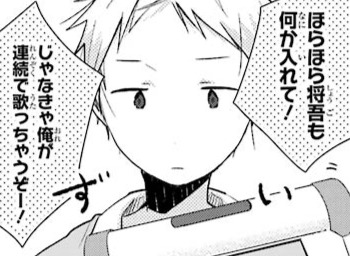
Example 3 of 3: Singing one song after another with 連続
Hase has dragged Shougo to karaoke and wants him to pick a song. If he doesn’t, Hase threatens, 俺が連続で歌っちゃうぞー!, “I’ll just keep singing, one song after another!” It’s a joking threat, and the stretched ぞー keeps it light.
Insisting with ぞ
ぞ also pushes back. When the listener doubts something or has it wrong, ぞ insists on the speaker’s side. 〜んだぞ is especially common, because it explains and insists at once, like “I’ll have you know”.
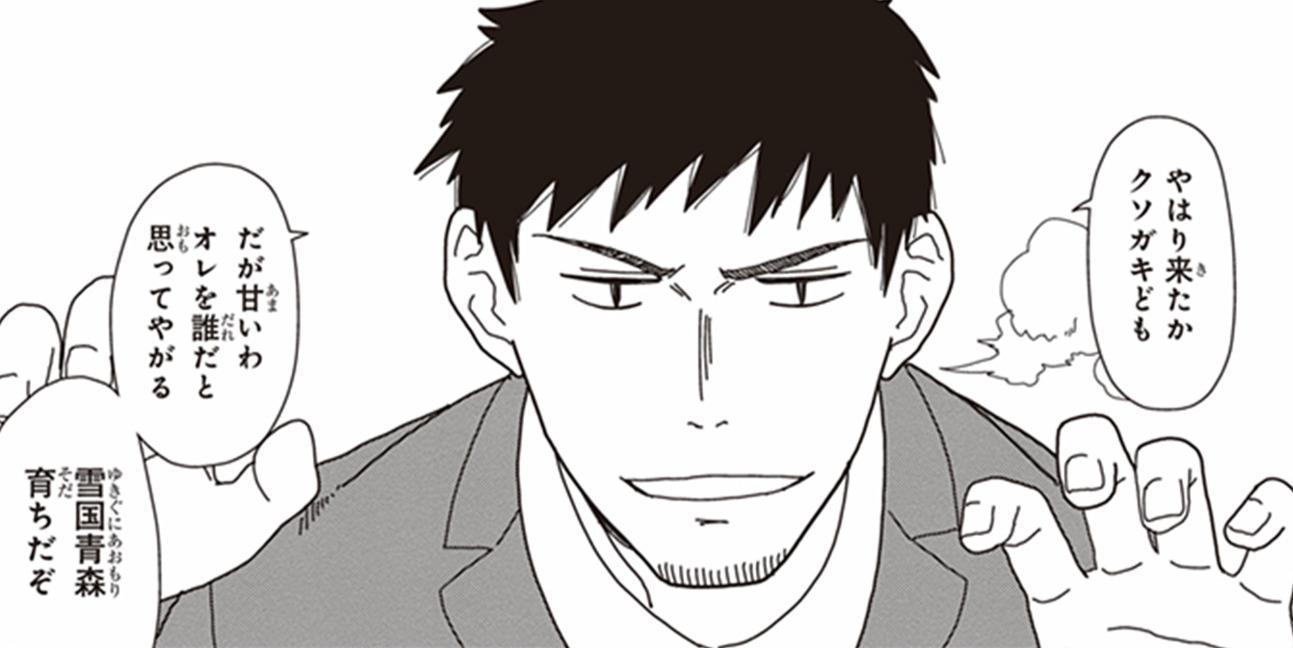
Sacchan, Yui, and Kotoha play in the snow in various ways. After running out of things to do, Sacchan comes up with an idea. They head over to Officer Saitou and greet him with snowballs in hand.
斎藤:
「やはり来たか クソガキども」
“So you came after all, you little brats.”
「だが甘いわ オレを誰だと思ってやがる」
“But you underestimate me! Just who do you think I am?”
Sacchan, Yui, and Kotoha show up at Officer Saitou’s police box with snowballs in hand. He’s ready for them: オレを誰だと思ってやがる, “who do you think I am?” Then comes his credential: 雪国青森育ちだぞ, “I grew up in snowy Aomori!” ぞ insists on the one fact that should scare them off.
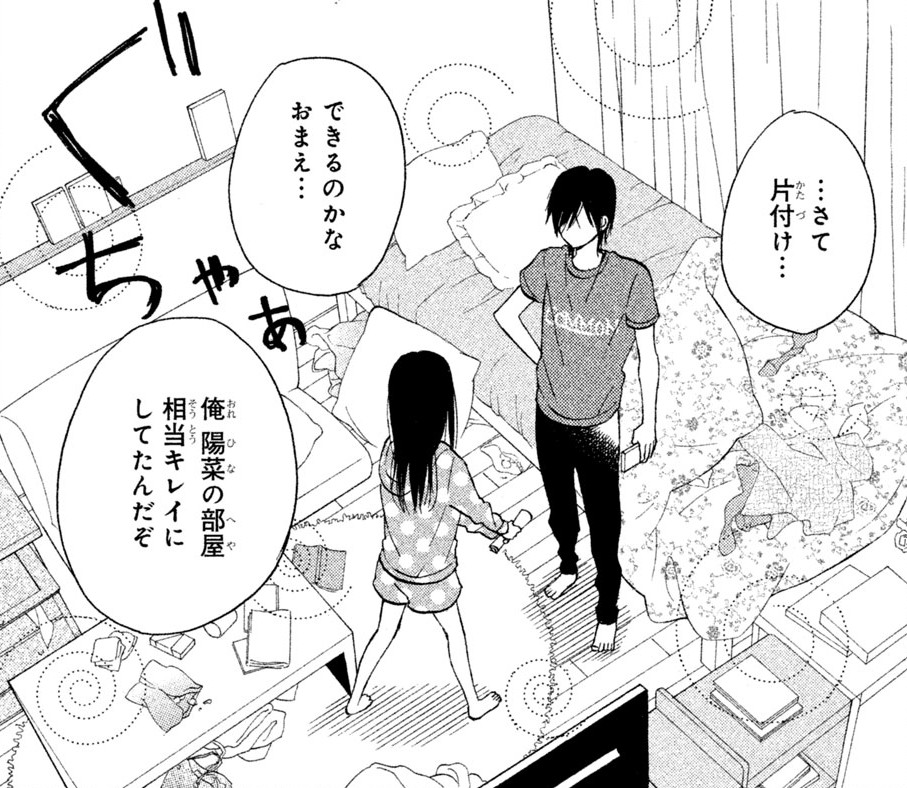
Hiro lets Mao move into his sister’s bedroom, as Hina is living with relatives. After, he comes up with a list of rules that Mao needs to follow if she’s to keep living there.
Hiro has let Mao move into his sister Hina’s room, and he doubts she can keep it tidy. 陽菜の部屋相当キレイにしてたんだぞ is “I kept Hina’s room really clean, you know”. んだぞ explains and insists at once, so Mao knows the standard she has to meet.
Declaring Resolve
Said about the speaker’s own plans, ぞ turns a statement into a declaration. In front of others, it announces a decision the speaker won’t back down from. Alone, it’s a pep talk.
Renge wedges herself into the Ouran High School Host club, appointing herself the club’s manager. Due to her social status, Tamaki and the other wealthy club members are unable to object. Instead, they leave it to Haruhi to oust her.
Renge has made herself manager of the Host Club, and Tamaki leaves it to Haruhi to get rid of her. He calls it training, これもホスト修行だ, “this is host training too”. Then he announces 心を鬼にするぞ!!, “I’m going to harden my heart!” He won’t step in to help. Tamaki calls himself おとーさん, “Dad”, as he often does with Haruhi.
The purest form is self-talk, with no listener at all. よし、頑張るぞ! and よーし、やるぞ are what someone mutters before a test or a big game. This is the one use of ぞ that plenty of women share.
行くぞ! is how a leader gets everyone moving: “let’s go!” or “here we go!” Grammatically it’s a statement, “I’m going”, not an invitation, so it comes from whoever is in charge. A friend suggesting something as an equal is more likely to say 行こう or 行こうぜ.
In real life ぞ sounds masculine, but plenty of manga girls use it, and it tells you what kind of character they are. The uses are the same as for male speakers.
Example 1 of 6: Better to give up fortune telling with 〜た+方がいい
Cocoa told her friends’ fortunes, and every bad one came true for her instead. Rize gives her blunt advice: 今後占いやめた方がいいぞ自分のために, “you’d better quit fortune telling, for your own sake”. Rize’s father is a soldier, and her speech is full of ぞ and だ.
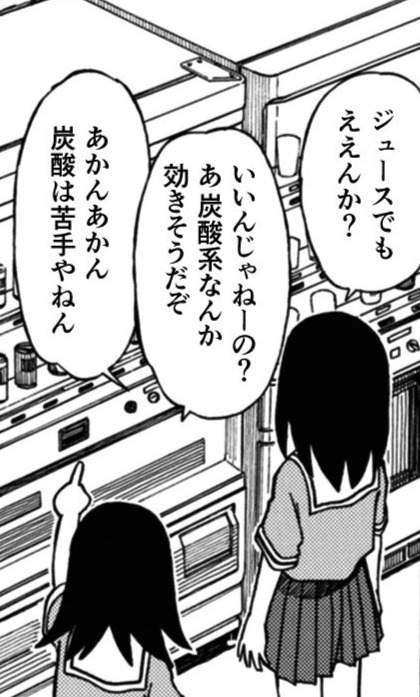
Ayumu has the hiccups and asks whether juice would cure them as well as water. Tomo thinks so, and adds a tip: 炭酸系なんか効きそうだぞ, “carbonated stuff might work even better”. Tomo talks loud and boyish, so ぞ suits her.
Example 3 of 6: Besides, it's just practice with それに〜
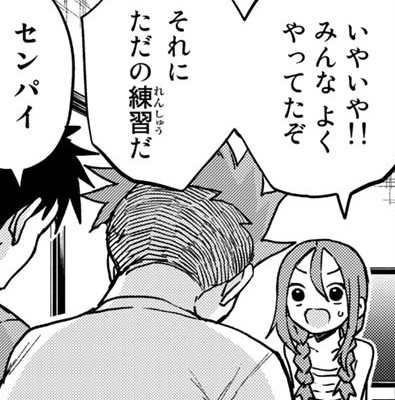
Urushi plays three shogi games at once against the other members of the shogi club. After she wins all three, she worries she has hurt their confidence right before the upcoming tournament.
Urushi has just beaten three club members in simultaneous shogi games, and she worries she crushed their confidence right before a tournament. She insists: いやいや!!みんなよくやってたぞ, “no, no, you all did great!” Urushi talks like a strict senpai, and ぞ is part of that.
Example 4 of 6: Had a bad experience in Nara with 〜目に遭う
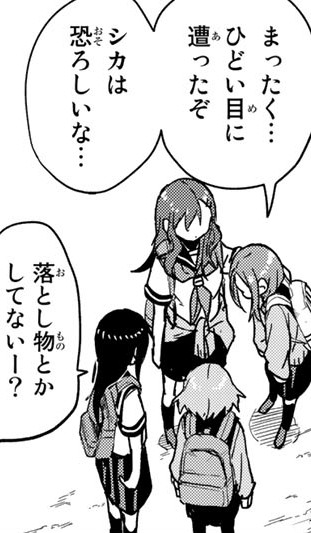
While in Nara on a class trip, Urushi and her friends stop to feed to deer. As the hungry animals completely surround Urushi, her friends discuss their schedule, ignoring Urushi’s plight. When Urushi finally returns to her group, she demands to know why no one came to her rescue.
On a class trip to Nara, Urushi was mobbed by hungry deer while her friends talked about their schedule. When she finally gets back to them, she grumbles: まったく…ひどい目に遭ったぞ, “honestly, that was awful”. ぞ aims the complaint at her friends, who never came to help.
Housenka from the monkey squad appears before the dog squad, challenging them to a battle for their squad name. Before she can cause any trouble, Tsuwabuki and Mokuren from her squad appear to stop her. Housenka claims this is their chance to become the dog squad.
Housenka of the monkey squad wants to take over the dog squad’s name, and she calls the monkey name lame. Her squadmate Tsuwabuki cuts her off: 申はダサくないぞ, “monkeys aren’t lame”. ぞ contradicts her flatly.
Colors has taken a case from the old woman at the croquette shop, and the girls are already thinking about their reward. Yui hopes for croquettes, Kotoha wants beef, and Sacchan insists on hers: コーンが1番だぞ, “corn is the best!”
Swagger with ぜ
ぜ tells someone something the way ぞ does, but with more swagger and less push. The speaker is sharing a point, bragging a little, or talking tough, usually with someone on the same level. ぜ is rougher than ぞ and less common, and few female characters use it.
Example 1 of 3: Far from getting information with 〜どころか
Conan moves in with Ran and her detective father in hopes of learning more about the black-clad men responsible for him shrinking to a child. Days later, Conan has become disillusioned by the idea.
コナン:
「奴らの情報どころか、一件の依頼も来ねーぜ…」
“Far from information on those guys, not even a single case commission has come...”
Conan moved in with Ran and her detective father, hoping to hear about the men in black who shrank him. Days later, he watches Kogoro lounge in front of the TV and thinks to himself: 奴らの情報どころか、一件の依頼も来ねーぜ…, “forget information on those guys, not one client has come”. Inside his own head there’s no little-boy act to keep up, so ねー and ぜ are Shin’ichi’s real voice.
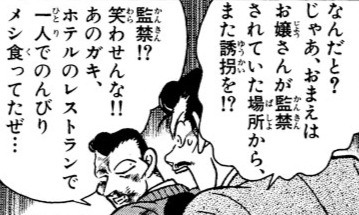
Ran and Kogoro find the kidnapped Akiko and they apprehend the kidnapper. Believing the butler to have arranged the kidnapping, Kogoro accuses the kidnapper being an accomplice. The kidnapper denies working with someone, saying he encountered the child in the hotel by chance.
小五郎:
「なんだと?じゃあ、おまえはお嬢さんが監禁されていた場所から、また誘拐を!?」
“What?! So you kidnapped her all over again, from the very place where the young lady was being held captive!?”
誘拐犯:
「監禁!?笑わせんな!!あのガキ、ホテルのレストランで一人でのんびりメシ食ってたぜ…」
“Held captive?! Don't make me laugh!! That brat was eating a leisurely meal all by herself in the hotel restaurant...”
Kogoro accuses the kidnapper of taking Akiko from the place where she was being held captive. The kidnapper laughs it off and tells his side: あのガキ、ホテルのレストランで一人でのんびりメシ食ってたぜ…, “that brat was eating a leisurely meal by herself at the hotel restaurant”. With ぜ, he tells it like a tough guy who doesn’t care what they believe.
Example 3 of 3: Littering a soft drink can with ポイ捨て
As Kenji Fudazuki ponders ways to increase his image as a delinquent, he hears a teacher asking who littered an empty soft drink can. Seeing an opportunity, Kenji takes credit for the misdeed. With this revelation, the teacher backs off and leaves quietly.
Fudazuki took the blame for a littered can to look like a delinquent, and the students who saw it are talking. 全く悪びれてないぜ, “he isn’t the least bit sorry”, and むしろ怒ってた先生ニラんでたぜ, “if anything, he glared at the teacher who scolded him”. ぜ gives the gossip a rough, impressed tone.
Suggestions with 〜ようぜ
After the volitional form, ぜ turns a suggestion into an eager, friendly push: 帰ろうぜ, “let’s head home”, and やろうぜ, “let’s do it”. This is where ぜ shows up most, and it sounds warmer than a bare 帰ろう.