より usually marks the baseline of a comparison. In ⒶよりⒷ, Ⓐ is the point against which Ⓑ is measured.
On its own before an adjective or adverb, より can mean “more”. In formal notices and announcements, it can also mark where or when something starts, much like から.
Usage Notes
より appears directly after the comparison baseline. The predicate, or the context, says what is being compared, so より itself does not say which side is better, larger, or more desirable.
A few set phrases grow out of the comparison use. 何より means “more than anything”. それより drops the current topic for one the speaker cares about more, and というより swaps in a better description.
When より stands on its own in front of an adjective or adverb, with no baseline before it, it means “more”. This use came in through translations of European languages. It’s rare in casual manga dialogue, where もっと does the job.
Formation
View formation details
Noun + より + predicate
弟より背が高い
"taller than my younger brother"
Plain-form phrase + より + predicate
思っていたより簡単だった
"it was easier than I had expected"
Noun or phrase + よりも / よりは + predicate
何もしないよりはいい
"it beats doing nothing"
Phrase + というより + better description
寒いというより痛い
"it's not so much cold as painful"
より + adjective or adverb
より詳しく説明する
"explain it in more detail"
Noun + より + action (formal starting point)
受付は九時より始まります
"registration starts at nine"
Marking the Baseline
In a comparison, the word before より is the baseline. The rest of the sentence says how something measures up against it. In 今日は昨日より寒い, “today is colder than yesterday”, 昨日 is the baseline, 寒い gives the scale, and the topic 今日 is what gets measured.
A noun takes より directly, with no の or だ in between.
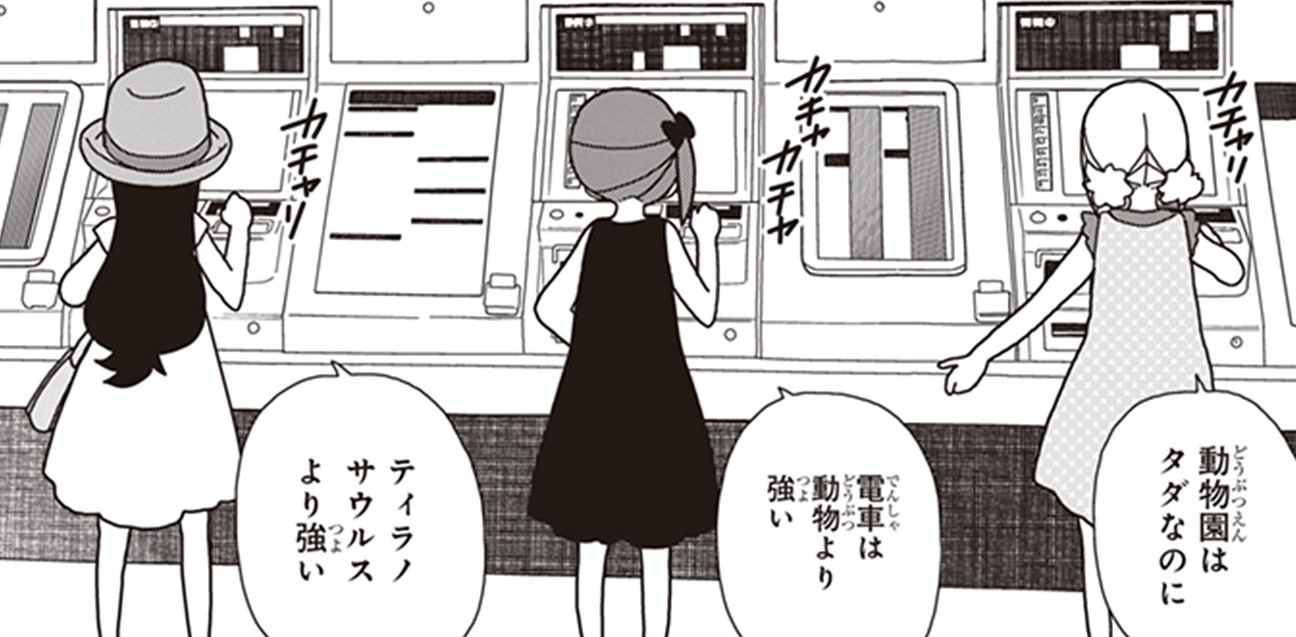
Yui and her friends get permission to ride the train to continue their search for the legendary giant robot. Tickets are listed as 70 yen for children.
Yui, Sacchan, and Kotoha are buying train tickets, 70 yen each for children, and Sacchan points out that the zoo is free. Yui answers 電車は動物より強い, “trains are stronger than animals”. 動物 is the baseline, and the topic 電車 is the side being measured. Kotoha raises the baseline to a Tyrannosaurus and leaves 電車は unsaid.
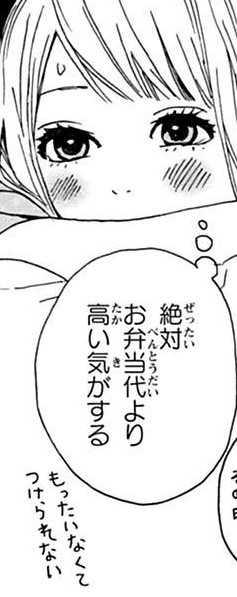
Kakeru gave Naho a jeweled hair clip to thank her for making his lunches. Back in her room, she looks it over. The clip itself goes unnamed. お弁当代, “what the lunches cost”, is the baseline, and 高い says the clip cost more than that.
The side being measured can be the topic, as with 電車は, or it can go unsaid when the situation makes it clear. To set two sides against each other explicitly, Japanese can mark the side with more of the quality with 方が, as in 動物より電車の方が強い. More than with 〜方が and 〜より covers that pattern.
Than Before, Than Usual, Than Expected
Some baselines come up constantly: 前より, “than before”, いつもより, “than usual”, and 思ったより, “than I thought”. Each one measures the present against another time or against an expectation.
Example 1 of 3: Feeling you've gained weight with 〜気がする
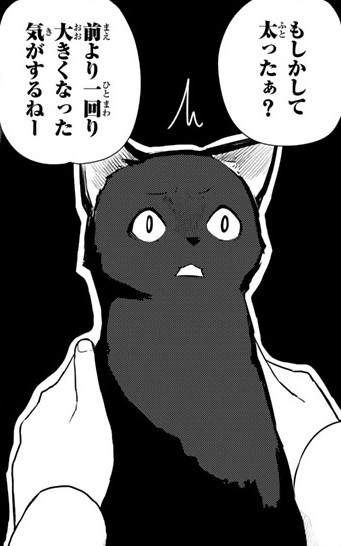
Nao stops to pet Makoto’s cat, Chito, and wonders whether she’s put on weight. 前より makes the earlier Chito the baseline. With なった, the comparison describes a change: she seems to have grown a size bigger.
Example 2 of 3: Got nervous by sitting close with 〜てしまう
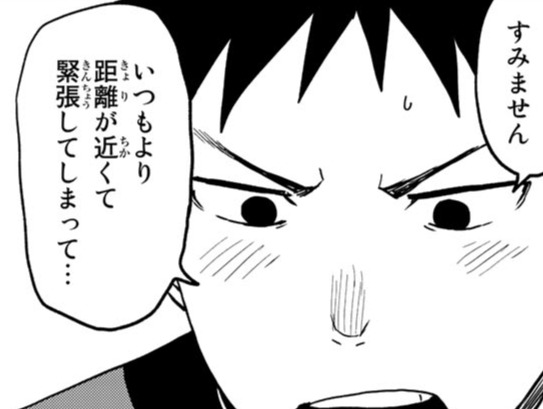
Ayumu and Urushi head to the library so Urushi can help Ayumu study for an upcoming test. The library tables are filled with studying students, so Takeru offers to let the two join him and Sakurako at the library staff desk. Urushi sits beside Ayumu and explains the material as he works through it, but she stops to make sure he’s listening.
歩:
「すみません」
“Sorry.”
「いつもより距離が近くて緊張してしまって…」
“You're a bit closer than usual, so I got nervous...”
Urushi is helping Ayumu study at the library staff desk, sitting right beside him. Ayumu apologizes and explains why he got nervous. いつもより, “than usual”, measures how close they are now against how far apart they normally sit.
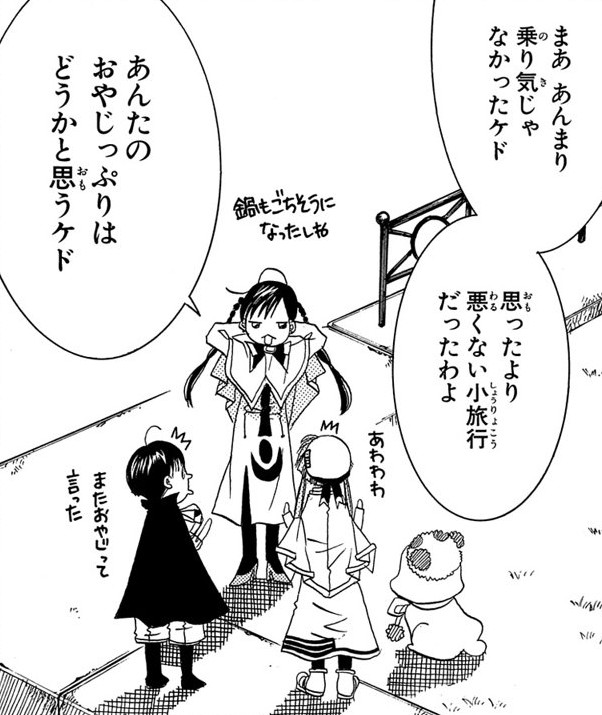
Al has shown Akari and Aika around his workplace. Aika admits she wasn’t keen on coming, but the outing was 思ったより悪くない. Her expectation is the baseline, and the trip came out better than it. English usually turns this around as “not as bad as I thought”.
A verb or a whole clause can be the baseline. It can go straight before より in its plain form: 思っていたより時間がかかった, “it took longer than I’d expected”. 〜のより also occurs, especially when comparing two actions.
With a negative after it, verb + より can also mean “there’s no choice but”. そうするよりほかない and そうするより仕方がない both mean “there’s nothing for it but to do that”.
Choosing One over the Other
AよりB can choose B without saying what B beats A at. The listener fills in “fits better”, “matters more”, or “I’d rather” from the situation. This is common with impressions, tastes, and priorities, where the answer depends on who is judging.
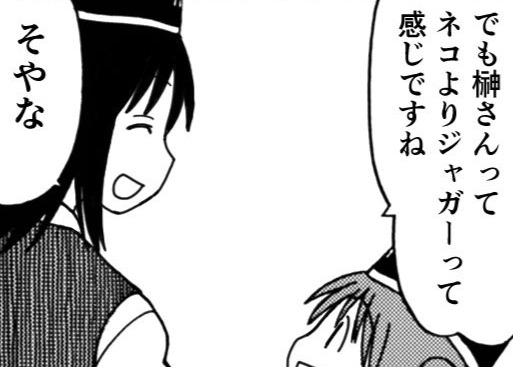
Ayumu and Chiyo are working at Magnetron Hamburger, and their classmate Sakaki has just been in to order the special that comes with a toy cat and kitten. Afterward, Chiyo decides Sakaki comes across less like a house cat than a jaguar. ネコより sets the cat aside as the baseline, and ジャガーって感じ, “a jaguar sort of feel”, is the better fit. Nothing says what the jaguar beats the cat at. The context makes it “suits her better”.
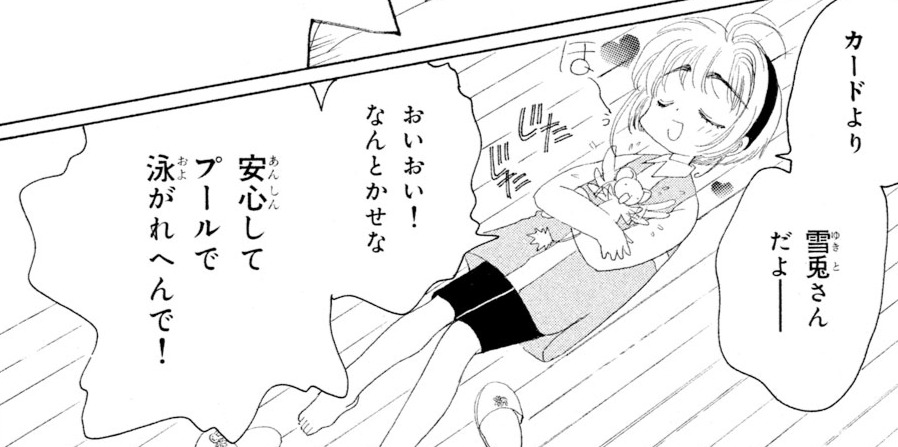
Sakura and Kero are supposed to discuss a Clow Card causing problems at the elementary school. After taking her homemade pancakes to her brother and Yukito, Sakura’s happiness over making something for Yukito overtakes her concern of Clow Cards. Kero tries to get her back on track.
Sakura and Kero are supposed to be talking about the Clow Card causing trouble at school, but Sakura has just taken homemade pancakes to Yukito and can’t think of anything else. カードより雪兎さんだよ is “Yukito over the cards!” There’s no adjective. 雪兎さんだよ names the side she picks, and the context supplies “matters more”.
Adding も or は
よりも is a slightly stronger より. In most sentences the two can swap with no real change in meaning.
よりは sets up a contrast, and it often makes the choice less eager: the speaker picks one side without much enthusiasm for either. そばよりはうどんが食べたい is roughly “if I have to pick, udon over soba”. With いい, or まし (“less bad”), this gives a qualified preference: 何もしないよりはいい, “it beats doing nothing”.
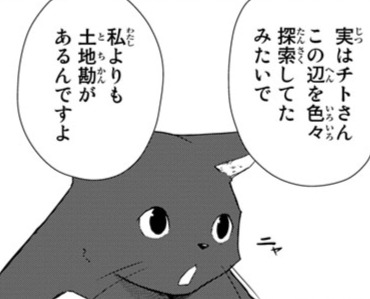
Not long after moving to a new town to stay with relatives, Makoto decides to head out for a walk. Her cousin is worried she’ll get lost. Makoto says not to worry, because she’ll have her witch familiar cat, Chito, with her.
真琴:
「実はチトさん この辺を色々探索してたみたいで私よりも土地勘があるんですよ」
“Actually, Chito seems to have explored this area quite a bit, so she knows her way around better than I do.”
Makoto has just moved to a new town, and her cousin worries she’ll get lost on a walk. Makoto says her cat, Chito, has already explored the area. 私よりも土地勘がある is “she knows her way around better than I do”. Plain より would work here too.
何 means “what”. With 何 as the baseline, the comparison beats everything: 何より大切だ is “more important than anything”. 何よりも is the same, with a little more push.
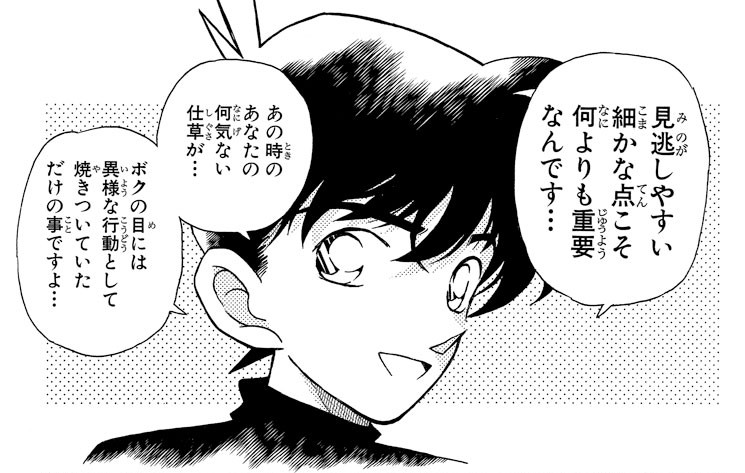
Shin’ichi reveals the details of a murder. The culprit asks how Shin’ichi discovered the hidden weapon, and he explains it was due to a specific movement the culprit made.
新一:
「見逃しやすい細かな点こそ何よりも重要なんです…」
“It's precisely those subtle details that are easy to overlook that matter most of all...”
「あの時のあなたの何気ない仕草が…」
“That casual gesture of yours back then...”
「僕の目には異様な行動として焼きついてただけの事ですよ…」
“It's just that it was etched in my mind as strange behavior...”
Shin’ichi is explaining to the culprit how he found the hidden weapon. 見逃しやすい細かな点, “small details that are easy to miss”, is what he’s talking about, and 何よりも重要 ranks them above everything else. こそ adds “these, of all things”.
On its own, 何よりです means “nothing could be better”. It’s a common way to say you’re glad about someone’s news: お元気そうで何よりです, “I’m glad to see you’re well”.
Changing the Subject with それより
それより, “than that”, can set aside what was just said and move to something the speaker cares about more. English uses “anyway”, “never mind that”, or “more importantly”. There’s no real contrast with what came before, so this それより doesn’t take は.
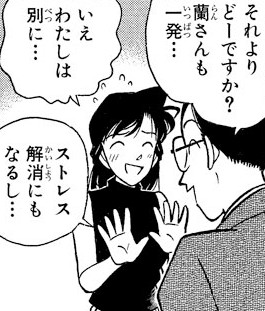
Kogoro, Ran, and Conan are at a convention for game software makers, since Kogoro helped as a consultant for a murder mystery video game. There, a punch strength test game catches Ran’s eye. She sees one of the developers throw a punch at it.
竹下:
「それよりどーですか?蘭さんも一発…」
“Anyway, how about it? Want to take a shot at it too, Ran?”
Kogoro, Ran, and Conan are at a game convention, where Ran has been watching one of the developers, Nakajima, try a punching machine. Takeshita has been talking up Nakajima’s college boxing, and he uses それより to drop that and get to what he wants: for Ran to have a go herself. どーですか is a drawn-out どうですか, “how about it?”
Rephrasing with というより
Xというより is “not so much X as”. The speaker takes a word or an idea, X, and offers one that fits better. The better fit comes next, and sometimes the speaker spells it out as 〜と言った方がいい, “it’d be better to call it ~”.
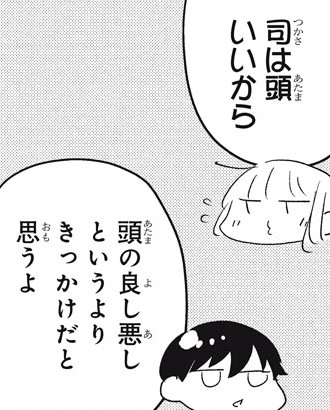
Makoto and Tsukasa meet to study for an upcoming test. When Makoto spends her study time complaining about it, Tsukasa asks if she hates studying. Makoto says it’s not that she hates it so much as it’s difficult. She asks if Tsukasa likes studying, and he says it’s fun to learn new things and connect them to his everyday life.
真:
「司は頭いいから」
“That's because you're smart.”
司:
「頭の良し悪しというよりきっかけだと思うよ」
“I think it's less about whether you're smart or not, and more about finding something that gets you interested.”
Makoto spends a study session complaining, and when Tsukasa says learning new things is fun, she says that’s only because he’s smart. Tsukasa doesn’t think intelligence is the right explanation. 頭の良し悪しというより sets aside “whether you’re smart or not”, and きっかけ, something that gets you interested in the first place, is what he offers in its place.
より Meaning “More”
When より opens the phrase and modifies an adjective or adverb, with no baseline before it, it means “more” or “even more”. より安全な方法 is “a safer method”, and より具体的に説明してください is “please explain more concretely”.
This より spread through translations of European languages, and it’s frequent in present-day Japanese. In casual manga dialogue, though, it’s rare, and もっと usually does the job.
In notices, announcements, and ceremonies, より can mark where or when something starts, the way から does. 会議は九時より始まります is “the meeting starts at nine”. Ordinary conversation uses から.
The predicate usually tells the two uses apart. 九時より遅い is “later than nine”, but 九時より始まる is “starts at nine”.
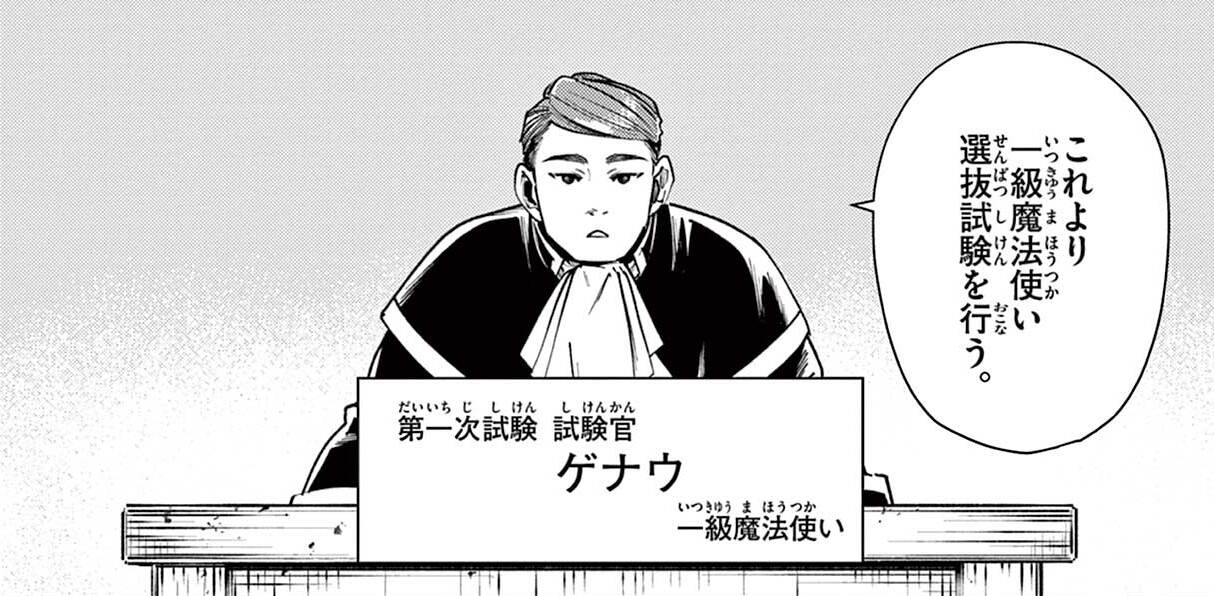
Frieren’s party needs a first-class mage to travel farther north, so Frieren and Fern come to Äußerst to take the first-class mage exam. It’s held only once every three years, many years nobody passes, and examinees sometimes die. After two months of training, the candidates gather in the hall of the Continental Magic Association.
ゲナウ:
「これより一級魔法使い選抜試験を行う。」
“We will now hold the first-class mage selection exam.”
The examiner Genau opens the first-class mage exam before a hall of candidates. これより is “from this point on”, a ceremonial これから, and 行う is the predicate that makes より a starting point rather than a comparison.
より can also mark who something comes from: 父より手紙が届いた, “a letter came from my father”. Letters and cards often end with the sender’s name and より, as in 母より, “from Mom”.