な after the dictionary form of a verb makes a blunt negative command, “don’t”. 行く becomes 行くな, “don’t go”, and 触る becomes 触るな, “don’t touch”.
It’s the negative partner of the plain imperative. 行け! orders someone to go, and 行くな! orders them not to. Both are short, strong, and far from polite.
Rough speech often shortens るな to んな, as in 心配すんな, “don’t worry”.
Usage Notes
な gives an order, so it suits a parent, a coach, or anyone else with the standing to give one. It also comes out in arguments, emergencies, and sudden warnings, when there’s no time for politeness. Outside urgent warnings, it generally sounds rude to a stranger or a superior. A polite request uses 〜ないでください. Formal notices commonly use 〜ないこと or a noun with 禁止, “prohibited”. 〜てはいけない states a prohibition and can appear in written rules too. な also appears in forceful warnings and slogans.
The form is always blunt, but the scene sets the tone. From a friend, 心配するな, “don’t worry”, and 無理するな, “don’t push yourself”, sound caring. Adding よ, as in 無理するなよ, can make the line sound like a reminder or advice between friends. It can also press a warning or protest more strongly; よ does not automatically soften な.
Formation
View formation details
Verb (dictionary form) + な
触るな!
"Don't touch it!"
Note: The verb doesn't change. 食べる becomes 食べるな, and 行く becomes 行くな.
する + な
心配するな
"Don't worry."
来る + な
こっちに来るな!
"Don't come over here!"
〜なよ (with よ)
無理するなよ
"Don't push yourself, okay?"
〜なって (insisting)
だから言うなって!
"I said don't say it!"
〜なと言う (quoted)
来るなと言われた
"I was told not to come."
〜るな → 〜んな (rough)
心配すんな
"Don't worry."
Note: The る of the verb becomes ん.
Telling Someone Not to Do Something
Put な after the dictionary form of a verb, and the verb becomes an order not to do it. 作る, “make”, becomes 作るな, “don’t make”.
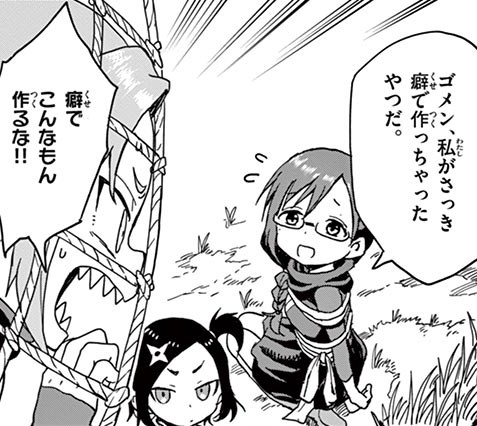
During a competition, Touwata and Mizubashou confront Tsubaki’s group to ask for help. While Touwata lays out her request, Sazanka and Asagao tie the two with ropes, believing their plea to be a trick. Figuring they’ve won, Sazanka and Asagao let down their guard and fall into a trap.
During a competition, Touwata and Mizubashou ask Tsubaki’s group for help. Sazanka and Asagao tie them up, sure it’s a trick, and then walk right into a trap. Mizubashou apologizes. She set it earlier, out of habit. Sazanka yells back. 癖で means “out of habit”, and こんなもん is a casual こんなもの, “a thing like this”. 作る stays in its dictionary form, and な turns the line into “don’t make stuff like this out of habit!” The trap is already made, so the negative command expresses a complaint about what Mizubashou did.
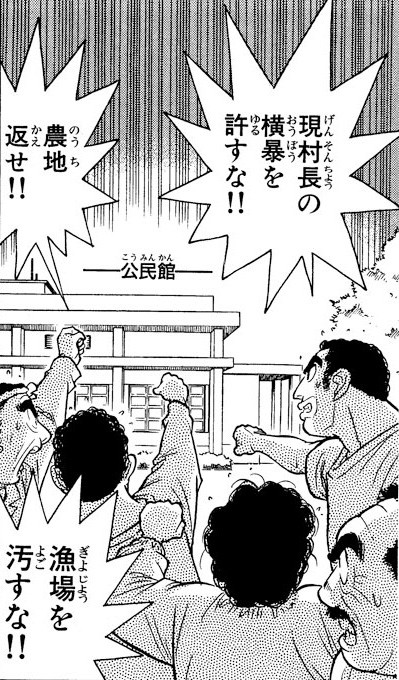
Kogoro, Ran, and Conan have come to Tsukikage Island because of a letter signed by a pianist who died twelve years ago. A doctor tells them the island is in the middle of a mayoral race. One candidate, Masato Shimizu, represents the island’s fishermen and campaigns to protect its fishing grounds, while the current mayor, Tatsuji Kuroiwa, has been losing support. The three head to the community center, where a memorial service for the previous mayor is being held tonight.
Villagers are protesting outside the community center against the island’s mayor. 許す and 汚す stay in their dictionary forms, and な turns them into “don’t tolerate” and “don’t pollute”: 漁場を汚すな, “stop polluting our fishing grounds!”
The verb never changes before な. That makes the prohibitive easier to form than the plain imperative, where each verb type has its own ending.
Verb
Command
Prohibition
行く, go
行け
行くな
食べる, eat
食べろ
食べるな
する, do
しろ
するな
来る, come
来い
来るな
Pairing the Imperative and な
A speaker who gives orders with the plain imperative uses な for the negative ones. The two often show up side by side.
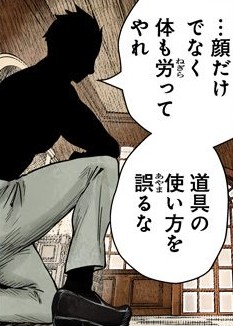
Benjamin suggests Louise do push-ups alongside Lou, her “Living Doll”. When Louise tires quickly, Benjamin tells her to care for Lou’s body as well as her face.
ベンジャミン:
「顔だけでなく体も労ってやれ。」
“Take care of not only her face but also her body.”
Benjamin has had Louise exercise alongside Lou, her Living Doll. He tells Louise to care for Lou’s body as well as her face. His first line ends in やれ, the imperative of やる, so it tells Louise what to do. His second line tells her what not to do. 誤る means “get something wrong”, so 道具の使い方を誤るな is “don’t use your tool the wrong way”. Neither line has anything to soften it.
Stopping Someone in the Moment
な can stop someone in the middle of an action. Someone is doing something right now, and the speaker wants it to stop. An attention-getter like こら or おい can come first. The same form can also warn someone not to start an action.
Example 1 of 2: Don't take your focus off the lynx with 気が散る
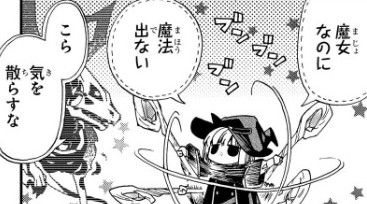
In order to make money to survive and continue her path of becoming a mage, Eve takes on a request to defeat a fanged lynx that has been attacking a merchant in the forest. She attempts to use her new magick staff against the beast, but no magick materializes from it.
Eve is fighting a fanged lynx when her new staff fails her, and she stops to complain about it. Nemu snaps her out of it. こら is a scolding “hey”. 気を散らす, literally “scatter your spirit”, means “lose focus”, so 気を散らすな tells Eve to keep her mind on the fight.
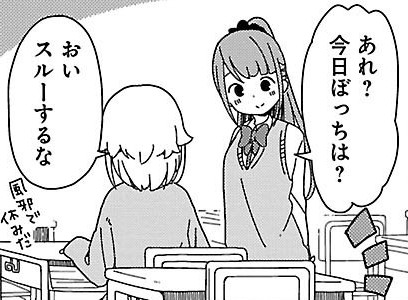
Nako ponders about the teacher’s tendency to run away from her. She asks Aru if she’s really that scary-looking. Aru stands in silence for a moment before changing the subject.
Nako has just asked Aru whether she really looks that scary. Aru goes quiet for a moment and then asks about something else. スルーする, from English “through”, means “let something pass”, and here it’s “ignore”. Nako calls out the dodge with おい and スルーするな, “don’t brush me off”. A する verb takes な like any other verb.
Characters say it to themselves, too. 慌てるな, “don’t panic”, in an inner monologue is the speaker giving themself an order.
Reassuring with な
な is blunt, but it isn’t always angry. 心配するな, “don’t worry”, and 無理するな, “don’t push yourself”, are common between friends and family. The form is a negative command, but the purpose here is reassurance. The words, relationship, and delivery give it a caring tone.
Example 1 of 2: Wanting to be cared about with 〜たい
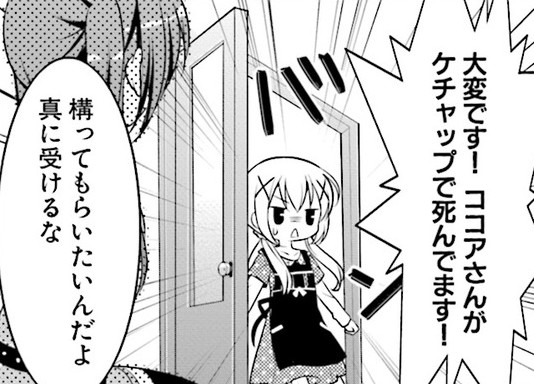
After a fight, Cocoa and Chino are finally on good terms again until Cocoa flips a pancake she’s cooking and it lands on Chino’s face. Soon after, Chino finds Cocoa face down on the table with a dying message written in ketchup.
チノ:
「大変です!ココアさんがケチャップで死んでます!」
“This is terrible! Cocoa's died in a pool of ketchup!”
リゼ:
「構ってもらいたいんだよ真に受けるな」
“She just wants attention from you, so don't take it seriously.”
Cocoa lies face down on the table next to a “dying message” in ketchup, and Chino panics. Rize explains that Cocoa just wants attention. 真に受ける means “take something at face value”, so 真に受けるな is “don’t fall for it”. Rize isn’t scolding Chino. She’s telling her she can calm down.
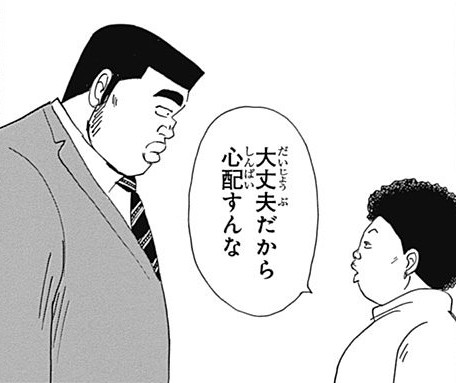
Takeo takes his pregnant mother to the hospital, as she’s getting close to delivery. Once there, she gives Takeo and his friend Suna a list of things to take care of during her stay.
Takeo has brought his pregnant mother to the hospital as her due date gets close, and she hands him and Suna a list of things to take care of. 大丈夫だから心配すんな is “I’ll be fine, so don’t worry”. すんな is the rough form of するな, and here her words reassure her son.
Adding よ to a Prohibition
よ draws the listener’s attention to the prohibition and can make it more emphatic. Between friends, 無理するなよ can be a caring “don’t overdo it, okay?” In a warning or complaint, なよ can sound insistent or reproachful. The relationship, delivery, and situation decide the tone.
Example 1 of 3: Feeling discouraged after being turned down for a job with 気を落とす
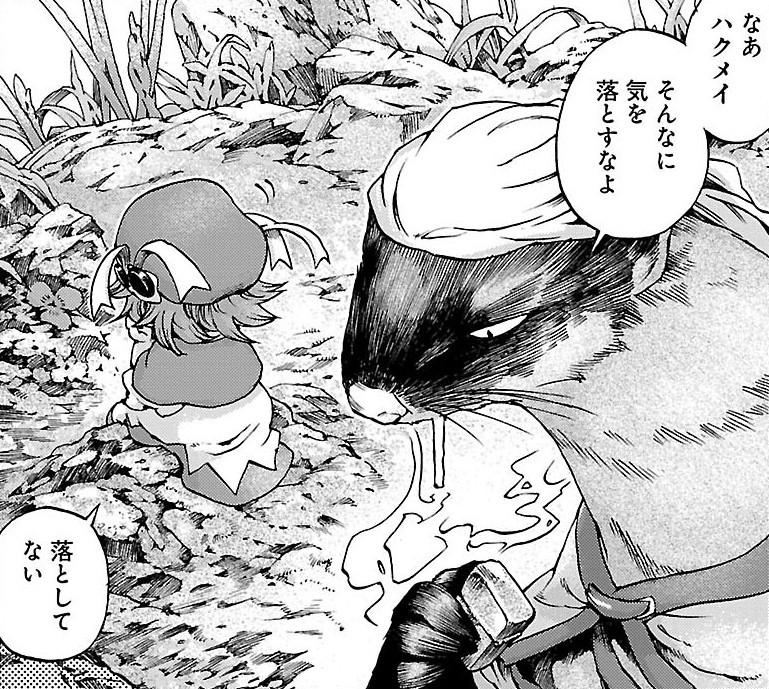
Hakumei wanted to help restore a stone wall, but the repair guild’s chairman turned her away. Iwashi tries to cheer her up. 気を落とす, literally “drop your spirits”, means “get discouraged”, and そんなに is “that much”. In this exchange, his なよ line is a friendly “don’t be so down”. Hakumei answers with the same verb. 落としてない means “I’m not down”.
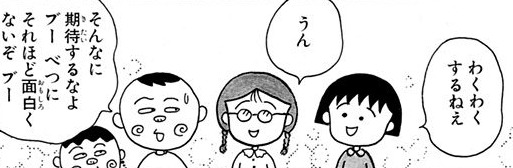
Bootaro has started going to church with a relative. He told Maruko and Tama-chan it was pretty fun, with hymns, picture-story shows of Bible stories, and snacks. Maruko, mostly interested in the snacks, decided to go too, and Tama-chan came along. On Sunday the two meet Bootaro outside the church.
まる子:
「わくわくするねえ」
“This is so exciting!”
たまちゃん:
「うん」
“Yeah.”
ブー太郎:
「そんなに期待するなよブー べつにそれほど面白くないぞブー」
“Don't get your hopes up that much, boo. It's not all that fun, boo.”
Maruko and Tama-chan meet Bootaro at the church, and Maruko says she’s excited. 期待する is “to expect” or “to look forward to”, and そんなに is “that much”. His なよ line is a friendly “don’t get your hopes up”, and he follows it with a reason: church isn’t all that fun.
Example 3 of 3: Was she really worried about me with 〜の事心配
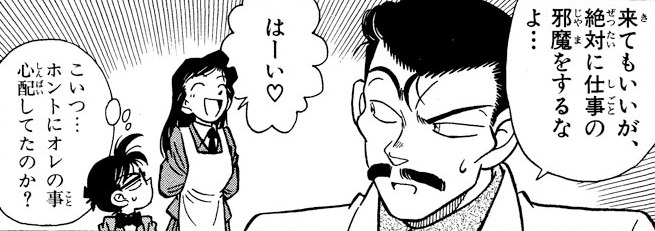
Conan recently learned from Professor Agasa that Ran had come to him in tears because Shin’ichi had disappeared. Now the idol Yoko Okino has hired Kogoro to look into a stalker, and Ran begs to come along so she can see what an idol’s apartment looks like.
小五郎:
「来てもいいが、絶対に仕事の邪魔をするなよ…」
“You can come, but don't you dare get in the way of my work...”
Kogoro lets Ran come along on his case, with one condition. 邪魔をするなよ is “don’t get in my way”, and よ makes the prohibition a warning.
Objecting with 言うな
言うな, “don’t say that”, is the stock reply when someone says something the speaker won’t accept. そんなこと言うな means “don’t say things like that”. Adding final って makes the objection insistent. In だから言うなって, “I said, don’t say it” fits a repeated objection, but って alone does not establish that an earlier warning was given.
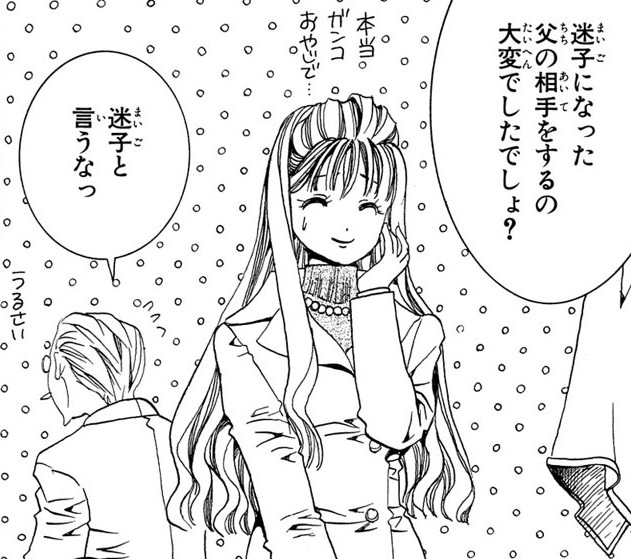
Akari encounters an older gentleman looking for a police box, so he can report his missing daughter and son-in-law. Akari offers to take him around and see if they can find the couple. Once they are reunited, the daughter thanks Akari for finding her father.
娘:
「迷子になった父の相手をするの大変でしたでしょ?」
“It must have been tough dealing with my dad when he got lost, right?”
Akari has helped an old man find his daughter and son-in-law, and the daughter thanks her for looking after her father once he got 迷子, “lost”. He objects to the word. He went looking for a police box to report the two of them missing, so as far as he’s concerned, they were the lost ones. と marks 迷子 as the word being said, so 迷子と言うな is “don’t call me lost”. This example has と quoting the word 迷子, followed by 言うなっ. It does not contain final って.
Quoting a Prohibition
A line with な can be quoted like any other plain sentence. 来るなと言われた means “I was told not to come”, literally “I was told, ‘don’t come’”. Casual speech uses って, as in 見るなって言われた.
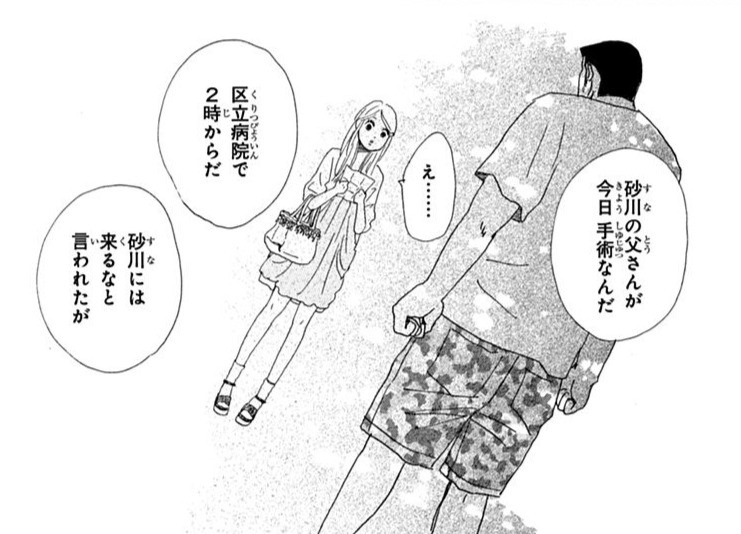
Takeo and Yamato go out on a date for Yamato’s birthday. They have a great time spending the day together, but when Yamato asks Takeo what his friend Sunakawa is doing, Takeo becomes silent. He says Suna helped him plan the date’s events, and Takeo gives her the tickets to the date’s finale. He tells Yamato to take a friend, because he needs to go be with Suna.
Takeo is on a birthday date with Yamato when he tells her that Sunakawa’s father is having surgery that afternoon. Sunakawa, whom Takeo calls Suna, told him not to come. 来るな is Suna’s order, と marks it as a quote, and 言われた, “was told”, reports it from Takeo’s side.
Shortening るな to んな
In rough speech, the final る of a verb can become ん before な. 心配するな becomes 心配すんな, and 触るな becomes 触んな. The meaning stays the same, but the line sounds rougher. How casual contractions work covers this change.
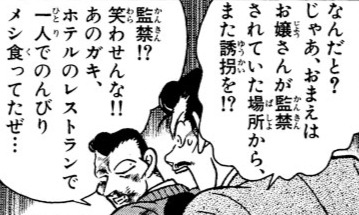
Ran and Kogoro find the kidnapped Akiko and they apprehend the kidnapper. Believing the butler to have arranged the kidnapping, Kogoro accuses the kidnapper being an accomplice. The kidnapper denies working with someone, saying he encountered the child in the hotel by chance.
小五郎:
「なんだと?じゃあ、おまえはお嬢さんが監禁されていた場所から、また誘拐を!?」
“What?! So you kidnapped her all over again, from the very place where the young lady was being held captive!?”
誘拐犯:
「監禁!?笑わせんな!!あのガキ、ホテルのレストランで一人でのんびりメシ食ってたぜ…」
“Held captive?! Don't make me laugh!! That brat was eating a leisurely meal all by herself in the hotel restaurant...”
Kogoro and Ran have caught the man who kidnapped Akiko. Kogoro accuses him of taking her from the place where someone else was holding her captive. The kidnapper scoffs at the word 監禁, “held captive”. 笑わせる is the causative of 笑う, “make someone laugh”, and 笑わせるな contracts to 笑わせんな. Like English “don’t make me laugh”, it dismisses the accusation as absurd. By his account, Akiko was having a leisurely meal by herself in the hotel restaurant.
Example 2 of 4: They'll target not just me with 〜だけじゃなく〜も
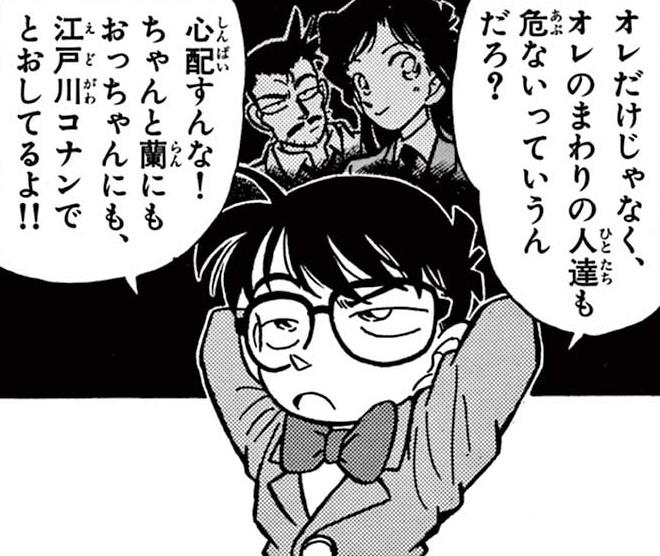
After Shin’ichi was forced to take a deadly drug that instead shrank him back to a child, he took on the undercover name Conan and went to stay with his childhood friend Ran and her detective father in the hope of a lead to the black-clad men who drugged him. He later discusses with Professor Agasa about how useless Detective Mouri is. The professor reminds Conan that the poison was supposed to have killed him, so he can’t rush and let others know his true identity.
コナン:
「オレだけじゃなく、オレのまわりの人達も危ないっていうんだろ?」
“You're saying it won't be just me, but the people around me will be in danger too, right?”
「心配すんな!ちゃんと蘭にもおっちゃんにも、江戸川コナンでとおしてるよ!!」
“Don't worry! I'm keeping up the Conan Edogawa act with Ran and the old man, too!!”
Conan sums up Agasa’s warning that the people around him could be in danger if the men in black find out he’s alive. He brushes it off with 心配すんな!, “don’t worry!” He has been keeping up the Conan act with Ran and her father.
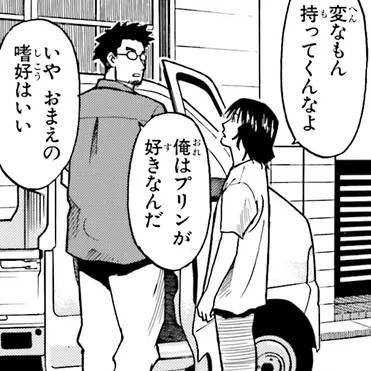
After Yousuke finishes moving his belongings into his new home with the help of his friend Jumbo, Jumbo offers to pick up some gifts for Yousuke to give his new neighbors when he goes around the neighborhood to introduce himself.
Jumbo offers to pick up gifts for Yousuke to hand out to his new neighbors. 持ってくる is “bring”, and 持ってくんなよ is 持ってくるなよ with the る worn down to ん. Here it is a warning between friends, “don’t bring anything weird, okay?” Jumbo answers that he likes pudding, and Yousuke dismisses his preference as beside the point.
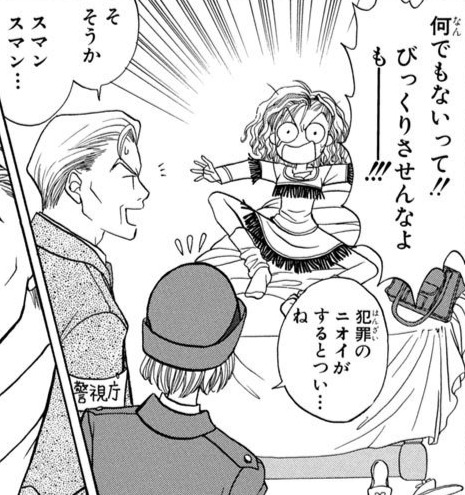
A classmate shows off her new satchel from Meisho Daichi High School. Ran wants one for herself, so she heads down to Shibuya in search of a Meisho Daichi student who’ll give her one. She accidentally steals one, which she later ruminates on in her room. As she talks to herself about how her pride cannot abide stealing, her police officer parents burst into her room, asking what was stolen and who the suspect is.
蘭:
「何でもないって!! びっくりさせんなよ もーーーー!」
“It's nothing!! Don't scare me like that! Seriously!!”
泰三:
「そ そうか スマン スマン…」
“Oh... okay. Sorry, sorry...”
清香:
「犯罪のニオイがするとつい…ね」
“When I smell a crime, I just can't help myself...”
Ran’s parents burst into her room asking what was stolen. びっくりさせる is “startle”, and びっくりさせんなよ is “don’t scare me like that!” The る of させる has become ん, which suits Ran’s rough way of talking. They have already startled her, so this is a protest about what just happened.
Cheering with 負けるな
な also shows up in cheers and slogans, where nobody is being scolded. 負けるな, “don’t lose”, is a stock cheer, often paired with the imperative 頑張れ, “hang in there”. 諦めるな, “don’t give up”, works the same way.
A different な follows the verb stem, the form before ます. It’s short for なさい, and it tells someone to do the action. 食べな means “eat”, the opposite of 食べるな.
Check what comes before な. The dictionary form, such as 食べる or 行く, means “don’t”. The stem, such as 食べ or 行き, means “do”. With 来る the kanji doesn’t help, so look for the る. 来な is “come”, and 来るな is “don’t come”.
Japanese also has a nonprohibitive sentence-ending な. It can express a thought or impression, or seek agreement, as in いい天気だな, “nice weather, huh”. After だ or an い-adjective, it is not a prohibition. After the dictionary form of a verb, the two look exactly the same.
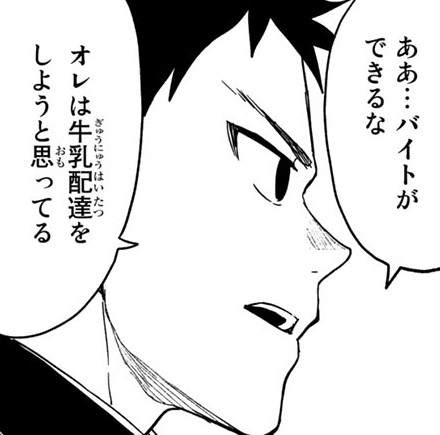
Ayumu and Takeru are talking about being in high school now. Ayumu’s first line ends in できる plus な, but nobody is being told not to work. ああ is a thoughtful “yeah”, and できる, “can”, describes a state, not an action someone could be ordered to stop. Here な marks a comment or realization. Ayumu has realized that as a high schooler, he can finally get a part-time job.
Use the scene to tell the two apart. Prohibitive な tells someone not to do something, or protests what they have done. It can also reassure, encourage, or address the speaker themself. Nonprohibitive な expresses a comment, feeling, or request for agreement. The order of よ and な is a useful clue. よ follows prohibitive な, while よな seeks agreement. 無理するなよ is “don’t overdo it”, while 無理するよな is “you push yourself too hard, don’t you?”. A statement of a state or ability, like Ayumu’s できる, favors the nonprohibitive reading. Written なあ also suggests a comment or feeling, but spelling alone does not settle the reading.
Comparing な with Other Prohibitions
Japanese has several ways to tell someone not to do something. They differ in strength and in where they’re used. These are tendencies; delivery and context affect how forceful each sounds.
Form
Example
Feel
〜な
触るな
blunt order
〜てはいけない
触ってはいけない
rule, about as strong as な
〜ちゃだめ
触っちゃだめ
casual correction
〜ない
触らない
softer, persuading
〜ないで
触らないで
casual request
〜ないでください
触らないでください
polite request, still firm
〜ないこと
触らないこと
written rules and notices
A plain negative can work as an order too. A parent who says 触らない! to a child reaching for something can sound softer than one who says 触るな!