Thinking of doing with 〜ようと思う
Grammar: Intention » 〜ようと思う
A volitional verb followed by 〜と思う states an intention or decision. The plan often sounds tentative rather than firmly settled.
Usage Notes
Use 〜ようと思う for a decision made now or an announcement of intent. For a plan held over time, use 〜ようと思っている. Both usually describe the speaker’s own intentions.
Further Reading
- う・よう + と思おもう (bunpro.jp)
- 「~ようと思っています」「~つもりです」は何が違う?|日本語文法の基礎知識 (tanosuke.com)
- 【N4文法】~(よ)うと思う (mainichi-nonbiri.com)
- ~ようと思う【JLPT N4文法】 (irasuto-nihongo.com)
Examples
Thinking of delivering milk with 〜ようと思う
Grammar Explanation: Thinking of doing with 〜ようと思う
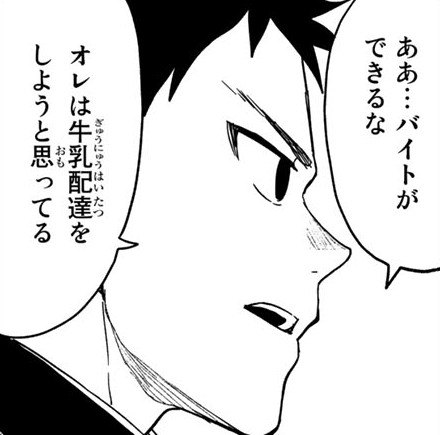
Takeru and Ayumu talk about now being in high school.
- 歩:
- 「ああ…バイトができるな」
- “Yeah, I can get a part-time job.”
- 「オレは牛乳配達をしようと思ってる」
- “I'm thinking of doing milk delivery.”
Thinking of revealing the truth with 〜ようと思う
Grammar Explanation: Thinking of doing with 〜ようと思う
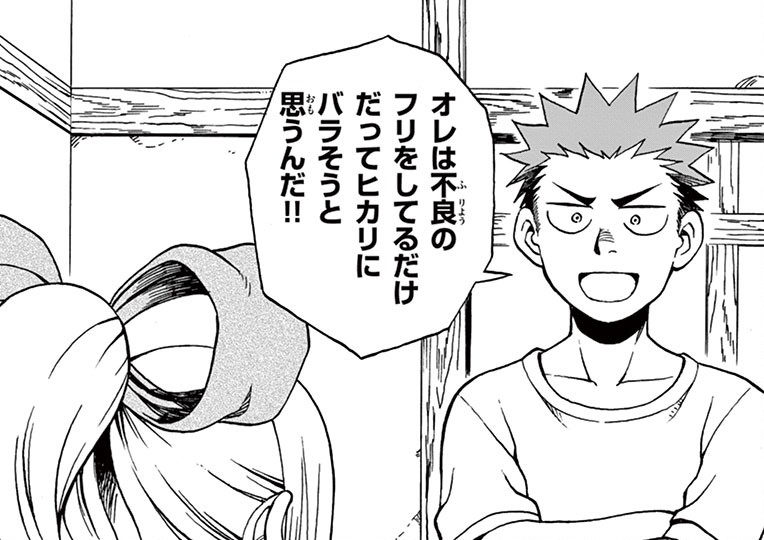
Kenji thinks Kyouko is upset because he and Hikari don’t get along well.
- ケンジ:
- 「オレは不良のフリをしてるだけだってヒカリにバラそうと思うんだ!!」
- “I think I will reveal to Hikari that I'm just pretending to be a delinquent!”
Thought I would see her face with 〜ようと思う
Grammar Explanation: Thinking of doing with 〜ようと思う
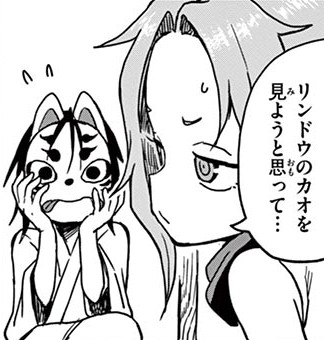
Seeing Rindou asleep, Sazanka reaches for her mask. Rindou wakens and backs away. Tsubaki asks what they’re doing so early in the morning.
- サザンカ:
- 「リンドウのカオを見ようと思って…」
- “I thought I would see Rindou's face...”