Timing of an action with 〜ところだ
Grammar: Time and Sequence » 〜ところだ
〜ところだ pinpoints where an action stands in time. The noun ところ (“place”) marks the point the subject is at: about to do, in the middle of doing, just did, or had been doing right up to now, depending on the verb form in front.
ところだった puts that point in the past. After a dictionary form, it often means something almost happened but didn’t.
Usage Notes
The verb form before ところだ carries the timing: dictionary form for “about to”, 〜ている for “in the middle of”, た-form for “just now”, and 〜ていた for “had been doing until just now”. Time words like 今, これから, たった今, and ちょうど (“exactly”) often come with it.
In casual speech, ところ often shortens to とこ: 今行くとこ, “I’m just about to go”.
Some look-alikes are different grammar and aren’t covered here: 〜たところ、 “when I did X, it turned out…”, 〜たところで “even if”, ところを見ると “judging from”, お忙しいところ(を) “though you’re busy”, and sentence-initial ところで “by the way” and ところが “however”.
Formation
View formation details
- Verb (dictionary form) + ところだ
- 今から出かけるところだ
- "I'm just about to head out."
- Verb (〜ている) + ところだ
- 今調べているところだ
- "I'm in the middle of looking into it."
- Verb (た-form) + ところだ
- ちょうど着いたところだ
- "I just arrived."
- Verb (〜ていた) + ところだ
- ちょうどその話をしていたところだ
- "We were just talking about that."
- Verb (dictionary form) + ところだった
- 車にひかれるところだった
- "I was nearly hit by a car."
- Note: Often it reports something that almost happened but didn't, especially with a verb nobody does on purpose or with もう少しで or 危うく. It can also just be the past of "about to": 帰るところだった, "I was about to go home".
About to Do Something
Dictionary form plus ところだ catches the subject right before the action. It’s only for something that’s sure to happen and about to start, not a plan for later.
Speakers often use it to say the timing is good or bad: これから出かけるところなので、後で電話してもいいですか, “I’m just about to head out, so can I call you back later?”
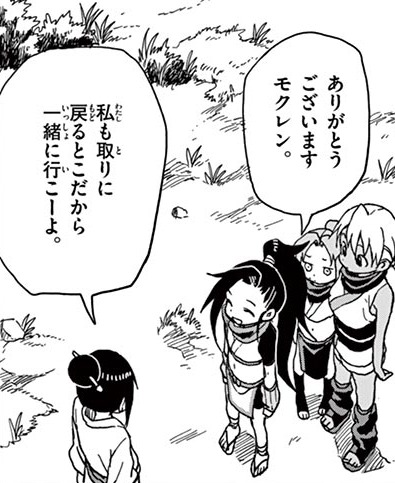
After lunch, Tsubaki is lost in thought when Mokuren calls her over. Mokuren tells her that today’s class will use the second scroll instead of the first.
- ツバキ:
- 「ありがとうございますモクレン。」
- “Thank you, Mokuren.”
- モクレン:
- 「私も取りに戻るとこだから一緒に行こーよ。」
- “I'm just about to go back for mine too, so let's go together.”
Mokuren has just told Tsubaki that today’s class uses the second scroll. 戻る is a dictionary form, so 取りに戻るとこだ is “I’m about to go back for it”. The timing works out, so she asks Tsubaki to come along. とこ is casual ところ.
In the Middle of Something
〜ているところだ says an action is under way right now. It takes verbs for actions that last a while, like 調べる, 作る, and 準備する.
It answers “what are you doing right now?” It also explains why something has to wait: ただいま作っているところですので、もう少しお待ちください, “We’re making it right now, so please wait a little longer”. In casual speech it’s often 〜てるとこ.
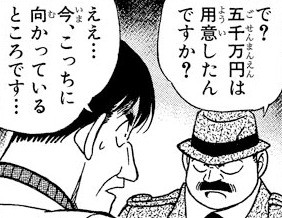
During a soccer match at the national stadium, a caller made TV director Kaneko zoom in on some children in the stands, then had the ball beneath them shot. He threatened to fire into the crowd if the match was stopped. Kaneko has just told Inspector Megure the caller’s demand that Nichiuri TV pack fifty million yen in a bag by halftime.
- 目暮:
- 「で?五千万円は用意したんですか?」
- “So? Have you got the fifty million yen ready?”
- 金子:
- 「ええ…今、こっちに向かっているところです…」
- “Yes... It's on its way here now...”
A caller has demanded fifty million yen from a TV station, and Inspector Megure asks whether it’s ready. 向かっている is a 〜ている form, so 今、こっちに向かっているところです is “it’s on its way here now”. The money has left but hasn’t arrived.
Just Finished
た-form plus ところだ marks the moment right after. It’s most common with verbs that end at a clear moment, like 着く, 終わる, and 出発する, and often comes with 今, たった今, or ちょうど.
With present-tense ところだ, the action must have just finished. 昨日着いたばかりだ works, but 昨日着いたところだ doesn’t. Words for the immediate past, such as さっき, can work.
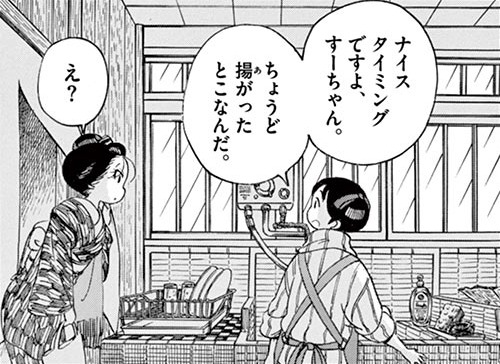
Kenta, a friend from back home, has told Sumire that he’s taking a job in Kyoto and staying. Sumire is thrilled, then scolds herself for it, since he must have made some hard choices. She comes home worn out from holding back a grin, and Kiyo leans out to welcome her back.
- キヨ:
- 「ナイスタイミングですよ、すーちゃん。」
- “Nice timing, Su-chan.”
- 「ちょうど揚がったとこなんだ。」
- “It's just come out of the fryer.”
- すみれ:
- 「え?」
- “Huh?”
Sumire comes home worn out, and Kiyo turns from the stove to greet her. 揚がった is a た-form, so ちょうど揚がったとこなんだ is “it’s just come out of the fryer”. The frying ended the moment Sumire walked in, which is why Kiyo calls it nice timing.
Was Just Doing That with 〜ていたところだ
〜ていたところだ says something had been going on right up to now. It usually points out that the timing lines up with what just happened. Someone walks in while you’re talking about them: ちょうどあなたのことを話していたところです, “We were just talking about you”.
私もそう思っていたところだ, “I was just thinking the same thing”, is a common reply when someone suggests what you had in mind. 〜ようとしていたところだ, “I was just about to”, works the same way: ちょうど電話しようとしていたところ, “I was just about to call”.
Example 1 of 2: Just looking for farm help with 〜ていたところだ
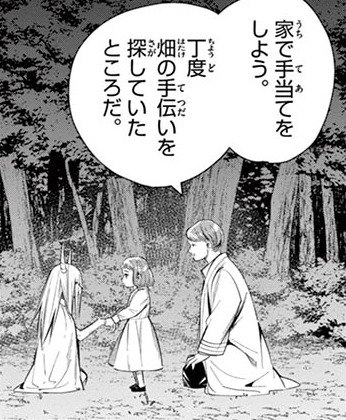
In a village Frieren once visited with Himmel’s party, a demon child killed and ate a villager’s daughter. When Frieren moved to finish off the wounded demon, the village chief stopped her, saying it doesn’t need to eat people to live and deserves a chance to make amends.
- 村長:
- 「家で手当てをしよう。」
- “I'll treat your wounds at my house.”
- 「丁度畑の手伝いを探していたところだ。」
- “As it happens, I was just looking for a hand in the fields.”
In a flashback, the village chief stops Frieren from killing a demon child and offers to take her home. 探していた is a 〜ていた form, so 丁度畑の手伝いを探していたところだ is “as it happens, I was just looking for a farmhand”. He presents the demon’s arrival as good timing.
Example 2 of 2: We were just talking about you with 〜のこと話す
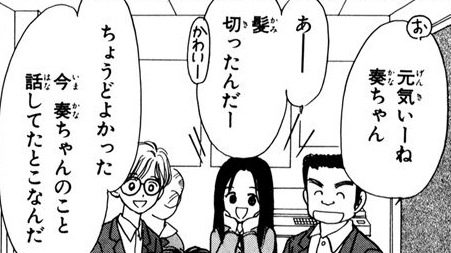
Kana waited years for her childhood friend Kosei, but when he transferred into her class, he turned out to be cold, and her feelings got her nowhere. She cut the hairstyle she’d kept for him and resolved to become a new person. Now she bursts into the newspaper club room with a cheerful hello.
- 部員Ⓐ:
- 「お 元気いーね奏ちゃん」
- “Whoa, you're full of energy, Kana.”
- 部員Ⓑ:
- 「あー 髪切ったんだー」
- “Oh, you cut your hair!”
- 「かわいー」
- “Cute!”
- 部長:
- 「ちょうどよかった 今奏ちゃんのこと話してたとこなんだ」
- “Perfect timing. We were just talking about you.”
Kana walks into the newspaper club room just as the members are discussing her. 話してたとこなんだ is a casual 話していたところなんだ: “we were just talking about you”.
A Close Call
After a dictionary form, ところだった can mean the event almost happened but didn’t. もう少しで and 危うく make this reading clear, and うっかり (“carelessly”) often comes with it. The verb is usually something nobody does on purpose, like 忘れる or 間違える, and the speaker is often relieved: 危うく電車に乗り遅れるところでした, “I almost missed the train”. A negative works too: 食べられないところだった, “I almost didn’t get to eat it”.
With のに, it’s regret for a good outcome that slipped away: もう少しで試合に勝てるところだったのに, “We were so close to winning”. A condition can spell out what would have happened: 大けがだったら、試合に出られないとこだった, “If it had been a bad injury, I wouldn’t have been able to play”. In casual speech it’s often とこだった.
Not every ところだった is a close call. It’s also the plain past of the forms above, so 帰るところだった can just mean “I was about to go home”. The same goes for the other forms: バス停に着いたら、ちょうどバスが出たところだった, “When I got to the stop, the bus had just left”.
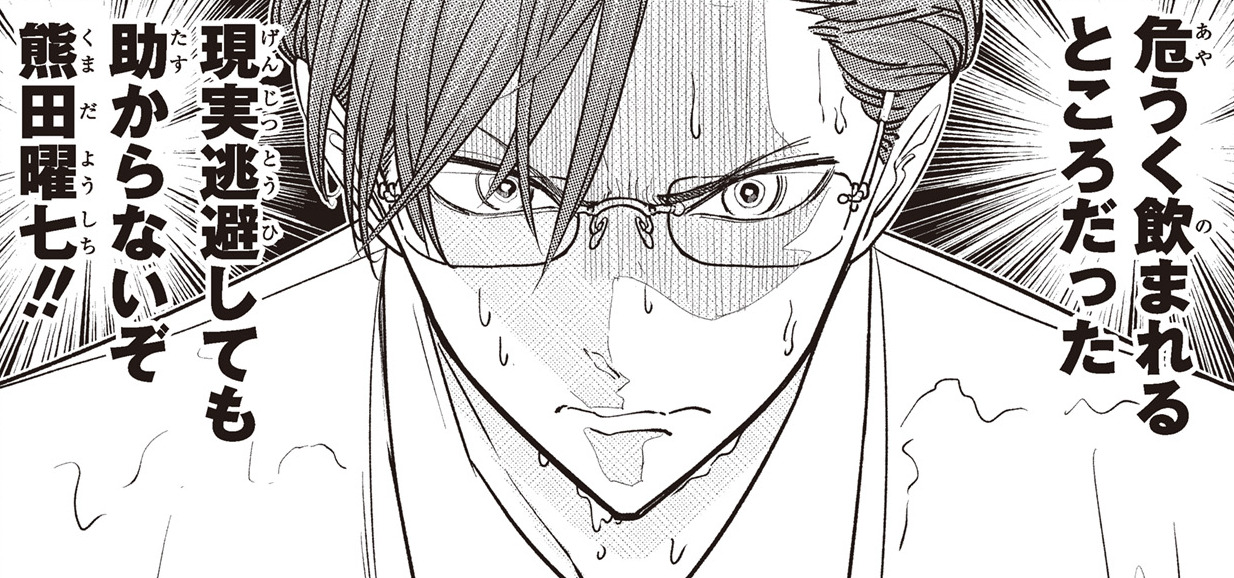
Kumada, a man who plans his whole life around avoiding risk, comes home to find a bear in his apartment. He’s sure he’s about to die, but the bear sets out beer and snacks for him instead. Remembering a documentary about a man and a lion, Kumada wonders if the bear is a partner sent to comfort him, and it starts to look rather cute. Then he takes another look at its face, and it’s terrifying.
- 熊田:
- 「危うく飲まれるところだった」
- “That was close. I almost got swept up in it.”
- 「現実逃避しても助からないぞ熊田曜七!!」
- “Running from reality won't save you, Kumada Youshichi!!”
Kumada had started to see the bear in his apartment as a cute companion sent to comfort him, until one look at its face snapped him out of it. 飲まれる is a dictionary form, so 危うく飲まれるところだった is “I almost got swept up in it”. He caught himself just in time.
Right at That Moment with ところに and ところを
Add に (or へ) and something else arrives or happens at that point: 出かけようとしたところに客がやってきた, “A visitor showed up just as I was about to leave”. Verbs of appearing, like 来る and やってくる, usually follow.
Add を and the next verb acts on the situation directly. Someone sees it, catches it, helps, or interrupts it: こっそりたばこを吸っているところを父に見つかった, “My dad caught me sneaking a cigarette”. Any of the four forms can come before に or を.
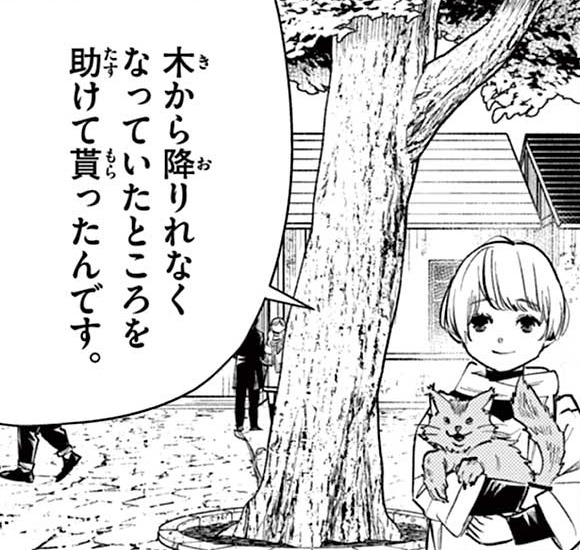
Frieren tells Fern that today is Stark’s eighteenth birthday, and Fern has no idea what he wants for a present. She decides to sound him out directly, but he isn’t in his room. Fern asks around town. A woman says the warrior with the axe helped push her cart, then headed toward the plaza.
- 女の子:
- 「木から降りれなくなっていたところを助けて貰ったんです。」
- “He helped us when we couldn't get down from the tree.”
Fern is asking around town for Stark, and a girl holding a cat tells her what he did. 降りれなくなっていた is a 〜ていた form, so they had been stuck up the tree for a while. ところを助けて貰った says Stark stepped into that situation and got them down.
Further Reading
- 〜ところだ, 日本語文型バンク (NINJAL) (ninjal.ac.jp)
- 〜ところだった, 日本語文型バンク (NINJAL) (ninjal.ac.jp)
- 「ところ」(1), Japan Foundation 日本語教育通信 (jpf.go.jp)
- 「ところ」(2), Japan Foundation 日本語教育通信 (jpf.go.jp)
Related Grammar
- Just happened with 〜た+ばかり
- たばかり stresses that little time has passed; たところ pinpoints the moment itself.
- During with 〜うちに
- うちに frames a window of time; ところだ marks what stage an action is at.
- How casual contractions work
- ところ shortens to とこ in casual speech.