〜てみる means doing something to see how it turns out or what it is like. English usually translates it as “try” or “give it a try”. The action actually happens, and the speaker wants to find out the result.
The pattern joins the て-form of a verb to みる, “to see”. As a helper verb, みる is usually written in kana.
Usage Notes
〜てみる conjugates like any other る-verb. 〜てみた reports something the speaker tried, 〜てみよう suggests trying it, and 〜てみて asks someone else to try it.
English “try to” can also describe an attempt that fails, as in “I tried to sleep, but I couldn’t”. Japanese uses 〜ようとする for that meaning. With 〜てみる, the action takes place, and the speaker sees how it goes.
Formation
View formation details
Verb (て-form) + みる
この服を着てみる
"I'll try this outfit on."
Verb (て-form) + みた
新しいカフェに行ってみた
"I tried going to the new café."
Verb (て-form) + みよう・みましょう
もう一度やってみよう
"Let's give it another try."
Verb (て-form) + みて・みてください
ちょっと食べてみて
"Try a bite."
Verb (て-form) + みたら・みると
箱を開けてみたら、空だった
"When I opened the box, it was empty."
Note: The second clause reports what the speaker found.
Doing Something to See How It Goes
The helper verb みる means “see” in the sense of “find out”. The speaker does the action and pays attention to what happens.
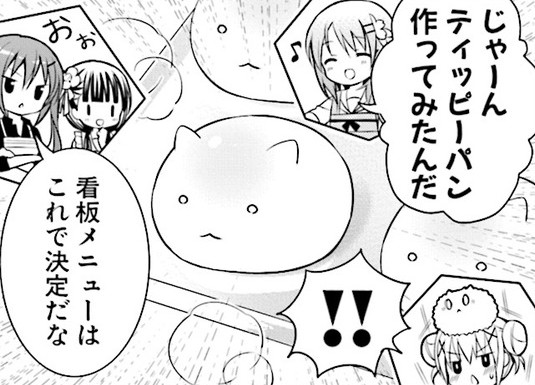
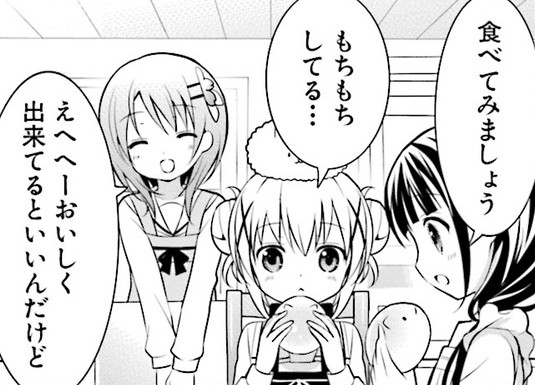
Cocoa made bread shaped like Tippy without knowing how it would come out. 作ってみた reports the experiment, and the じゃーん reveal shows off the result. Rize judges it good enough to be the café’s signature item.
Cocoa puts on Chino’s middle school uniform to see how she looks in it. English “tried on” works the same way. Nothing failed here. 着てみた means she put it on to see.
Example 3 of 4: Tracking device performance with 性能
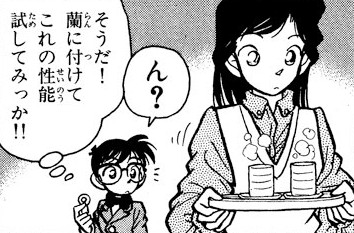
Professor Agasa has given Conan a tracking device, and Conan wants to see how well it works. 試す already means “test”, and 〜てみる adds that he’ll watch what happens. みっか is a rough, casual みるか. Said to himself, it’s a decision made on the spot.
Example 4 of 4: Making a point of trying horror movies with 〜ようにしている
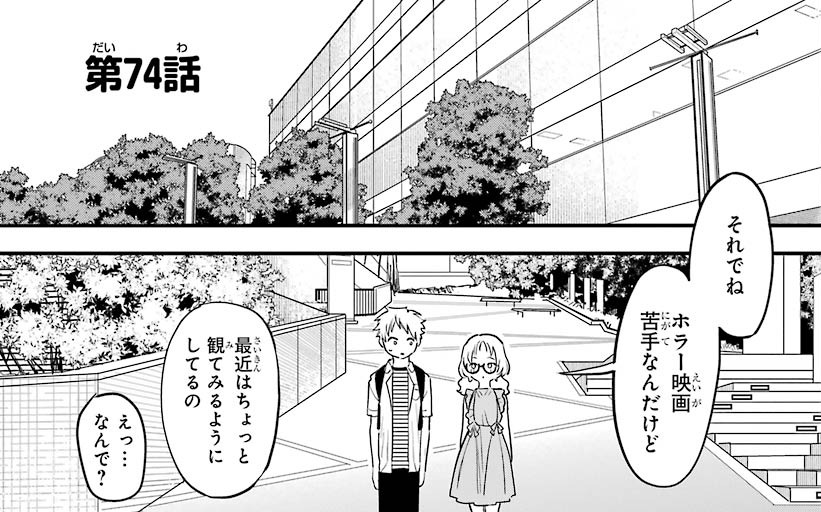
Mie is no good with horror movies, but she tells Komura she has started watching them anyway. 観てみる is “try watching”: she watches a little to see whether she can handle it, with no promise that she’ll enjoy it.
Inviting Someone to Try
A question with 〜てみる offers the listener a chance to try something. 〜てみるか? and 〜てみない? both work like “want to try…?” The negative question sounds softer, closer to “why don’t we…?”
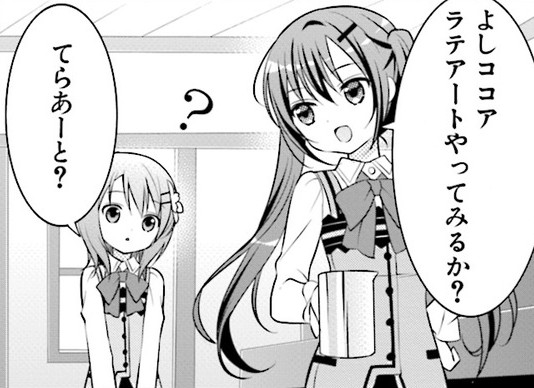
Rize is training Cocoa as a barista. やってみるか? offers Cocoa the next skill to try rather than ordering her to do it. Cocoa’s てらあーと? shows she has no idea what latte art is.
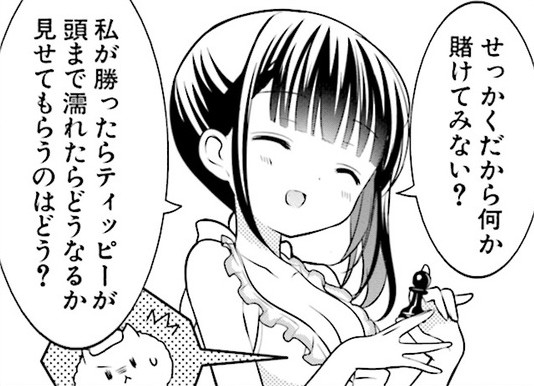
Chiya is about to play chess with Chino. Although 賭けてみない? is a negative question, it doesn’t predict that Chino won’t bet. It proposes the bet, much like “why don’t we bet on something?”
Example 3 of 5: Hoping baked bread is tasty with 〜といい
Example 3 of 5
〜てみよう and polite 〜てみましょう suggest trying something together.
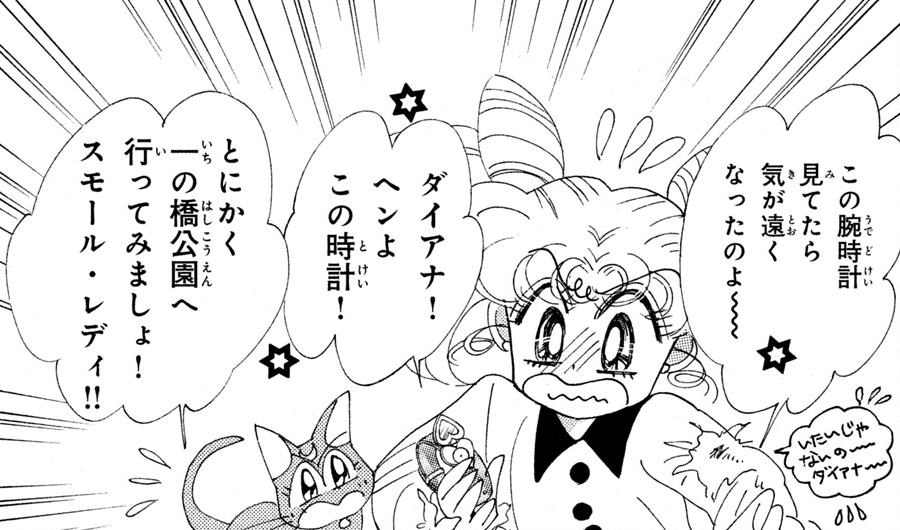
At the stroke of midnight, Chibiusa wakes to a mysterious glow from her new wristwatch. She gets out of bed in a daze, and begins to leave the room. Her cat, Diana, bites her on the arm, returning Chibiusa from her trance.
ちびうさ:
「この腕時計見てたら気が遠くなったのよ〰〰」
“While I was looking at this wristwatch, I became lightheaded〰”
「ダイアナ! ヘンよ この時計!」
“Diana! Something is strange about this watch!”
ダイアナ:
「とにかく 一の橋公園へ行ってみましょ! スモール・レディ!!」
“Anyway, let's try going to Ichinohashi Park! Small Lady!!”
At midnight, Chibiusa’s new wristwatch began to glow, and she walked out of her room in a daze until her cat, Diana, bit her arm. Neither of them knows what the watch means, so Diana suggests going to the park to find out. 行ってみましょ is a shortened 行ってみましょう, “let’s go and see”.
Example 5 of 5: Oiling the takoyaki plate with 油をひく
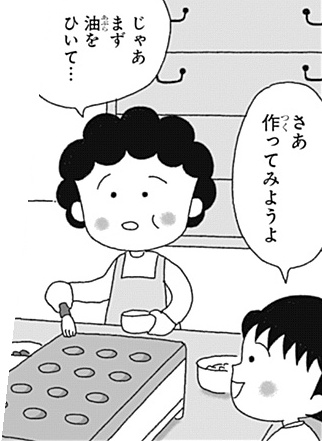
Maruko begged for a takoyaki maker, and Mom said no. Grandpa bought her one anyway, and Maruko talked him into the pricier model with its own burner so they could cook at the table. Mom grumbled, but the two of them pressed her to start making takoyaki right away.
Grandpa has just bought Maruko a takoyaki griddle, and she can’t wait to use it. 作ってみようよ, “let’s try making some”, pulls Mom into a first attempt to see how it turns out.
Asking Someone to Try
〜てみて asks someone to try something, and polite 〜てみてください does the same. In casual speech, 〜てみな and the even shorter 〜てみ sound like “go on, try it”.
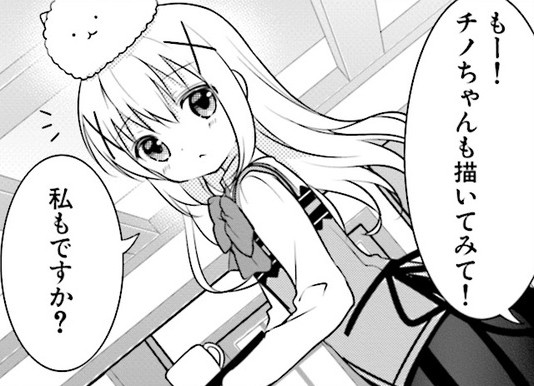
Example 1 of 3: Trying to draw latte art with 〜てみる
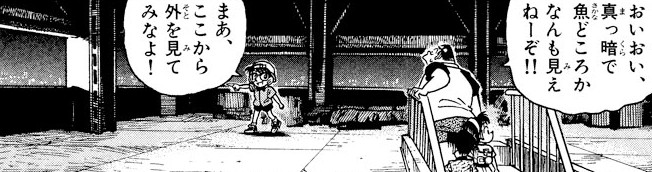
The Detective Boys follow what appears to be an encoded treasure map. They’re able to locate each symbol from the map except for what appears to be a fish. Conan figures it out, and leads the group up a fire escape to the top floor of a nearby building.
元太:
「おいおい、真っ暗で魚どころかなんも見えねーぞ!!」
“Hey, it's pitch black. Far from a fish, I can't even see anything!!”
Genta complains that it’s too dark to see anything, let alone a fish. Conan’s 見てみなよ tells him to look outside and find out for himself. When the main verb is 見る itself, 見てみる means “take a look”.
Example 3 of 3: Takagi's miso soup taste test with 味見する
During cooking class, Takagi is making the miso soup while Nishikata, who has hardly ever cooked, works on the salad. She has just sipped from a small dish to check the soup, and now she calls Nishikata over.
In cooking class, Takagi has just tasted her miso soup, and she holds the dish out to Nishikata. 味見してみて asks him to taste it and tell her how it came out.
Daring Someone with てみろ
The plain imperative 〜てみろ can be a real instruction, “try it”. It’s also a common dare. The speaker tells the listener to go ahead and try, betting they can’t.
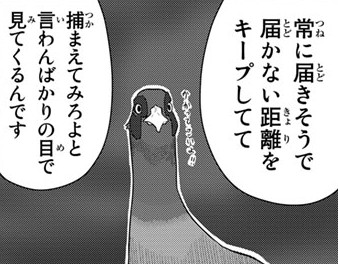
Kei and Chinatsu watch as their cousin, Makoto, chases a pheasant back and forth across the field. During a break in the chase, Makoto explains her fascination with the bird.
真琴:
「常に届きそうで届かない距離をキープしてて」
“It always keeps just out of reach, close enough that I think I can get it...”
「捕まえてみろよと言わんばかりの目で見てくるんです」
“And it gives me a look as if to say, 'Try and catch me!'”
Makoto has been chasing a pheasant around a field. The bird stays just out of reach and looks at her as if to say 捕まえてみろよ, “try and catch me”. It isn’t inviting her to try. It’s betting she can’t.
The reply to a dare often uses a different helper verb, 〜てみせる, “show”. やってみせる means “I’ll show you I can do it”.
Wanting to Try with てみたい
〜てみたい combines 〜てみる with 〜たい to mean “want to try”. The speaker wants the experience and is curious what it will be like.
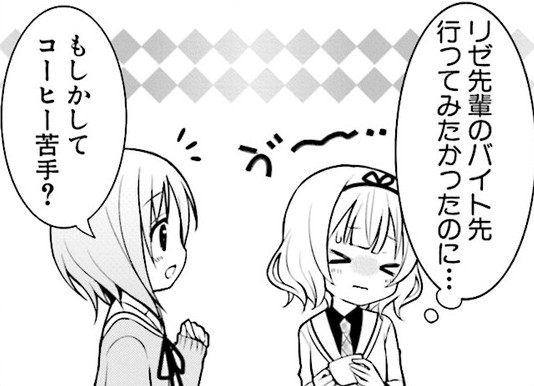
Syaro has just learned that Rize’s workplace mostly serves coffee. 行ってみたかった is past, “I wanted to try going”, and のに adds her disappointment. Cocoa’s reply guesses that coffee is the problem.
Example 2 of 3: Wanting to try eating bread with 〜たい
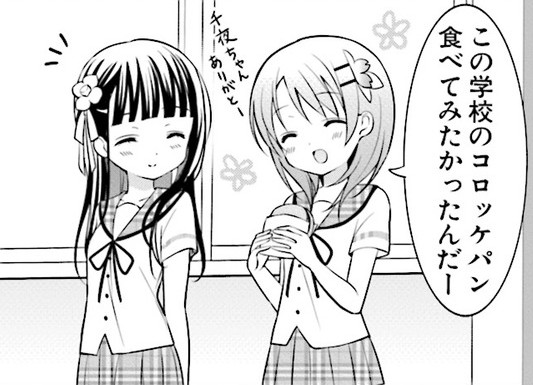
At lunch, Cocoa was showing Chiya the boxed lunch she’d made herself when Chiya’s rabbit Anko, dropped by a crow, landed in it. Now Cocoa has a croquette bun from the school instead.
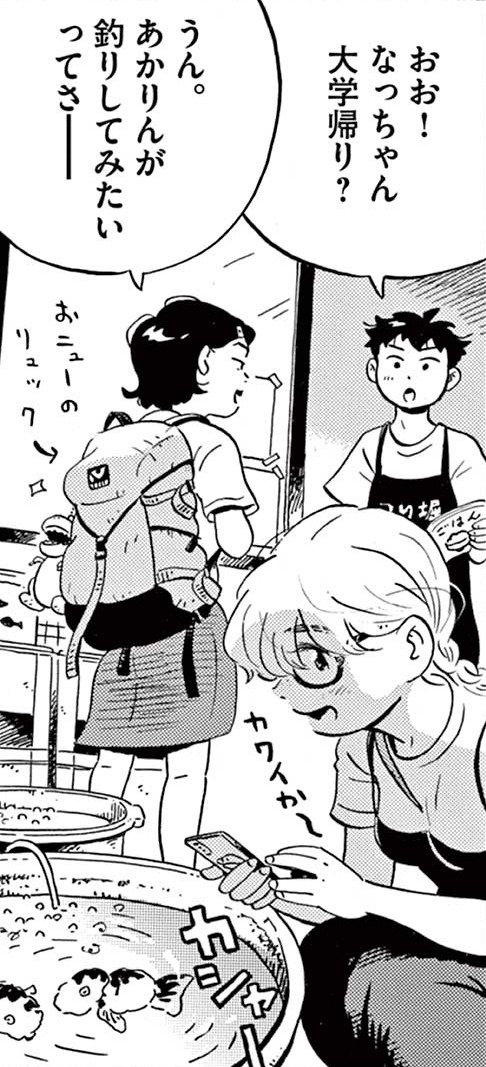
Hiroto works the afternoon shift at a fishing pond in Asagaya, where he mostly minds the counter. Natsumi shows up there with her university friend Akari, who is amazed that a place like this exists in the neighborhood.
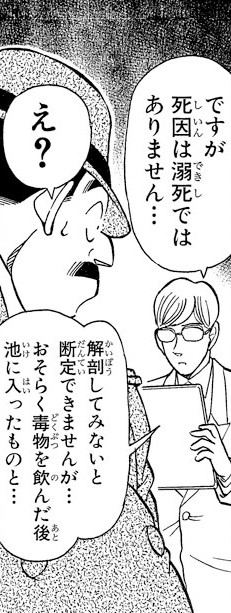
Inspector Megure assumes the man drowned himself. The medical examiner disagrees but can’t be certain yet. 解剖してみないと断定できません means he can’t say for sure until an autopsy shows what happened.
Discovering Something with てみたら and てみると
〜てみたら and 〜てみると report what the speaker found after doing something. The second half of the sentence is the discovery, and it is often unexpected.
食べてみたら意外とおいしかった means “when I tried it, it was surprisingly good”. The speaker had doubts, did the action, and reports the result.
The badminton tournament Taiki has been training for starts today. Chinatsu, who lives at his family’s house, gets up early and finds him already outside doing radio calisthenics. He tells her he couldn’t sit still, and that he thought he’d be tense and stiff with nerves.
大喜:
「いざ当日になってみると楽しみで…!」
“But now that the day's actually here, I'm excited...!”
Taiki expected to be stiff with nerves on the day of his badminton tournament. 当日になってみると isn’t an attempt at anything. It means the day has come, and what follows is what he found once it did: he’s looking forward to it.
Polite 〜てみました often presents something the speaker made or chose. Framing it as an experiment sounds modest, as though the listener gets to judge the result. English rarely uses “try” here.
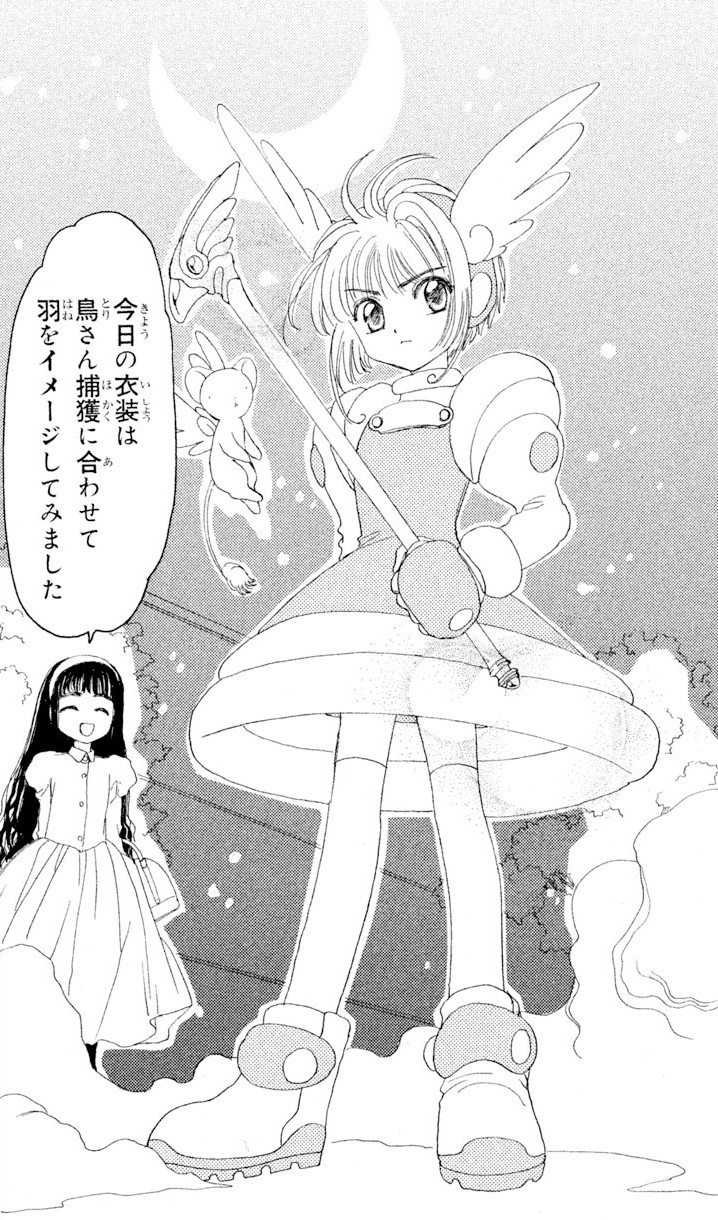
A magical bird appears at Sakura’s school and causes trouble with strong winds. Recognizing it as a Clow Card, Sakura returns at night to try to capture it. After she fails, she returns the next night to try again, sporting a new Cardcaptor outfit designed by her friend Tomoyo.
知世:
「今日の衣装は鳥さん捕獲に合わせて羽をイメージしてみました」
“For today's outfit, I went with a feather-inspired look to match the bird-catching theme.”
Tomoyo designed a new outfit for Sakura’s second attempt at catching a bird-like Clow Card. She explains the idea, feathers to match the bird, with イメージしてみました. The English “I went with a feather-inspired look” drops “try” entirely. The てみました still sounds modest, and it leaves the verdict to Sakura.
Comparing てみる with ようとする
English uses “try” for two different things, and Japanese separates them.
早く寝てみた。朝はすっきり起きられた。
I tried going to bed early. I woke up feeling refreshed.
早く寝ようとしたけど、結局朝まで起きていた。
I tried to go to bed early, but I ended up staying up until morning.
With 〜てみる, the speaker went to bed early and reports how it went. With 〜ようとする, the speaker meant to but never managed it. To describe an attempt that never came off, use 〜ようとする.
〜てみたけど can still report a disappointing result. 押してみたけど動かなかった means “I tried pushing it, but it didn’t move”. The pushing happened. It just didn’t work.