Wanting to do with 〜たい
Grammar: Hope » 〜たい
Appending たい to a verb stem expresses the speaker’s desire to perform an action.
Usage Notes
〜たい states the speaker’s own desire, or the desire of someone whose inner feelings the sentence represents. For another person’s desire, either 〜たがる or indirect wording is used instead.
The resulting form behaves like an い-adjective, so it can become 〜たくない, 〜たかった, or modify another noun-like expression.
Related Grammar
-
Want you to do something with 〜てほしい
- Expresses the speaker's desire for someone else to do something.
Examples
Wanting to bake bread again with 〜たい
Grammar Explanation: Wanting to do with 〜たい

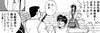
Cocoa and Chiya pass by a bakery. Cocoa stops to admire the bread in the window.
- ココア:
- 「実家がベーカリーでよく作ってたんだ」
- “My family runs a bakery, so I used to bake bread all the time.”
- 「また作りたいなぁ」
- “I want to make it again.”
- 千夜:
- 「お手製なの?すごい!」
- “You made these yourself? Amazing!”
Wanting to be cared about with 〜たい
Grammar Explanation: Wanting to do with 〜たい

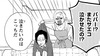
After a fight, Cocoa and Chino are finally on good terms again until Cocoa flips a pancake she’s cooking and it lands on Chino’s face. Soon after, Chino finds Cocoa face down on the table with a dying message written in ketchup.
- チノ:
- 「大変です!ココアさんがケチャップで死んでます!」
- “This is terrible! Cocoa's died in a pool of ketchup!”
- リゼ:
- 「構ってもらいたいんだよ真に受けるな」
- “She just wants attention from you, so don't take it seriously.”
Wanting to burn fliers with 〜たい
Grammar Explanation: Wanting to do with 〜たい

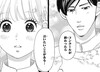
Seeing Syaro handing out advertisement fliers. When Syaro says she can’t go home until she’s done with them, Cocoa likens her to the fabled little match girl.
- ココア:
- 「そんなにチラシ燃やしたかった?」
- “Did you really want to burn the fliers that badly?”
- 「マッチならあるよ」
- “I've got some matches.”
- シャロ:
- 「そういう意味じゃない」
- “That's not what I meant.”


Supplemental Examples