Reaping what you sow with 自業自得
自業自得 means that someone faces the consequences of their own actions, usually negative ones. A close English expression is “you reap what you sow”.
Breaking Down the Kanji
- 自 = self, oneself
- 業 = deed, karma, action
- 自 = self, oneself (repeated)
- 得 = obtain, get, acquire
Literally, it means “one’s own deeds, one’s own gain”: what a person receives follows from what they did.
Usage Notes
自業自得 can cover good or bad consequences, but speakers usually use it for trouble caused by someone’s poor choices.
The phrase says that the consequence was predictable or deserved. Similar English expressions include:
- “You made your bed, now lie in it”
- “You have only yourself to blame”
- “Serves you right”
Buddhist Origins
The term comes from Buddhism. Here, 業 refers to deeds and their consequences: each person receives the results of their own actions.
Examples
A groper's condemnation with 自業自得
Idiom Explanation: Reaping what you sow with 自業自得
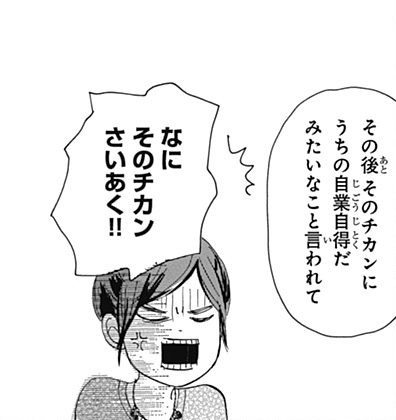
Rinko tells Saijou how she first met Takeo through her encounter with a groper on the train. It was Takeo who came to her rescue.
- 凛子:
- 「その後 そのチカンにうちの自業自得だみたいなこと言われて」
- “After that, the groper essentially told me it was my own fault.”
- 西城:
- 「なに そのチカン さいあく!!」
- “What?! That groper is the worst!”