Entering and putting in with 入
入 represents the act of moving from the outside to the inside, or stepping into a new environment.
- Grade 1
- JLPT N5 (estimate)
- WaniKani level 1
- 2 strokes
Words with 入
- Entering
- Institutions
- 入学 にゅうがく Enrollment
- 入部 にゅうぶ Joining a club
- 入院 にゅういん Hospitalization
- Acquisition
- 購入 こうにゅう Purchase
- 手に入れる てにいれる To obtain
- Intrusion
- 侵入 しんにゅう Intrusion
- 潜入 せんにゅう Infiltration
- Systems
- 入力 にゅうりょく Input
- Venues
- 入場 にゅうじょう Admission
- 入場制限 にゅうじょうせいげん Admission restriction
The bold kana are the part 入 contributes. Words in a dashed box have no manga example yet.
How to Read 入
- 入る (はいる)
にゅう in compounds. Three native verbs use this kanji. 入る is to go in. 入れる is to put in. The older 入る survives inside set phrases, as in 気に入る, to like, and 入り口, an entrance.
Etymology
This kanji is a pictogram showing a point moving inward through an opening. The narrowing lines suggest motion into a space rather than outward from it.
Entering
入る (はいる) (To enter)
入る is to go into a place, or for something to be inside. It also means to join a club or school.
Example 1 of 7: A long-desired kaleidoscope with 万華鏡
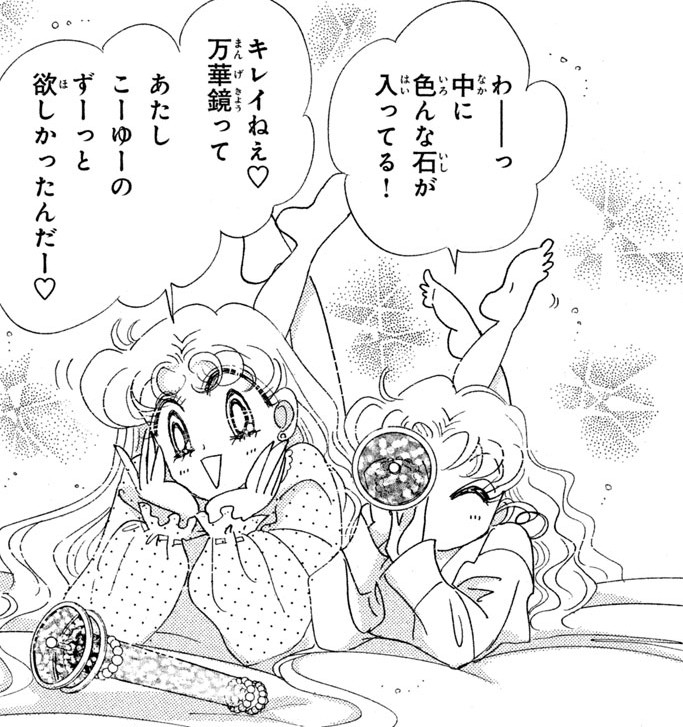
Usagi and Chibiusa look at the kaleidoscopes Mamoru bought them at the carnival.
- ちびうさ:
- 「わーーーっ 中に色んな石が入ってる」
- “Wow! There are all kinds of stones inside!”
- うさぎ:
- 「キレイねえ♡ 万華鏡って」
- “It's so pretty♡ A kaleidoscope...”
- 「あたし こーゆーの ずーっと 欲しかったんだー♡」
- “I've wanted one of these for so long♡”
Example 2 of 7: Leaving the room while Yukiko was out with 〜間
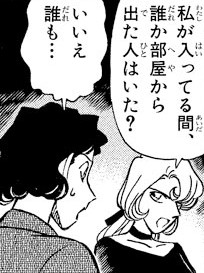
A murder victim was last heard from via phone call at 9PM. Her body was found outside later that night. Yukiko was in the main room with everyone except when she was bathing.
- 有希子:
- 「私が入ってる間、誰か部屋から出た人はいた?」
- “While I was in the bath, was there anyone who left the room?”
- 広美:
- 「いいえ誰も…」
- “No, no one...”
Example 3 of 7: Filling a pot for a double boiler with 鍋に水を張る
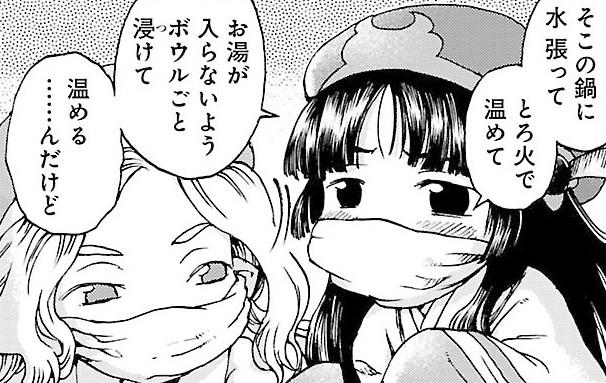
Konju drops by Hakumei and Mikochi’s new house and talks Mikochi into letting her help make honey waffles. Mikochi tells her to whisk the eggs and honey over a double boiler on low heat. Konju asks what a double boiler is, and Mikochi realizes she has to start from the basics.
- ミコチ:
- 「そこの鍋に水張って」
- “Fill that pot there with water.”
- 「とろ火で温めて」
- “Heat it on a low flame.”
- 「お湯が入らないようボウルごと浸けて」
- “Set the whole bowl in it without letting the water get inside.”
- 「温める……んだけど」
- “And that warms it… is the idea, anyway.”
Example 4 of 7: Leaving the zoo quickly after entering with 〜てから
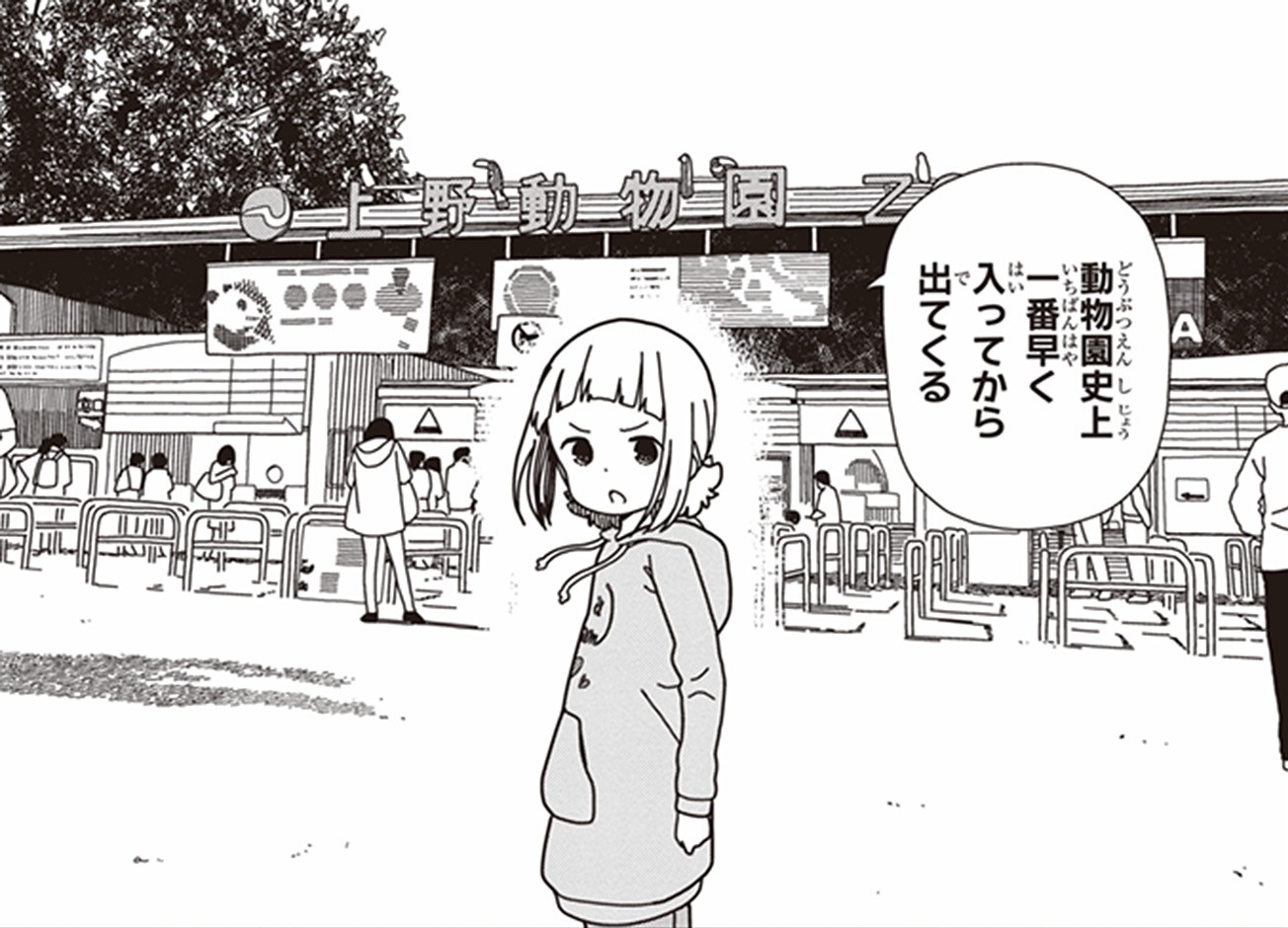
While trying to find something to do, Sacchan and her friends pass by the zoo, which is free for children to enter. Yui asks if Sacchan plans to enter the zoo.
- さっちゃん:
- 「動物園史上一番早く入ってから出てくる」
- “The fastest in zoo history to enter and then leave.”
Example 5 of 7: I wish I could go into a hole with 穴があったら入りたい
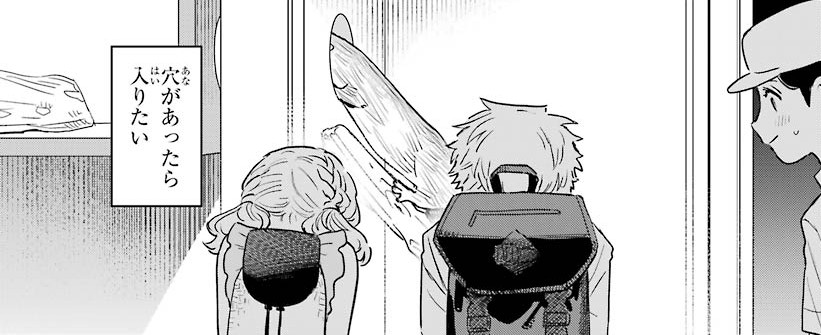
To avoid being spotted by classmates while on a date at the aquarium, Mie switches to calling Komura by his given name. Komura tries to do the same, but is unable to. They stop by to see an otter. Hearing the otter’s name is Ai-chan, Komura realizes he can practice saying Mie’s given name, Ai, without embarrassment if he’s addressing an otter. After Komura greatly compliments Ai-chan, the otter, on how cute she is, he realizes he’s embarrassed Mie, embarrassing himself at the realization.
- 小村:
- 「穴があったら入りたい」
- “I wish there was a hole I could go into...”
Example 6 of 7: Only dodging and never attacking with 〜ばかり
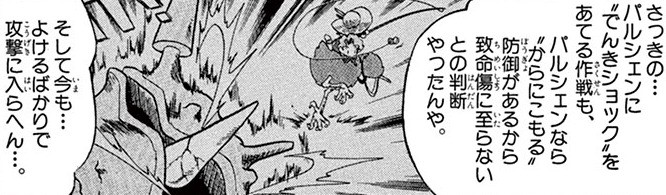
Kanna of the Elite Four has Yellow and Masaki under attack with ice missiles fired by her Cloyster and Dewgong. Yellow hits Cloyster with Thunder Shock, which keeps it from firing, and the two escape on Yellow’s Dodo. When Kanna attacks again, Dodo only dodges. Masaki asks why Yellow won’t fight back, and Yellow says they should run. Masaki then realizes that Yellow is trying not to hurt anyone, friend or enemy.
- マサキ:
- 「さっきの…パルシェンに〝でんきショック〟をあてる作戦も、パルシェンなら〝からにこもる〟防御があるから致命傷に至らないとの判断やったんや。」
- “That plan earlier, hitting Cloyster with Thunder Shock... he'd figured Cloyster could defend itself with Withdraw, so the hit wouldn't be fatal.”
- 「そして今も…よけるばかりで攻撃に入らへん…。」
- “And now too... he's only dodging, and he won't go on the attack...”
Example 7 of 7: Proportional to the degree of time passed with 〜ば〜ほど
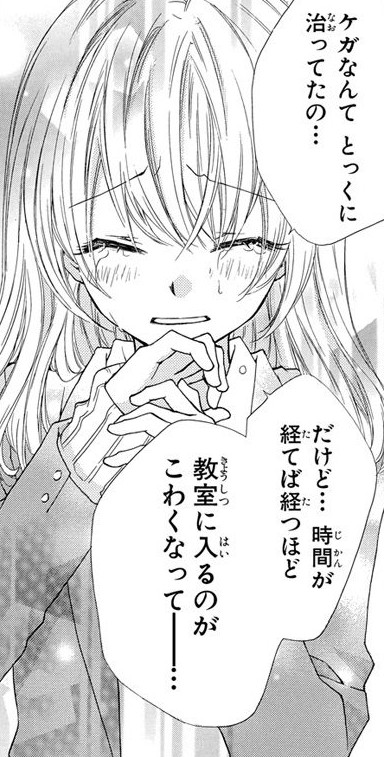
After a traffic accident sends Hiyori to the hospital, she misses the first few months of the school year. Once she’s finally able to attend, an embarrassing situation occurs, and she runs out of the classroom and hides. Yuushin tracks her down, and Hiyori tells him she should never have come to school.
- ひより:
- 「ケガなんて とっくに治ってたの…」
- “I'd already healed from my injuries.”
- 「だけど… 時間が経てば経つほど教室に入るのがこわくなってーー…」
- “But, the more time passed, the more scary it became to return to class.”
入れる (いれる) (To put in)
入れる is to put something inside something else. It also means to let someone in, or to make tea or coffee.
Example 1 of 11: Anyone had the chance with つまり〜わけだ
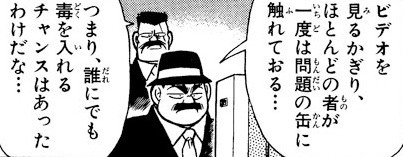
Ran and Sonoko’s middle school teacher collapsed at her wedding after drinking lemon tea laced with caustic soda. The poison was sealed in a capsule that dissolved slowly, so the police can’t pin down when it went into the can. Ran and Sonoko had left a video camera running in the bride’s room, and Inspector Megure has just used the footage to list when each visitor was with her.
- 目暮:
- 「ビデオを見るかぎり、ほとんどの者が一度は問題の缶に触れておる…」
- “As far as the video shows, almost everyone touched the can in question at least once...”
- 「つまり、誰にでも毒を入れるチャンスはあったわけだな…」
- “In other words, anyone had a chance to put the poison in...”
Example 2 of 11: Especially ferocious with とりわけ
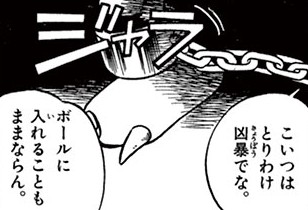
Following a potential lead on trainers’ Pokémon having gone missing, Red sneaks aboard a ship docked at the harbor. There, he’s confronted by Machisu. As the single Pokémon with Red was already hurt in a surprise attack, Machisu offers to finish it off with his prize Pokémon.
- マチス:
- 「こいつはとりわけ凶暴でな。ボールに入れることもままならん。」
- “This one is especially ferocious. It can't even be put into a Poké Ball.”
Example 3 of 11: Grocery shopping plan understood with 了解
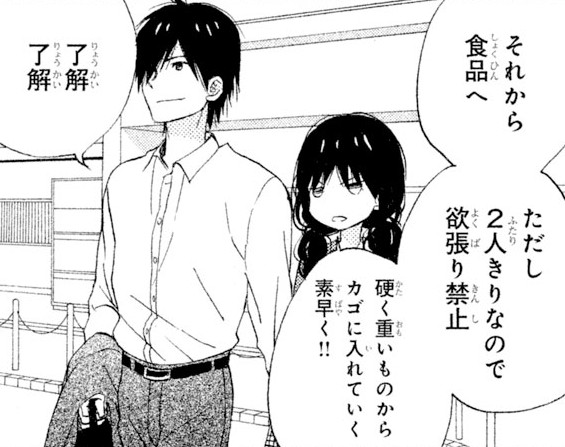
Mao needs Hiro to go grocery shopping with her due to a sale that’s limited per customer. She tells him the plan is to start by grabbing everyday household items first.
- 真魚:
- 「それから食品へ」
- “Then move on to food.”
- 「ただし2人きりなので欲張り禁止」
- “But since it's just the two of us, no hoarding allowed!”
- 「硬く重いものからカゴに入れていく素早く!!」
- “We'll fill the basket as we go, starting with the hard, heavy stuff. Fast!!”
- 基:
- 「了解 了解」
- “Roger that.”
Example 4 of 11: Hesitant to wear contacts with 抵抗
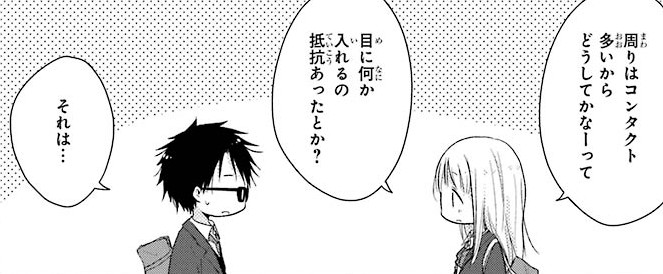
Seeing Shun again for the first time in seven years, Sana notices he’s now wearing glasses. She asks him why he doesn’t wear contacts.
- 紗奈:
- 「周りはコンタクト多いからどうしてかなーって」
- “Most people wear contacts, so I was kind of wondering why.”
- 「目に何か入れるの抵抗あったとか?」
- “Is it because you're hesitant with putting something in your eye?”
- 駿:
- 「それは…」
- “Well...”
Example 5 of 11: Kneading dough for the jam stall with 捏ねる
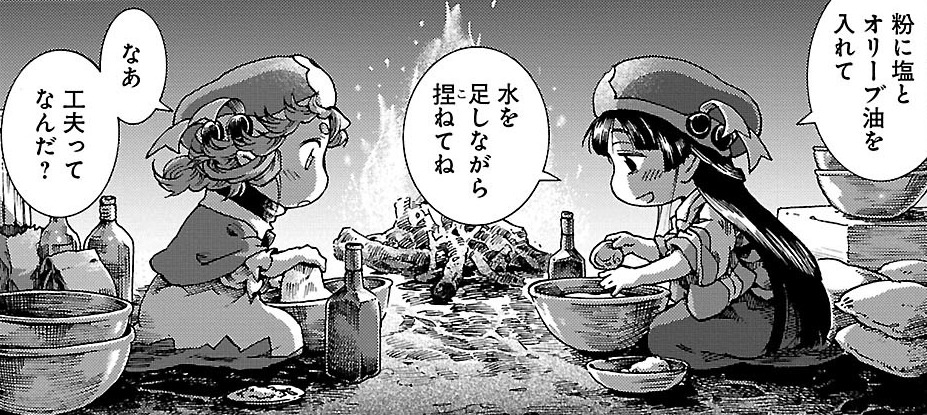
Mikochi is making a jam-and-bread set to sell at the festival, and she and Hakumei are cooking outdoors. They layered raspberries and sugar in a big pot, and when Hakumei worried the jam would come out too sweet, Mikochi said she had a little trick in mind. With the berries left to sit, Mikochi says it’s time to get the bread ready.
- ミコチ:
- 「粉に塩とオリーブ油を入れて」
- “Put salt and olive oil in the flour...”
- 「水を足しながら捏ねてね」
- “...then knead it while you add water.”
- ハクメイ:
- 「なあ」
- “Hey.”
- 「工夫ってなんだ?」
- “What's this trick of yours?”
Example 6 of 11: Low heat for Komari's curry with 弱火
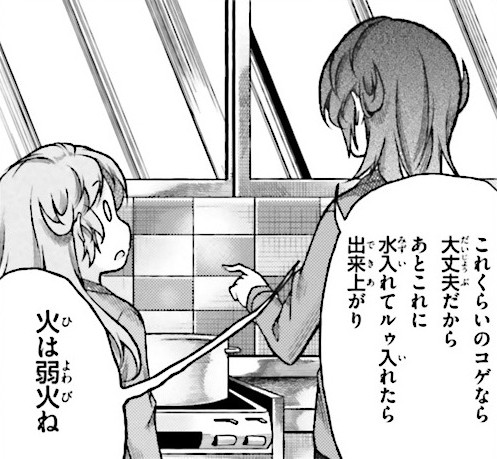
Komari insisted on making dinner by herself to prove to her sister Natsumi that she can cook. She settled on curry, using last night’s leftover meat and potato stew as the base, but while she was searching the kitchen for sugar, the pot began to smoke. Her mother came in, turned off the burner, and told her a little smoke was nothing to panic over.
- お母さん:
- 「これくらいのコゲなら大丈夫だから あとこれに水入れてルゥ入れたら出来上がり」
- “This little bit of scorching is fine. Now just add water and the roux, and it's done.”
- 「火は弱火ね」
- “Keep it on low heat, okay?”
Example 7 of 11: Not hot enough for the AC with 〜ほど〜ない
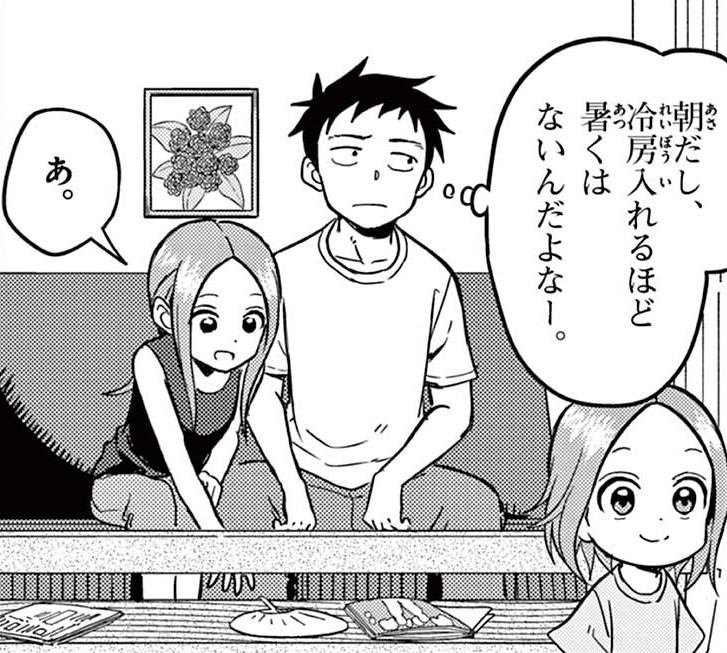
On a warm morning, Chii has taken over the electric fan, chasing it as it swings so the breeze only reaches her. Nishikata complains that none of the air is getting to him, and Takagi laughs.
- 西片:
- 「朝だし、冷房入れるほど暑くはないんだよなー。」
- “It's still morning, and it's not really hot enough to turn on the AC.”
- 高木:
- 「あ。」
- “Oh.”
Example 8 of 11: Scoring like crazy in the ball-toss event with 玉入れ
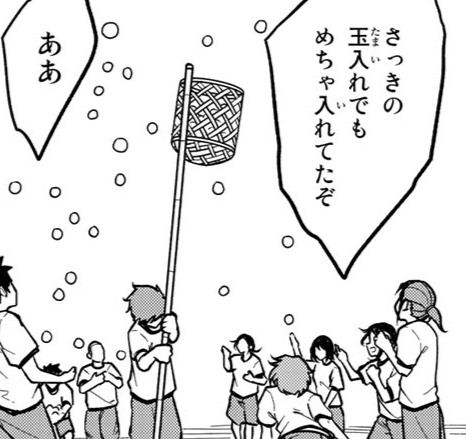
A couple of Urushi’s classmates noticed Tanaka’s athletic performance, starting with his pulling ahead and taking first place in the sports day relay race.
- 生徒:
- 「さっきの玉入れもめちゃ入れてたぞ」
- “He was scoring like crazy in the ball-toss game earlier, too.”
Example 9 of 11: Singing one song after another with 連続
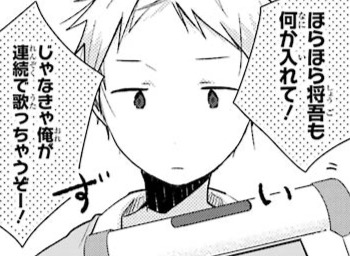
To distract himself from things going on with Fujimiya, Hase goes to karaoke, bringing Shougo with him.
- 長谷:
- 「ほらほら将吾も何か入れて!」
- “Come on, come on, Shougo! Put something in, too!”
- 「じゃなきゃ俺が連続で歌っちゃうぞー!」
- “Otherwise, I'll just keep singing one after another!”
Example 10 of 11: Tasting Kiyo's tonjiru with 味見
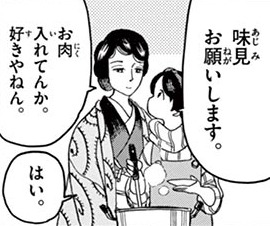
Momoko has dropped by the house and sat quietly watching Kiyo work in the kitchen. When Kiyo starts on dinner, she invites Momoko to stay and eat with everyone, and Momoko brightens when she hears it will be tonjiru, a miso soup full of pork and vegetables. Now the soup is done.
- キヨ:
- 「味見お願いします。」
- “Would you taste it for me?”
- 百子さん:
- 「お肉入れてんか。好きやねん。」
- “Put some meat in, would you? I love it.”
- キヨ:
- 「はい。」
- “Sure.”
Example 11 of 11: Trading a vote for help with 選挙
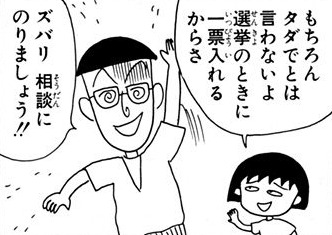
A rumor that Maruko and Hamaji are a couple has spread through the class, and their classmates won’t stop teasing them. They have even passed around a mock newspaper about it. Maruko asks Maruo, the class representative, to save her from the rumor, and he is delighted that she came to him for a favor.
- まる子:
- 「もちろん タダでとは言わないよ 選挙のときに一票入れるからさ」
- “Of course, I'm not asking you to do it for free. I'll give you my vote at election time.”
- 丸尾くん:
- 「ズバリ 相談にのりましょう!!」
- “Precisely! I shall take up your case!!”
玉入れ (たまいれ) (Ball toss)
玉入れ means a team contest in which players throw small cloth balls into a basket on a tall pole.
A couple of Urushi’s classmates noticed Tanaka’s athletic performance, starting with his pulling ahead and taking first place in the sports day relay race.
- 生徒:
- 「さっきの玉入れもめちゃ入れてたぞ」
- “He was scoring like crazy in the ball-toss game earlier, too.”
入れ込む (いれこむ) (To be into)
入れ込む is to put a lot of passion into something or someone.
It combines 入れ (putting in) with 込む (go deep) to show putting oneself in deep.
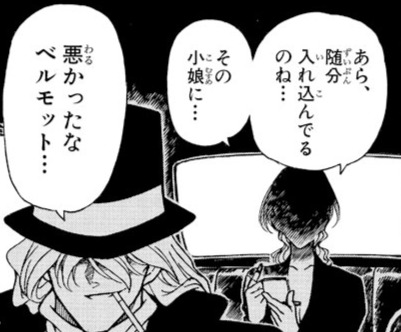
Gin and Vodka finally find Sherry, but after multiple gunshots are fired, she escapes. Vodka thinks they should continue to search for her, but Gin says there’s no way she’ll stay in town after their encounter.
- ベルモット:
- 「あら、随分入れ込んでるのね…」
- “Oh my... You're rather interested in her, aren't you...”
- 「その小娘に…」
- “That little girl...”
- ジン:
- 「悪かったなベルモット…」
- “Sorry, Vermouth...”
活を入れる (かつをいれる) (To fire someone up)
活を入れる is to rouse someone who is slacking or give them a jolt of energy. It first meant reviving someone who had fainted, as in judo.
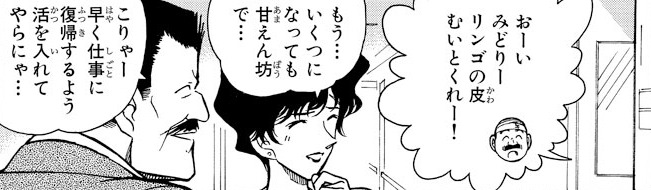
Inspector Megure is in the hospital after an old head wound reopened during a case. Superintendent Matsumoto has just told Kogoro and the others how Megure got the scar twenty years ago. Now Megure’s wife, Midori, has stepped out of his room to greet the visitors.
- 目暮:
- 「おーい みどりー リンゴの皮むいとくれー!」
- “Heeey, Midori! Peel an apple for me!”
- みどり:
- 「もう… いくつになっても甘えん坊で…」
- “Honestly... He's such a baby, no matter how old he gets...”
- 松本:
- 「こりゃー早く仕事に復帰するよう活を入れてやらにゃ…」
- “Looks like I'll have to light a fire under him so he gets back to work soon...”
入れ物 (いれもの) (Container)
入れ物 is a container, anything you put things in, such as a jar, box, or case.
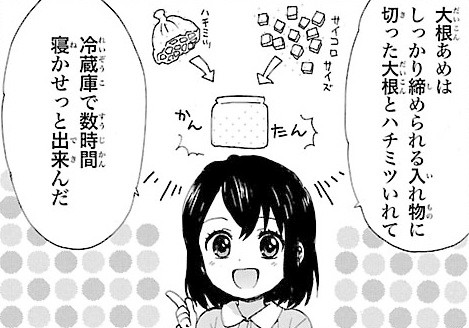
Moka has a sore throat. Hinata scolds her so harshly that Moka cries, then makes up for it with a jar of daikon syrup. Moka tastes it and is surprised that it’s sweet and nothing like daikon.
- 日向:
- 「大根あめはしっかり締められる入れ物に切った大根とハチミツいれて」
- “For daikon syrup, you put cut daikon and honey in a container that seals tight...”
- 「冷蔵庫で数時間寝かせっと出来んだ」
- “...and once you let it sit in the fridge for a few hours, it's ready.”
Institutions
入部 (にゅうぶ) (Joining a club)
入部 means joining a school club or sports team.
It combines 入 (enter) with 部 (club) to show entering a club.
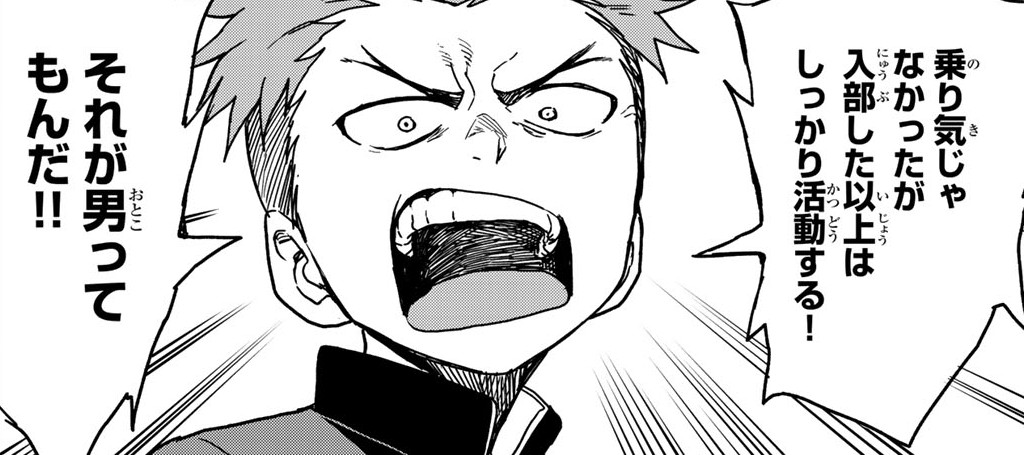
Sakurako forces Takeru to join the shogi club. When he suggests she join as well, she refuses and tells him not to go either, or else he’ll be in the way there.
- タケル:
- 「乗り気じゃなかったが入部した以上はしっかり活動する!」
- “I wasn't enthusiastic, but now that I'm in the club, I'll work hard!”
- 「それが男ってもんだ!!」
- “That's what it means to be a man!!”
Acquisition
手に入れる (てにいれる) (To obtain)
手に入れる means to get something into your possession, whether by buying, finding, or taking it.
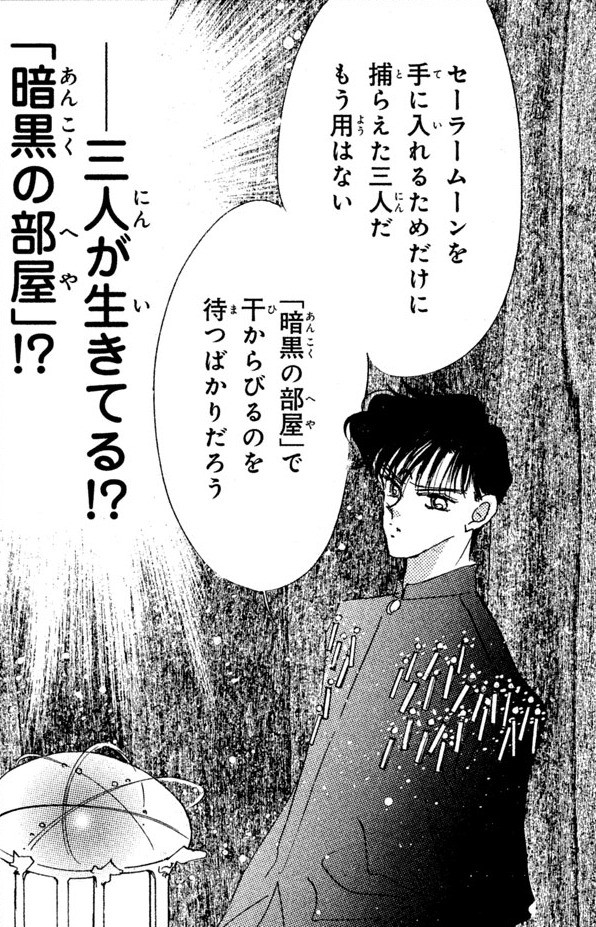
Sailormoon is searching the Black Moon clan’s maze-like castle for Mars, Mercury, and Jupiter, who were taken captive. She sensed them for an instant, then lost them. Weak and short of breath, she overhears Saphir talking with another member of the clan, who asks whether the three warriors are still alive.
- サフィール:
- 「セーラームーンを手に入れるためだけに捕らえた三人だ もう用はない」
- “We only took those three to get our hands on Sailormoon. We have no more use for them.”
- 「『暗黒の部屋』で干からびるのを待つばかりだろう」
- “I expect all that's left for them is to wait in the 'Room of Darkness' until they shrivel up.”
- うさぎ:
- 「三人が生きてる!? 『暗黒の部屋』!?」
- “The three of them are alive!? The 'Room of Darkness'!?”
Intrusion
潜入 (せんにゅう) (Infiltration)
潜入 means secretly entering or infiltrating a place or organization, often for spying or investigation.
It combines 潜 (hide) with 入 (enter) to show secretly entering while concealed.
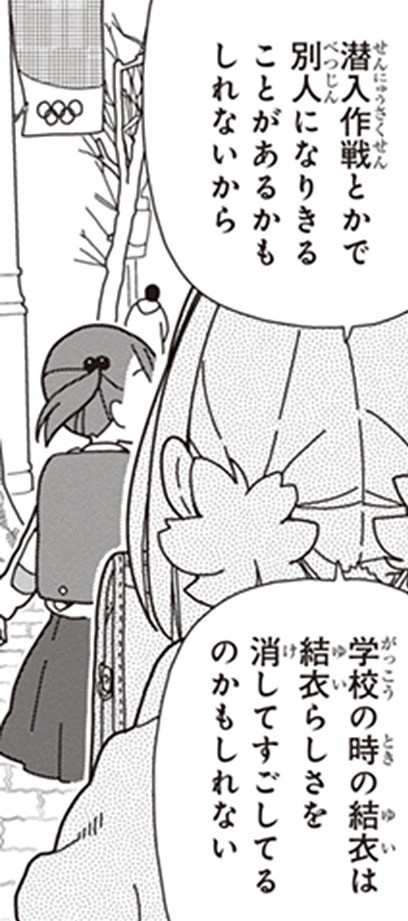
Sacchan and Kotoha notice Yui walking with a couple of her friends from school. The two decide to sneak and follow after them. Sacchan notices Yui doesn’t act quite the same with these friends as she does with Sacchan and Kotoha.
- さっちゃん:
- 「潜入作戦とかで別人になりきることがあるかもしれないから」
- “Maybe it's because she's in an undercover operation or something that she sometimes pretends to be a different person....”
- 「学校の時の結衣は結衣らしさを消してすごしてるのかもしれない」
- “...that Yui at school might be trying to hide her true self.”
Venues
入場制限 (にゅうじょうせいげん) (Admission restriction)
入場制限 means an admission restriction or limit on the number of people allowed to enter a venue.
It combines 入場 (admission) with 制限 (restriction) to show a limit on entry to a venue.
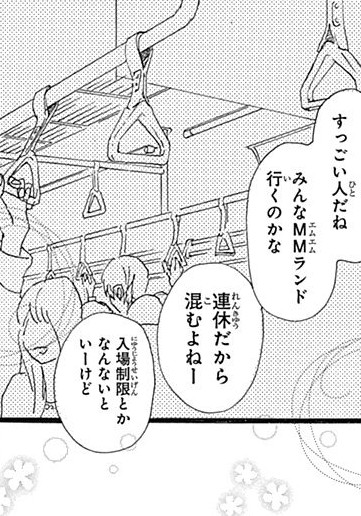
Takeo and his friends board the train bound for the amusement park, MM Land.
- 凛子:
- 「すっごい人だね。みんなMMランド行くのかな」
- “There's a lot of people here. I wonder if everyone's going to MM Land.”
- 隼人:
- 「連休だから混むよねー」
- “It's a long holiday, so it'll be crowded.”
- 愛:
- 「入場制限とかなんないといーけど」
- “I hope they don't restrict admission or anything.”
Building Bigger Words
These patterns come up again and again in manga. Learn the pattern and you can read words you've never seen.
入り いり (going in)
- お気に入り おきにいり a favorite
- 入り口 いりぐち entrance
- 出入り でいり coming and going
- 新入り しんいり newcomer
〜入れ いれ (putting in)
- 手入れ ていれ upkeep
- 差し入れ さしいれ treats brought to someone at work
- 受け入れる うけいれる to accept
入〜 にゅう (joining or entering)
- 入学式 にゅうがくしき school entrance ceremony
- 入社 にゅうしゃ joining a company
- 入試 にゅうし entrance exam
- 入浴 にゅうよく taking a bath
〜入 にゅう (something going in)
- 突入 とつにゅう charging in
- 収入 しゅうにゅう income
- 記入 きにゅう filling in a form
- 投入 とうにゅう throwing in
Check Yourself
What does 入 mean?
Entering and putting in.
Read These Without Furigana
入る
入れる
玉入れ
入れ込む
活を入れる
入部
Work Out a New Word
新 is new, and 生 is a student. Read 新入生 in this line. Who is the orientation for?
「では新入生のオリエンテーションを始めます」
Show the answer
新入生, new students. “We will now begin orientation for new students.”
入る and 入れる look alike. Read each. Which one do you do to a thing?
Show the answer
入る is to go in. 入れる is to put a thing in.