Measures and degrees with 度
度 originally meant “ruler” or “to measure”, but its meaning has evolved to denote “degree” or “limit”, “number of times”, and “units of angle or temperature”.
Measurement
露出度 (Degree of exposure)
露出度 means the amount of skin exposed or the degree of public or media visibility.
It combines 露出 (exposure) with 度 (degree) to show the measured extent of exposure.

Rize misunderstands Cocoa’s suggesting the staff of Rabbit House wear bunny ears. She imagines herself in a skimpy bunny girl outfit.
- リゼ:
- 「露出度高すぎだろ!」
- “That's way too revealing!”
- ココア:
- 「ウサ耳の話しかしてないのに」
- “Even though we haven't talked about anything but bunny ears...”
Time
今度 (This time)
今度 means “this time” or “next time”, depending on context.
It combines 今 (now) with 度 (occurrence) to show the present or upcoming occasion.
Example 1 of 2: Going to buy mugs with 〜に行く

Cocoa discusses the café’s coffee cups with Chino.
- ココア:
- 「この前面白いカップ見つけたんだ」
- “I found an interesting cup the other day.”
- 「今度買いに行かない?」
- “Why don't we go buy some?”
- リゼ:
- 「へぇ どんな」
- “Oh? What kind?”
Example 2 of 2: Going to say good morning with 行っといで
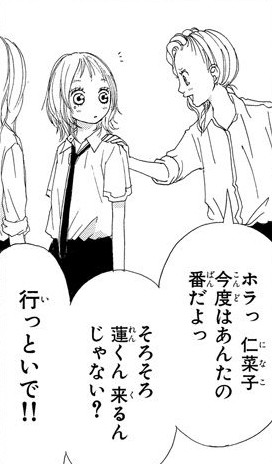
Ninako confessed her feelings to Ren, even knowing he already has a girlfriend and would turn her down. After not seeing Ren during summer break, Ninako wonders if she’ll still be able to greet him normally. After a boy she turned down greets her normally, Ninako feels more confident.
- つかさ:
- 「ホラっ 仁奈子 今度はあんたの番だよっ」
- “Hey, Ninako, now it's your turn.”
- 「そろそろ連くん 来るんじゃない?」
- “Won't Ren being coming soon?”
- 「行っといで!!」
- “Go for it!!”
一度 (Once)
一度 means once, one time, or at one point in the past.
It combines 一 (one) with 度 (occurrence) to show one occurrence.
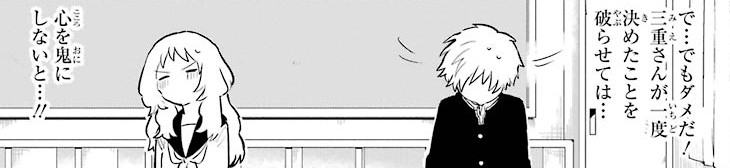
Having gained weight recently, Mie asks Komura to stop her from eating sweets at school, a difficult task as it’s White Day. Komura repeatedly stops Mie from eating the cookies and chocolate she’s received as gifts. His resolve weakens as he finds it adorable how Mie tries to sneak a bite whenever he’s not looking.
- 小村:
- 「で…でもダメだ! 三重さんが一度決めたことを破らせては… 心を鬼にしないと…!!」
- “But, that's no good! If I let Mie break her decision... I have to be strict for her sake!”
毎度 (Every time)
毎度 means every time or on each occasion. In customer service, 毎度ありがとうございます is a familiar way to thank someone for their continued patronage.
It combines 毎 (every) with 度 (occasion) to show each time something occurs.
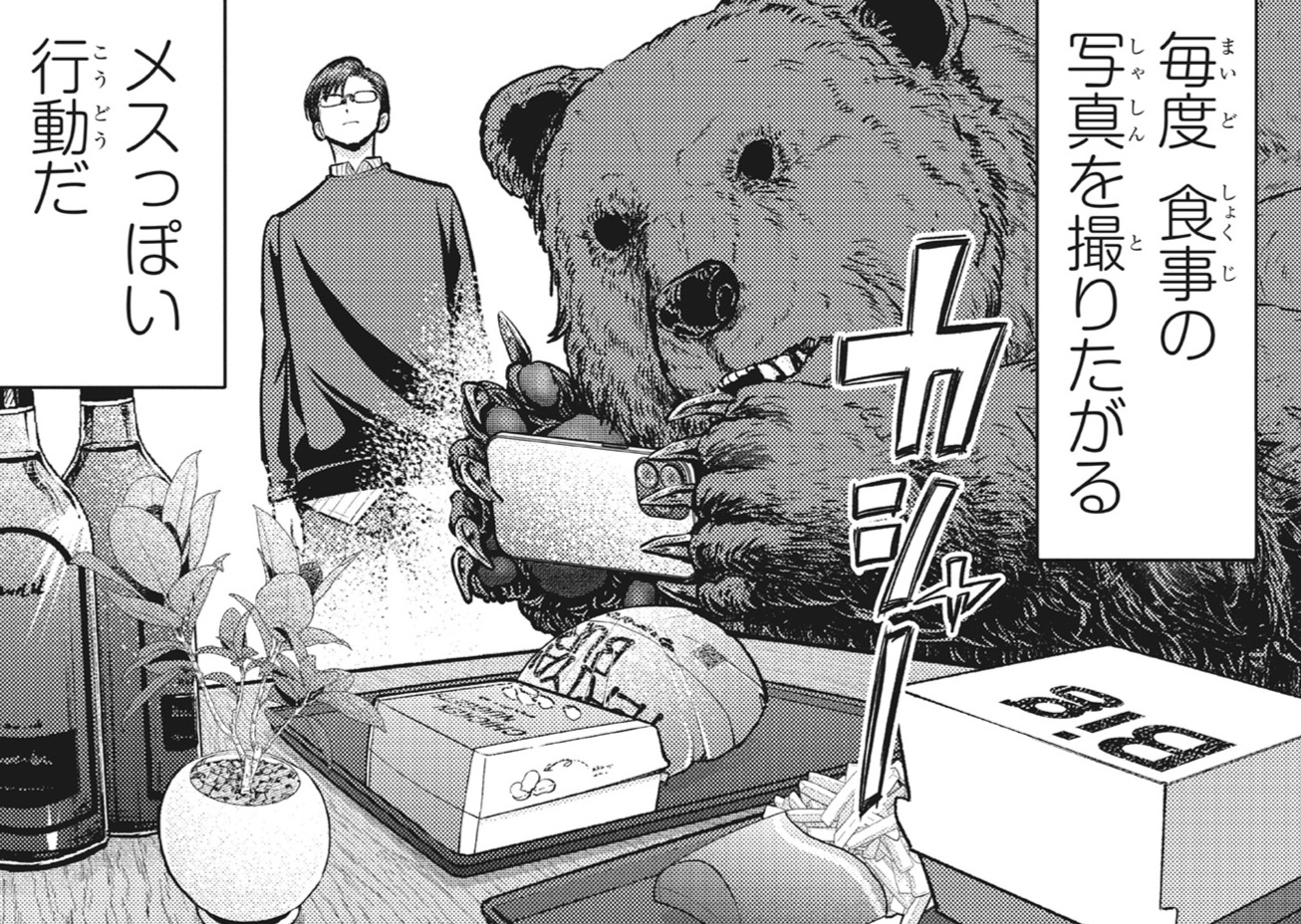
Kumada observes the bear that’s been living in his apartment for a while now, trying to determine from its personality traits whether it’s male or female.
- (熊田):
- 「毎度 食事の写真を取りたがる」
- “It always wants to take photos of its meals.”
- 「メスっぽい行動だ」
- “That's pretty feminine behavior.”