Privacy and self with 私
The kanji 私 involves things that are private and personal. In modern Japanese it also serves as the common word for I or me.
Etymology
Etymology Research
Competing Formation Accounts
Kanjipedia, citing Kadokawa’s revised Shinjigen, classifies 私 as 会意形声. It combines 禾, grain, with 厶, シ and private, and interprets the character as grain enclosed as one’s own possession. It also records an alternative phonosemantic account in which the original meaning was a kind of rice. The draft reproduces the first explanation but omits this qualification. Kanjipedia, 私
CUHK analyzes 禾 as the semantic component and 厶 as the sound component. It tentatively favors Chen Bingxin’s proposal that 私 originally designated private fields, then was borrowed for the private/public sense. It quotes the Shuowen’s grain explanation and Duan Yucai’s interpretation involving a grain name. These are distinct proposals, not successive steps established by the evidence. CUHK Multi-function Chinese Character Database, 私
Shirakawa’s Jitsu gives a different account: a semantic combination of 禾 and 厶, interpreting 厶 as a plough and 私 as a dependent cultivator. It disputes the grain explanation’s attestation. Heibonsha, Jitsu
Older Forms and Early Uses
CUHK supplies bronze, small-seal, and bamboo/silk forms. Its discussion cites 私工 in bronze inscriptions as a workshop designation associated with private households, including rulers’ and nobles’ establishments. It also cites 私車 in the Shuihudi Qin legal slips for a privately owned vehicle. These attest private affiliation and ownership; they do not prove the enclosed-grain story. The database’s proposed private-field meaning draws on the Shijing poem Datian and Mao’s gloss identifying 私 as people’s fields. CUHK Multi-function Chinese Character Database, 私
The Japanese Pronoun
The abridged Nihon Kokugo Daijiten records わたし as a changed form of わたくし. Its わたくし entry cites a personal-affairs noun in the Kokin Wakashu and a pronoun example in Haru no Miyamaji, dated 1280. These are dictionary attestations, not exact dates when the senses arose. They do not establish a direct historical chain from a Chinese grain image to Japanese I. Shogakukan, Seisenban Nihon Kokugo Daijiten
Self and One’s Group
私 (I)
私 means “I” or “me”. It is the standard first-person pronoun in polite speech and is also common in casual speech among women.
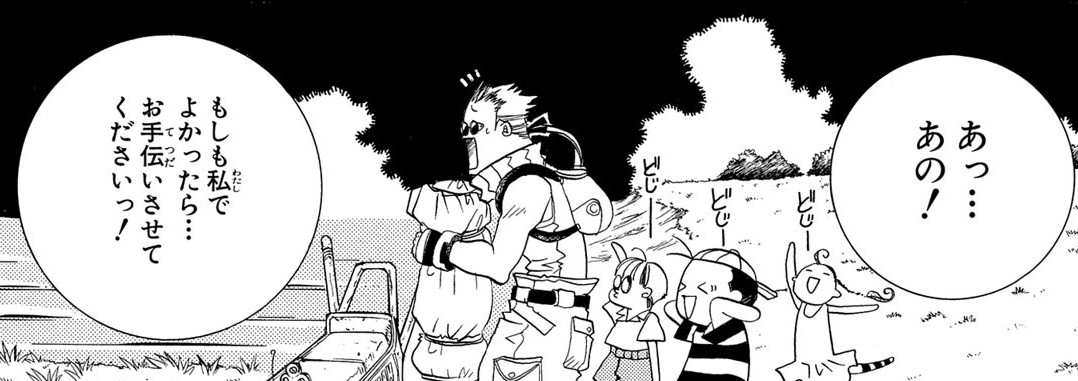
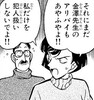
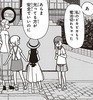
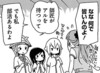
Akari meets Woody as he’s out on a delivery run. He’s in a spot of trouble because he’s lost his map, and there isn’t enough time for him to go back and get it. Akari is familiar with the city and realizes she can lend him her knowledge.
- 灯里:
- 「あっ… あの!」
- “Ah, um!”
- 「もしも私でよかったら… お手伝いさせてくさだいっ!」
- “If I would be okay... Please let me help you!”

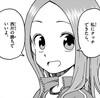

私達 (We)
私達 means “we” or “us”, a group that includes the speaker.
It combines 私 (I) with 達 (pluralizing suffix) to show the group that includes me.
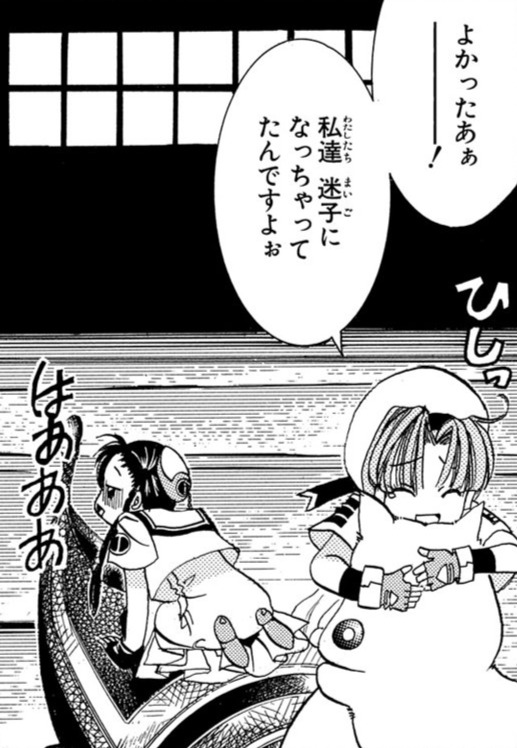
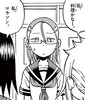
During training, Akari spots her company’s feline president, President Aria, sailing by in a small gondola. She instructs Aika to row the training gondola in the same direction, and the two follow him down an alley that’s normally gated from entry. The two lose sight of Aria and find themselves going in circles through flooded abandoned buildings. After some time, Aria’s gondola floats by.
- 灯里:
- 「よかったあぁーーーーー! 私達 迷子になっちゃってたんですよぉ」
- “Oh, thank goooodness! We had gotten completely lost, you know!”

Personal Life and Possessions
私服 (Plain clothes)
私服 means private clothes or plain clothes, especially what someone wears off duty instead of a uniform.
It combines 私 (private) with 服 (clothes) to show personal clothing.
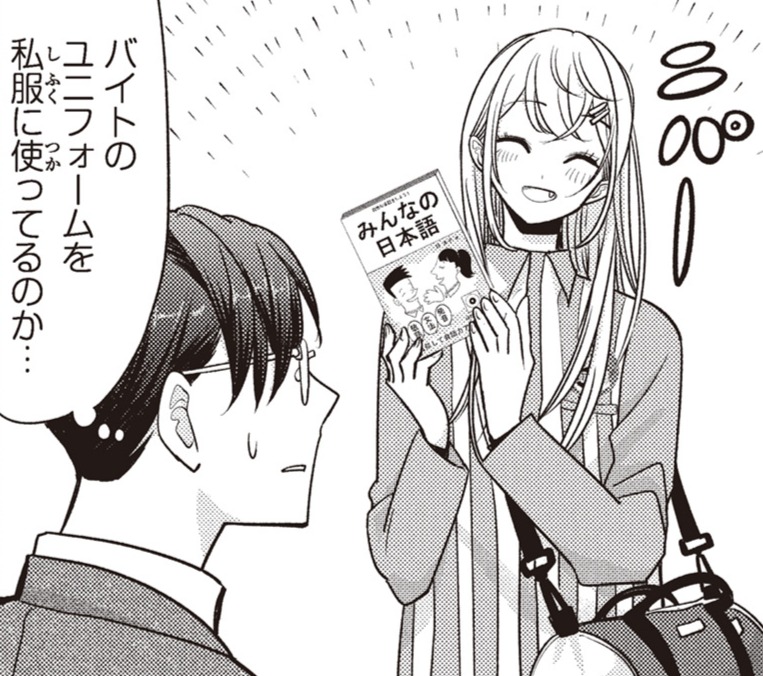
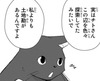
Kumada stops by the library to read up on bears, in hope of finding a solution to the bear living in his apartment. As he skims through some books, the foreigner who works at the local convenience store notices him.
- 熊田:
- 「バイトのユニフォームを私服に使ってるのか…」
- “She's using her part-time job uniform as her regular clothes, huh…”