Schools and checking with 校
校 has two meanings: “a place of education” and “to compare and correct”.
Etymology
This kanji isa phono-semantic compound comprised of 木 (wood) as the semantic component and 交 as the phonetic component (コウ).
Organizations and Institutions
学校 (School)
学校 means a school, where teachers provide organized instruction to students.
It combines 学 (study) with 校 (school building / institution) to show a place for learning.
Example 1 of 7: Being innocent at school with 猫を被る
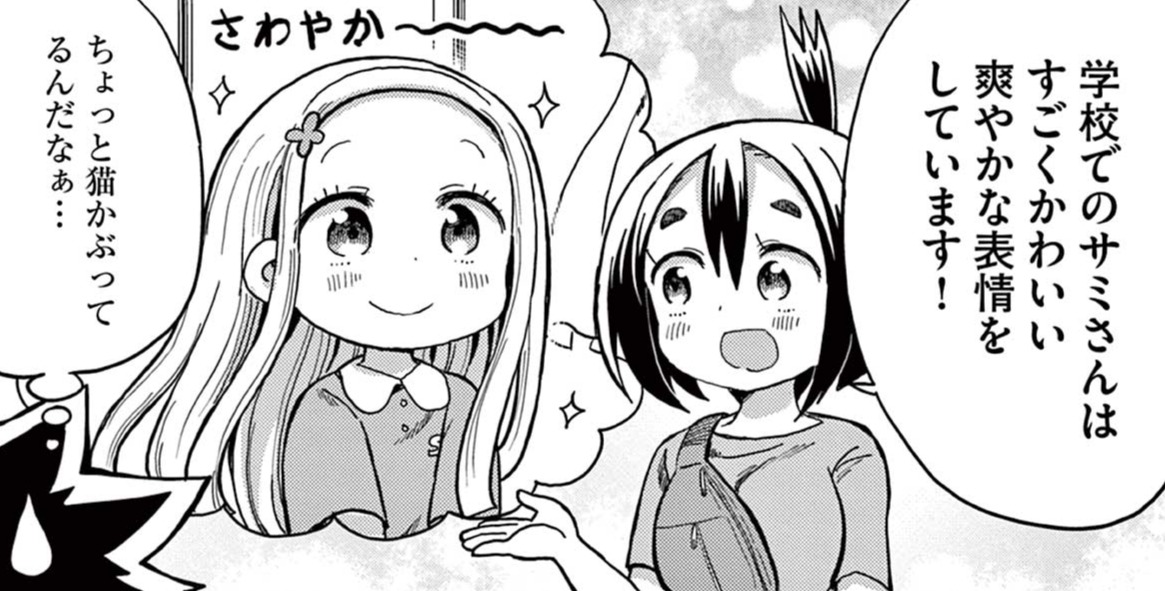
Sami and her father go to the park to play. There, they see Sami’s teacher. The teacher is surprised to see Sami’s rambunctious behavior, as it’s different from the Sami she sees at school.
- 先生:
- 「学校でのサミさんはすごくかわいい爽やかな表情をしています!」
- “At school, Sami has such a cute and delightful expression!”
- パパ:
- 「ちょっと猫かぶってるんだなぁ…」
- “She's just putting on a front, isn't she...”
Example 2 of 7: A loss of public order at school with 治安
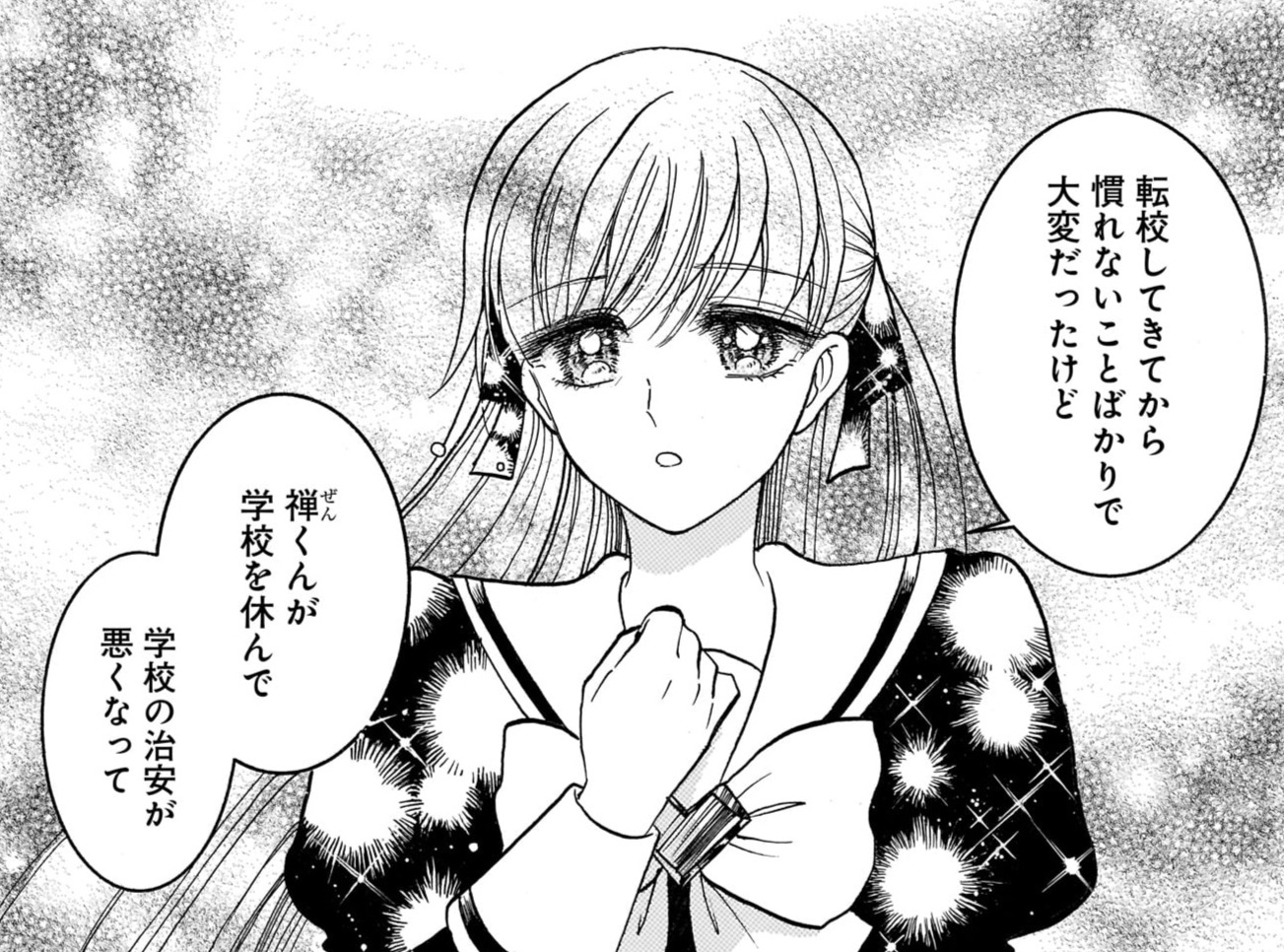
Following Zen’s absence from school for a while, fights and disobedience have taken over the school grounds. When Lulu learns Zen hasn’t been at home either during this time, she travels to the mountains in search of him. After finding him, she explains the situation at school.
- ルル:
- 「転校してきてから慣れないことばかりで大変だったけど禅くんが学校を休んで学校の治安が悪くなって」
- “Since I transferred to this school, everything has been unfamiliar and difficult, but ever since you've started missing school, the school's security has gotten worse...”
Example 3 of 7: Being strict with oneself and one's student with 心を鬼にする
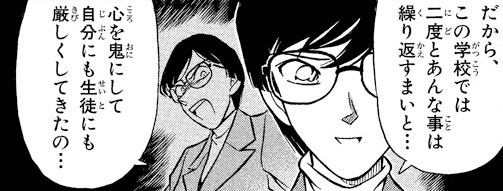
Conan’s classmates aren’t fond of their new teacher’s strict attitude. Ms. Kobayashi explains how at her last school, she couldn’t bring herself to be strict, and it allowed her students to get so out of control that students were injured in a fight.
- 小林:
- 「だから、この学校では二度とあんな事は繰り返すまいと…」
- “Therefore, to keep from repeating that kind of situation at this school...”
- 「心を鬼にして自分にも生徒にも厳しくしてきたの…」
- “I hardened my heart and became strict, with myself and with my students...”
Example 4 of 7: Call me Teacher with と呼べ
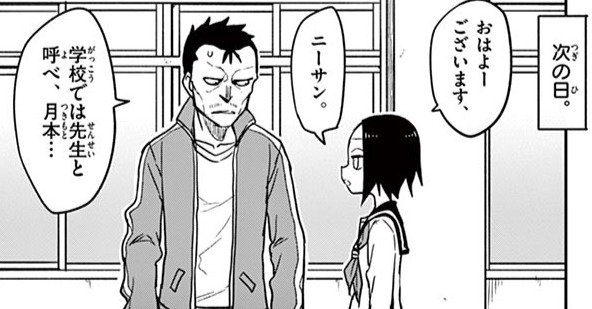
Sanae’s teacher, Mr. Tanabe, has proposed to her older sister, who is also a teacher at the school.
- 「次の日。」
- “The following day.”
- サナエ:
- 「おはよーございます、ニーサン。」
- “Good morning, Big Brother.”
- 田辺:
- 「学校では先生と呼べ、月本…」
- “Call me 'Teacher' at school, Tsukimoto.”
Example 5 of 7: Going to school together so as to not get lost with 〜ように

After Cocoa gets lost looking for her new school, she meets Chiya, who will be going to the same school as her.
- 千夜:
- 「ココアちゃんが迷わないように今から学校まで行きましょう」
- “Let's go from here to the school now so you won't get lost.”
- ココア:
- 「め 女神様!」
- “A-a goddess!”
Example 6 of 7: Kindrid spirits in drinking tea with 気が合う
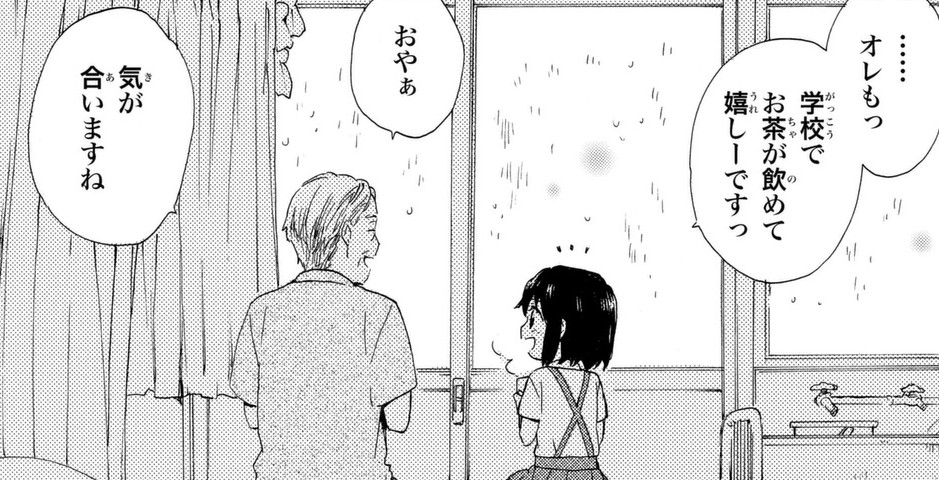
Hinata escorts a classmate to the school nurse. There, she meets an elderly man sipping tea. Seeing her interest, the old man offers her a cup.
- 日向:
- 「……オレもっ 学校でお茶が飲めて嬉しーですっ」
- “It also makes me happy when I can drink tea at school.”
- おじいさん:
- 「おやぁ 気が合いますね」
- “Oh, we're kindred spirits, huh?”
Example 7 of 7: Sometimes pretending to be someone else with 〜ことがある
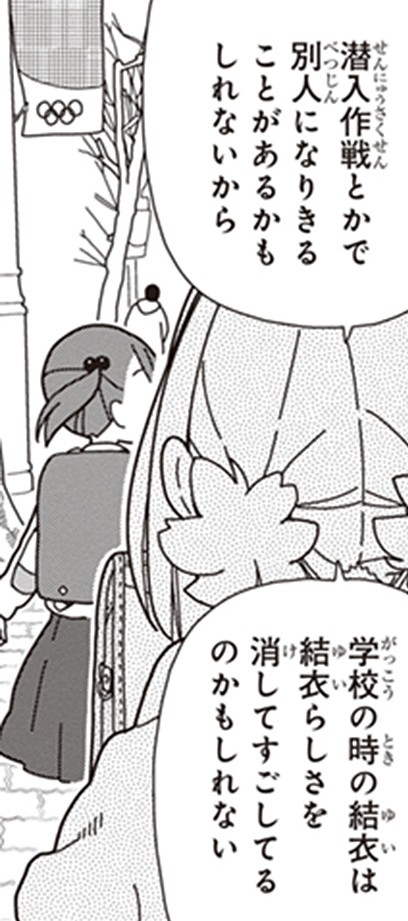
Sacchan and Kotoha notice Yui walking with a couple of her friends from school. The two decide to sneak and follow after them. Sacchan notices Yui doesn’t act quite the same with these friends as she does with Sacchan and Kotoha.
- さっちゃん:
- 「潜入作戦とかで別人になりきることがあるかもしれないから」
- “Maybe it's because she's in an undercover operation or something that she sometimes pretends to be a different person....”
- 「学校の時の結衣は結衣らしさを消してすごしてるのかもしれない」
- “...that Yui at school might be trying to hide her true self.”
転校 (Changing schools)
転校 means transferring from one school to another.
It combines 転 (transfer) with 校 (school) to show a transfer to a different school.
Following Zen’s absence from school for a while, fights and disobedience have taken over the school grounds. When Lulu learns Zen hasn’t been at home either during this time, she travels to the mountains in search of him. After finding him, she explains the situation at school.
- ルル:
- 「転校してきてから慣れないことばかりで大変だったけど禅くんが学校を休んで学校の治安が悪くなって」
- “Since I transferred to this school, everything has been unfamiliar and difficult, but ever since you've started missing school, the school's security has gotten worse...”
小学生 (Elementary school student)
小学生 means an elementary school student. In Japan, this usually means a child in grades 1 through 6.
It combines 小学 (elementary schooling) with 生 (student) to show a elementary school student.
Example 1 of 2: Experienced receiving a gold prize with 〜た+ことがある

Talking about drawing, Cocoa is boastful of her own ability.
- ココア:
- 「これでも金賞もらったことあるんだ」
- “Believe it or not, I've actually won a gold medal before.”
- リゼ:
- 「町内会の小学生低学年の部とかいうのはナシな」
- “And don't tell me it was in the neighborhood association's lower-elementary division.”
Example 2 of 2: It's not like I'm a grade-schooler with 〜じゃあるまいし
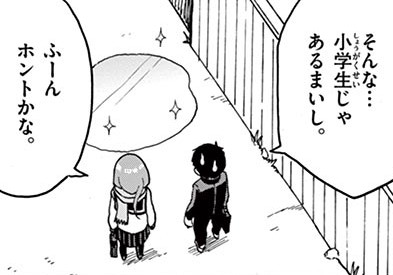
Seeing a frozen puddle on the ground, Nishikata is excited at the thought of picking it up and holding it. Takagi asks if this is what he’s thinking, and he quickly denies it.
- 西片:
- 「そんな… 小学生じゃあるまいし。」
- “It's not like I'm some kind of...grade-schooler.”
- 高木:
- 「ふーん。ホントかな。」
- “Hm, I wonder...”
小学校 (Elementary school)
小学校 means elementary school or primary school. The 小 here reflects the lower, earlier stage of schooling.
It combines 小 (small / elementary) with 学校 (school) to show an elementary-level school.
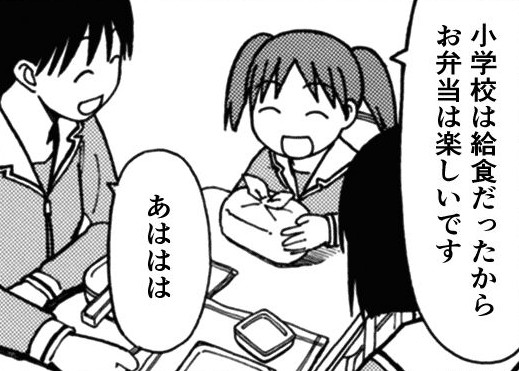
Chiyo is a child prodigy who’s skipped from elementary school to high school.
During her first day of class, Chiyo is invited by a couple of classmates to join them for lunch.
- ちよ:
- 「小学校は給食だったからお弁当は楽しいです」
- “Since we were provided lunches in elementary school, a boxed lunch is fun.”