After all this time with 今更
今更 marks something as belated: it is happening now, after the useful or expected time has passed. It often conveys regret, criticism, or futility.
It is frequently used in situations where someone is pointing out the futility of doing something late, such as:
- Apologizing after the damage is done.
- Starting to study right before an exam.
- Bringing up an issue long after it could have been resolved.
Example Sentences
-
今更謝っても遅いよ。
It’s too late to apologize now. -
今更勉強しても試験には間に合わない。
Even if you study now, you won’t make it in time for the exam. -
今更そんなことを言われても困る。
It’s troublesome for you to say that now.
Further Reading
- いまさら|日本語能力試験 (edewakaru.com)
Examples
By the way, who are you with 今更
Vocabulary Explanation: After all this time with 今更
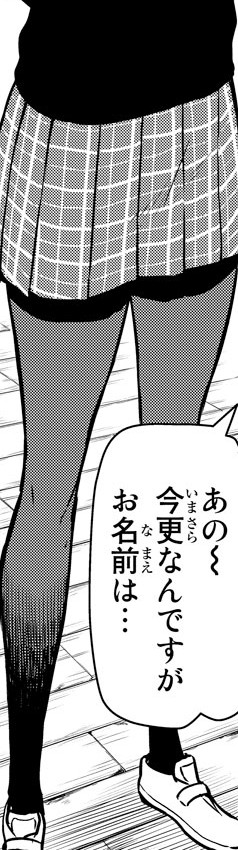
During class, Makoto hears her cat meowing over the school’s intercom. After retrieving her cat, Makoto is confronted by another student. The student, also a witch, verbally reprimands Makoto over the ordeal. A few minutes into their conversation, Makoto asks the girl a question.
- 真琴:
- 「あの~ 今更なんですがお名前は…」
- “Um... It's a bit late for this, but what's your name?”
It's too late to compliment my outfit with 今更
Vocabulary Explanation: After all this time with 今更
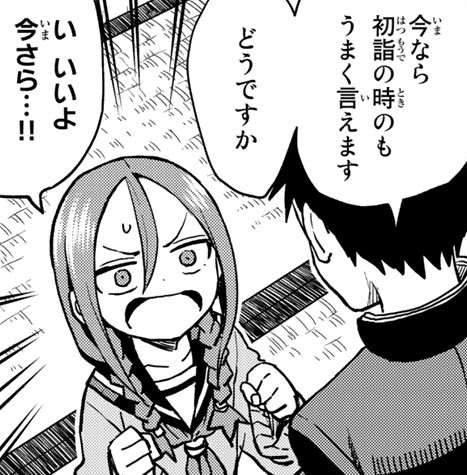
Ayumu heavily compliments Urushi on her looks wearing a sweater that’s a little too big. He quietly congratulates himself, and when Urushi questions him on it, Ayumu explains that he’s regretted his inability to find the words to compliment her outfit during their New Year’s shrine visit.
- 歩:
- 「今なら初詣の時のもうまく言えます。どうですか」
- “I can properly say it now for the New Year's shrine visit. How about it?”
- うるし:
- 「い いいよ。 今さら…!!」
- “It's okay. It's too late!”