Vocabulary in the Kansai dialect
Kansai speakers use regional words that manga writers use to establish a character as being from the area. This page introduces common examples, including あかん, the Kansai counterpart to ダメ for something unacceptable or no good.
Kansai dialect differs from standard Tokyo Japanese in pronunciation, grammar, and vocabulary. Manga often use recognizable Kansai words to establish where a character is from.
あかん is often used in place of ダメ. It carries the same meaning of “no” or “not good”.
Examples
Being at my limit is no good with あかん
Vocabulary Explanation: Vocabulary in the Kansai dialect
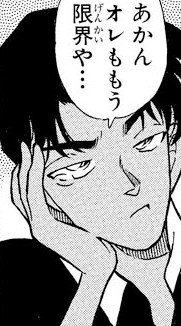
At a special event, the expected host doesn’t show for dinner. After finishing their meals, the guests continue to wait until past midnight. As most guests decide to retire to their rooms for the night, Heiji finds himself yawning.
- 平次:
- 「あかんオレももう限界や…」
- “No good, I'm also already at my limit...”
Following after is bad with あかん
Vocabulary Explanation: Vocabulary in the Kansai dialect
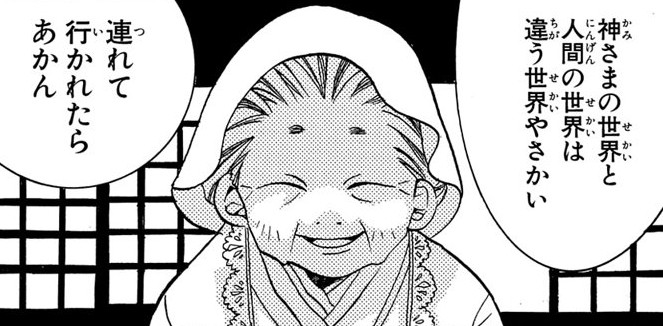
Alicia and Akari visit an island that’s modeled after part of Japan back on Earth. There, an elderly local woman tells the two of the fox spirits that visit the human world there. Akari is excited at the prospect of meeting one, but the old woman gives her a warning: on rare occasion, a fox will take a person back home with them.
- おばあさん:
- 「神さまの世界と人間の世界は違うやさかい」
- “The god world and the human world are different.”
- 「連れて行かれたらあかん」
- “Therefore, it is bad to follow along.”
Hurrying is no good with あかん
Vocabulary Explanation: Vocabulary in the Kansai dialect
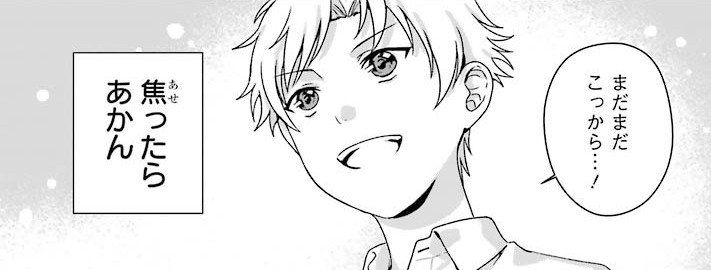
After transferring schools, Daigo tries to become friends with everyone. However, Makoto repeated ignores Daigo before finally saying not to talk to him. The other classmates tell Daigo not to bother with Makoto.
- 大五:
- 「まだまだこっから…!」
- “There's still a long way to go.”
- 「焦ったらあかん」
- “If I hurry it's no good.”