The reason or result with それで
Grammar: Conclusion » Seeking the result with それで
それで connects a previous fact to its consequence or explanation. It often translates as “so”, “and then”, or “because of that”.
When the listener is curious what happens next, or is prompting the speaker to continue, they may say それで, either alone or followed by a question.
Usage Notes
それで can point backward to a reason or forward to the next result in a story. In conversation, a standalone それで? means “and then?” or “so what happened?”
Do not confuse it with それでは, which can mean “well then” when moving to the next action or closing a topic.
English counterparts include:
- and so
- and then
- because of that
- so
- therefore
それで is composed of それ (“that”) and the particle で (indicating means or cause).
Examples
And so, we're lost with それで
Grammar Explanation: The reason or result with それで
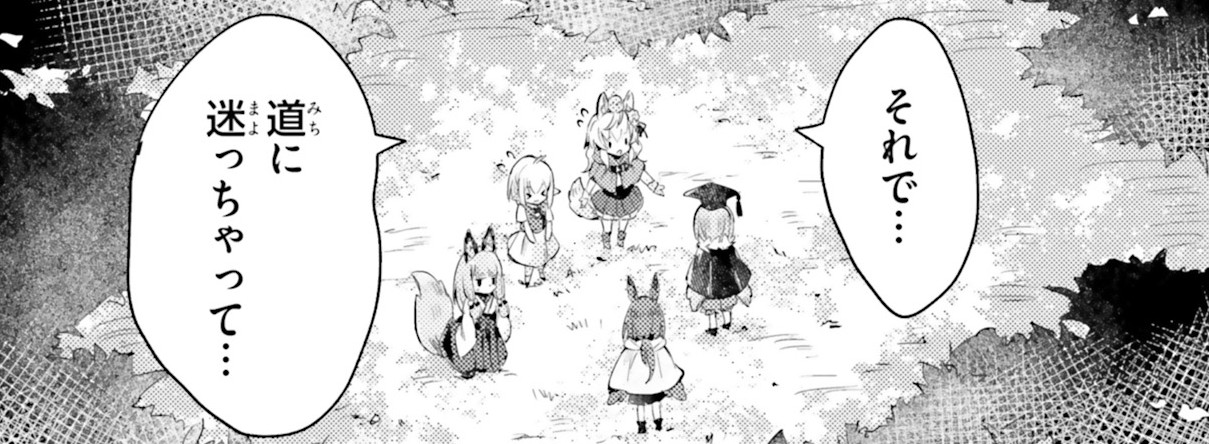
Wolf and her friends travel through the forest, seeking the location Turtle recommended to them. After going in circles for a bit, Wolf spots Owl and Horned Owl.
- オオカミ:
- 「それで… 道に迷っちゃって…」
- “And then, we got lost...”
And then, I got you something with それで
Grammar Explanation: The reason or result with それで
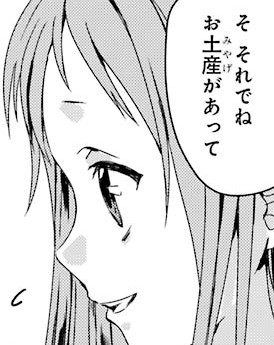
Kanami greets her brother when she gets home. She tells him she went shopping.
- 叶実:
- 「そ それでね お土産があって」
- “And—and then, you see... I got you something.”
So, which is which with それで
Grammar Explanation: The reason or result with それで
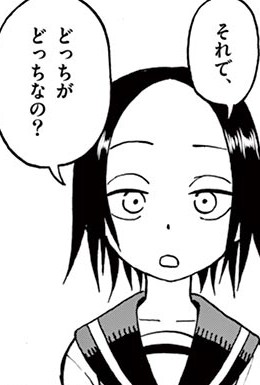
Mina tells Sanae that if you clasp your hands together, you can know whether you were a boy or a girl in a past life. When Mina interlocks her fingers, her left thumb is on top. For Sanae, it’s her right thumb. In the past, one was a boy, and the other was a girl.
- サナエ:
- 「それで、どっちがどっちなの?」
- “So, which is which?”