Daytime and noon with 昼
The kanji 昼 means daytime or noon, the bright middle part of the day.
Daytime Periods
昼間 (Daytime)
昼間 means daytime or the daylight hours.
It combines 昼 (daytime) with 間 (interval) to show the span of the day.
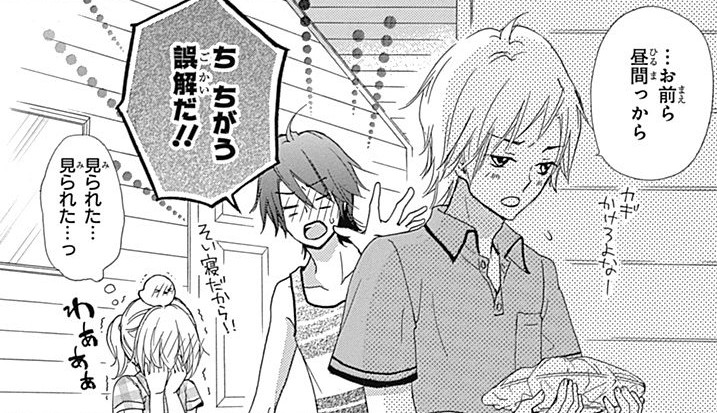
Since Hiyori is resting on a bed inside, Junpei takes a plate from the barbecue to her room. As he walks in, he finds Hiyori and Yuushin in what looks like a compromising position.
- 淳平:
- 「…お前ら昼間っから (カギかけるよなー)」
- “You guys, in the middle of the day… (At least lock the door!)”
- 結心:
- 「ち ちがう 誤解だ!!(そい寝だから!!)」
- “N—No! You've got it wrong!! (We were just lying down together!)”
- ひより:
- 「見られた… 見られた…っ」
- “We were seen… We were seen…!”
昼前 (Before noon)
昼前 means late morning or just before noon.
It combines 昼 (noon) with 前 (before) to show the time before midday.
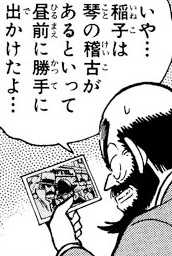
Hired to confirm whether a client’s wife is having an affair, Kogoro reveals a candid photo he took of the wife with another man. The client mentions he let his staff take a break so they wouldn’t know about Kogoro’s visit. Kogoro asks if that includes the client’s wife.
- 伝次郎:
- 「いや… 稲子は琴の稽古があるといって昼前に勝手に出かけたよ」
- “No... Ineko said she had a koto lesson and went out on her own before noon.”
Meals and Rest
昼寝 (Nap)
昼寝 means a daytime nap or siesta.
It combines 昼 (daytime) with 寝 (sleep) to show sleep taken during the day.
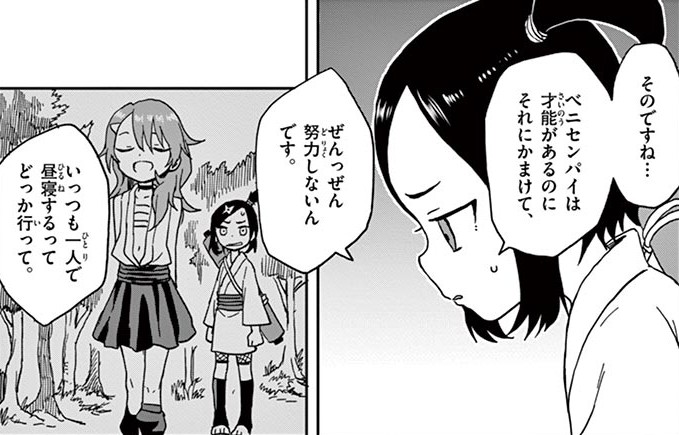
During a free day from training, Touwata and Mizubashou approach Tsubaki to request a favor. She would like Tsubaki to challenge Benisumomo to a one-on-one fight.
- トウワタ:
- 「そのですね… ベニセンパイは才能があるのにそれにかまけて、ぜんっぜん努力しないんです。」
- “Well, you see... Beni-senpai has talent, but she takes it for granted and doesn't put in any effort at all.”
- 「いっつも一人で昼寝するってどっか行って。」
- “She always go off somewhere to take a nap alone.”